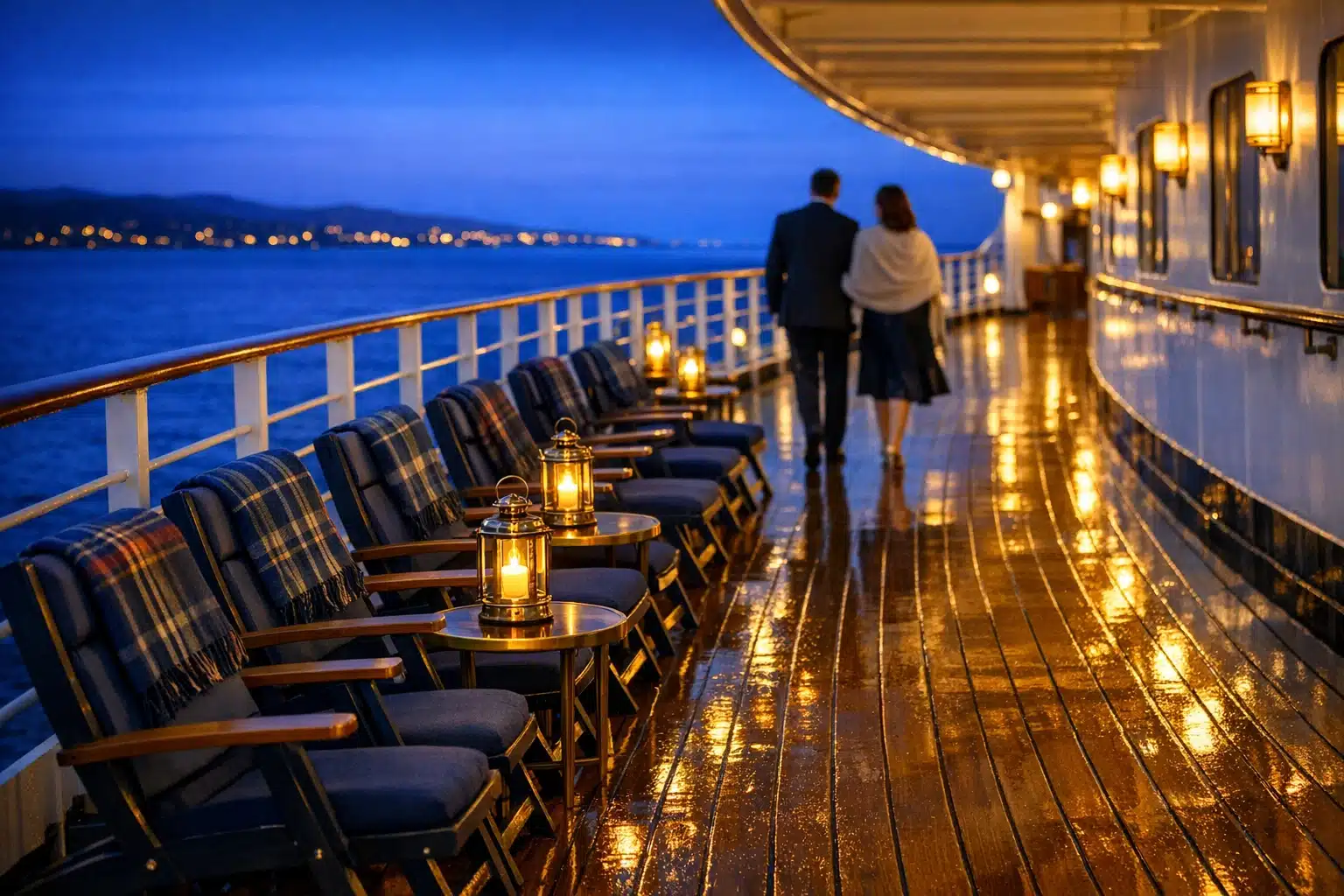
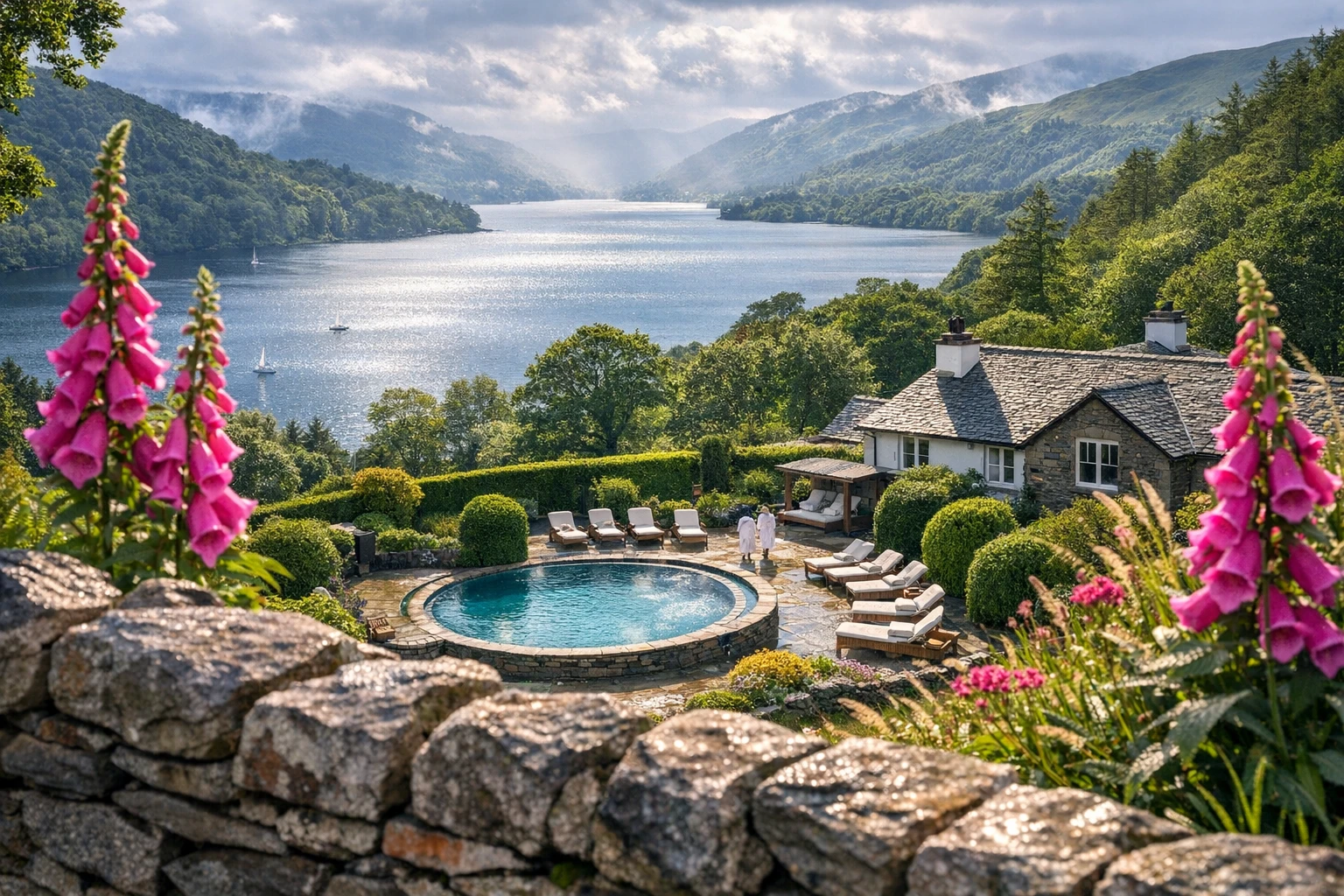
 Artificially generated image
 2-Night All-Inclusive Lake District Spa Retreat: What to Expect
A two-night spa retreat in the Lake District offers more than a pause from routine; it gives busy travelers a practical way to recover energy, enjoy quieter surroundings, and reset attention. In a region shaped by water, fells, and compact villages, relaxation feels grounded rather than staged, with treatment rooms, lakeside walks, and slower dining working together. This guide explains what these stays usually include, how to compare them, and which details matter before booking.
Article Outline
This article begins with the setting itself, because location is not just decoration in a wellness break; it shapes the mood, pace, and quality of the stay. It then moves to the structure of a typical two-night all-inclusive package, looking closely at meals, spa access, treatments, and the small details that affect value. After that, it maps out the guest experience from arrival to departure, showing how a short retreat can still feel spacious when time is used wisely. The fourth part compares retreat styles, price factors, and practical booking questions so travelers can choose with more confidence. The final section brings everything together with a summary aimed at the people most likely to benefit from this kind of escape.
- Why the Lake District works so well for spa-focused travel
- What is usually included in a two-night wellness package
- How to structure your stay for rest, scenery, and good meals
- Which retreat styles offer the best fit for different travelers
- Who should book this type of break, and what to expect from it
Why the Lake District Works So Well for a Wellness Escape
The Lake District is one of those places where the landscape does a surprising amount of the work before a spa therapist even enters the picture. England’s largest national park covers roughly 2,300 square kilometers, and its combination of lakes, valleys, wooded slopes, and stone-built villages creates an atmosphere that feels distinctly removed from urban rhythm. That matters because many people do not simply want luxury when they book a wellness retreat; they want contrast. A spa in a busy town can still be pleasant, but a spa surrounded by water, open sky, and a softer daily tempo often feels more complete.
There is also a practical reason the region suits short restorative breaks. A two-night trip is not long enough for long-haul travel stress, complicated itineraries, or constant transfers. The Lake District offers a strong sense of arrival without demanding a week of planning. Once there, guests can move between indoor comfort and outdoor calm with very little effort. A morning swim, a treatment at midday, a lakeside walk in the afternoon, and dinner with hill views in the evening create a sequence that feels full without becoming busy.
Environmental psychology has repeatedly suggested that time spent around green and blue spaces can support lower perceived stress and improved mood, even when the visit is brief. Results vary by person, of course, but the underlying idea makes intuitive sense. Water slows the eye. Distance softens noise. Fresh air encourages gentler movement. In the Lake District, these elements are not staged attractions; they are part of the ordinary backdrop.
Several features make the region particularly effective for spa-centered travel:
- Natural scenery that complements quiet, restorative activities
- Walkable areas suitable for low-pressure movement rather than intense exercise
- A strong hospitality tradition, with many properties built around comfort and dining
- Seasonal variety, from crisp winter weekends to long summer evenings
Perhaps the biggest advantage is balance. Some travelers want stillness, robes, and long thermal sessions. Others get restless if relaxation means sitting still all day. The Lake District comfortably supports both temperaments. You can spend hours in a hydrotherapy pool, or step outside for a short path along the shore, then return with cold cheeks and a clearer head. That ability to alternate between shelter and scenery is what makes a spa escape here feel less like a single activity and more like a well-composed experience.
What a Two-Night All-Inclusive Spa Retreat Usually Includes
The phrase all-inclusive can mean different things depending on the property, so it is worth looking beyond the headline. In the context of a UK spa retreat, the term usually refers to accommodation, breakfast each morning, dinner on one or both evenings, access to spa facilities, and at least one pre-booked treatment per guest. Drinks, premium menu items, extra therapies, and late check-out are often charged separately unless the package specifically says otherwise. The most satisfying bookings are rarely the ones with the grandest marketing line; they are the ones where the inclusions are explained clearly.
Many packages are built around a simple promise: Unwind with spa treatments, scenic views, and included dining on a relaxing two-night Lake District wellness getaway. That description captures the appeal, but the details decide whether the stay feels seamless or slightly frustrating. For example, one hotel may include full spa access from check-in to check-out, while another may offer a timed two-hour thermal session. One property may include a three-course dinner from the full restaurant menu, while another limits guests to a fixed allowance.
Typical package elements often include:
- Two nights in a standard or upgraded room
- Breakfast on both mornings
- Dinner on at least one evening, sometimes both
- A 25, 50, or 60-minute treatment per person
- Use of facilities such as a pool, sauna, steam room, and relaxation lounge
- Robe, slippers, and toiletries for the stay
There are also important variables to compare before paying. Treatment menus differ widely. Some packages include only a short facial or back massage, while others let guests choose from a broader list. Dining can be another major point of difference. A generous package may include breakfast, afternoon tea, and dinner, creating a smooth on-site experience. A more basic one may include breakfast only, which is perfectly fine for travelers who want to explore nearby restaurants.
Good value does not always mean the lowest price. A slightly higher package rate can be worthwhile if it reduces decision fatigue and on-site spending. Look closely at:
- Check-in and check-out times
- Whether spa access must be reserved in advance
- If treatments are guaranteed or subject to availability
- Any supplement for weekend dates
- Parking, service charges, and beverage exclusions
A well-designed retreat package should make the stay feel easier, not more complicated. The goal is to arrive with fewer choices to manage, not a fresh list of hidden costs to decode at reception.
How the Stay Usually Unfolds: From Arrival to Lake Time and Evening Dining
A two-night wellness retreat works best when the time is not packed too tightly. Forty-eight hours can feel remarkably generous if the structure is gentle. The first afternoon is usually about transition. You arrive carrying the pace of ordinary life with you: emails half-remembered, shoulders slightly raised, mind still ticking. The smartest move is not to rush into doing everything at once. Check in, change, and spend the first hour understanding the property. Where is the pool? Which lounge is quietest? Is there a terrace with a lake view? Small orientation creates a sense of ease.
The first evening often sets the tone. Many guests benefit from keeping it simple: light spa use, an early dinner, then a short walk before bed if the weather allows. In the Lake District, even a brief stroll can feel cinematic without being dramatic. A path by the water, the smell of rain on stone, distant hills fading into evening light; these details slow the mind more effectively than a packed agenda. If the property has outdoor hot tubs or a thermal suite with windows, twilight is often the most memorable time to use them.
The full day in the middle is where the retreat becomes most rewarding. A balanced schedule might look like this:
- Breakfast with enough time to sit, not just eat
- A morning treatment when the body is fresh and less rushed
- A light walk or lakeside coffee afterward instead of immediate activity
- An afternoon session in the pool, sauna, or relaxation room
- Dinner that feels like part of the experience rather than an afterthought
This pattern works because it alternates stimulation and calm. A massage loosens physical tension, but the effect fades if the next hour is noisy or hurried. A walk around a lake or through a village like Grasmere, Bowness, or Ambleside can extend the feeling of release without demanding too much energy. If rain arrives, as it often can, the retreat does not fail; it simply shifts mood. Mist over the water, a warm robe, a good meal, and an unhurried afternoon indoors can be just as satisfying as bright weather.
By the final morning, the most successful guests are usually the ones who resist turning departure day into a race. One last swim, one more quiet breakfast, a final look across the water from the lounge or car park, and then home. The purpose of a short spa stay is not to transform life completely. It is to create a noticeable pause, one that leaves you a little lighter, a little quieter, and more ready for what comes next.
Comparing Retreat Styles, Value, and Booking Details Before You Commit
Not every Lake District spa retreat delivers the same type of experience, even when the package titles sound similar. Some properties lean heavily into classic hotel comfort: plush rooms, formal dining, polished service, and a spa designed as an elegant extension of the accommodation. Others feel more contemporary, with larger thermal areas, brighter design, and a stronger focus on facilities than on old-world atmosphere. There are also country house hotels that prioritize scenery and calm over extensive spa menus, which can suit travelers who care more about the setting than the number of treatment rooms.
Choosing well starts with an honest picture of what you find restorative. Couples often prefer a property with strong dining, scenic lounges, and a polished evening atmosphere. Solo travelers may value quiet spaces, simple booking, and a schedule that does not make them feel conspicuous when dining alone. Friends on a weekend break may care more about shared facilities, flexible treatment times, and rooms that support conversation rather than total silence.
Price differences usually reflect several factors at once:
- Room category and view
- The number and length of included treatments
- Whether dinner is fixed-menu or allowance-based
- Access to premium facilities such as outdoor pools or private spa gardens
- Season, weekend demand, and school holiday timing
Weekend rates are commonly higher than midweek rates because demand is stronger, especially in scenic destinations. That does not mean weekend bookings are poor value, but it does mean travelers should compare the full package rather than the nightly rate alone. A more expensive stay may include both dinners, a better treatment list, and longer spa access. Conversely, a cheaper package may still be excellent if you plan to spend much of your time outdoors and only want a short therapy session.
Before booking, it helps to ask a few practical questions:
- Can treatment times be requested in advance?
- Are spa facilities adults-only at all times?
- Is the hotel walkable to a lake, village center, or trail?
- Are there supplements for popular treatments or upgraded rooms?
- What happens if one guest wants spa time and the other prefers outdoor activities?
The best retreat is rarely the one with the most dramatic brochure language. It is the one that matches your pace. If you want deep quiet, an adults-focused property with fewer guests may be worth the premium. If you want a lively break with scenic dining and a polished spa, a larger hotel may fit better. Value comes from alignment, not just discount. When the property, package, and purpose all match, a short stay can feel surprisingly complete.
Final Thoughts for Couples, Solo Guests, and Anyone Needing a Real Reset
A two-night spa retreat in the Lake District is best understood as a compact form of recovery rather than a grand reinvention. It suits people who feel stretched by work, constant notifications, commuting, or simply the mental clutter of everyday life. It also suits travelers who like comfort but do not want a city break built around queues, noise, and too many decisions. The combination of water views, treatment time, and included meals removes a surprising amount of friction from travel, which is often what tired people need most.
For couples, this kind of stay offers a useful balance between shared time and individual downtime. You can eat together, walk together, and still disappear for separate treatments or a solo hour in the relaxation lounge. For solo guests, the format can feel reassuring because the day already has shape. There is less pressure to invent an itinerary, and the setting itself provides enough atmosphere to make quiet time feel intentional rather than empty. Friends may enjoy it too, especially if they want conversation without the intensity of a packed social weekend.
The audience most likely to appreciate this retreat includes:
- Professionals who need a short but effective pause from work pressure
- Couples seeking a calm break rather than a heavily scheduled trip
- Solo travelers who want comfort, scenery, and a low-effort itinerary
- Anyone curious about wellness travel but not ready for a longer retreat
It may be less suitable for travelers who prefer nonstop sightseeing, late nights, or highly active adventure-focused weekends. There is room for walking and exploring, certainly, but the deeper value lies in slower rhythms. The meal lasts longer. The view matters more. The clock stops feeling quite so urgent. That is the real appeal.
If you book with clear expectations, a good two-night package can deliver exactly what many people hope for from modern travel: not more stimulation, but better quality time. Look for honest inclusions, thoughtful dining, flexible spa access, and a location that lets the landscape do its part. When those pieces come together, the Lake District becomes more than a backdrop. It becomes the quiet partner in the whole experience, helping you return home rested, clearer, and glad you went.