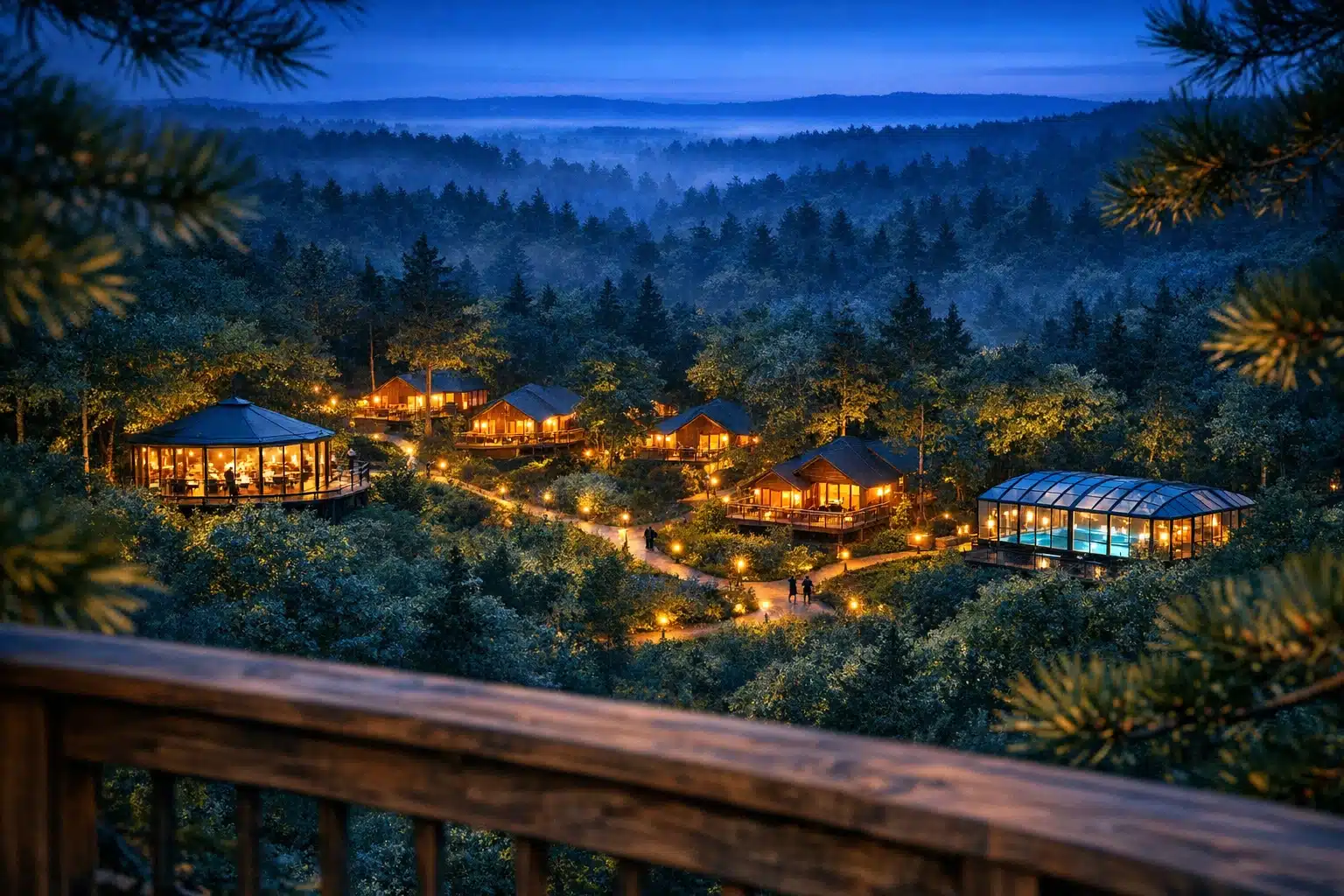
 Artificially generated image
 2-Night All-Inclusive Sherwood Forest Stay: Is It Worth It?
Short breaks work best when planning feels light and the experience feels full. A two-night stay in Sherwood Forest promises that balance by blending woodland calm with practical inclusions such as meals and on-site activities. For couples, families, and anyone tired of crowded schedules, the real question is not only what is covered, but whether the package delivers genuine value. This guide explores the setting, the convenience, the trade-offs, and the travellers most likely to enjoy it.
Outline and First Impressions: What This Stay Is Really Offering
Before judging whether a two-night Sherwood Forest package is worth booking, it helps to set out a clear outline of what matters most. This article looks at four connected ideas: the appeal of a forest retreat, the practical meaning of an inclusive escape, the value of a short weekend format, and the type of guest who is most likely to leave satisfied. That structure matters because short breaks are often bought on mood alone. A pretty photograph of tall pines, a warm pool, and a lodge terrace can create instant appeal, yet the actual experience depends on details such as meal quality, activity access, travel time, and whether the schedule feels effortless or overly managed.
At first glance, the concept is easy to understand. You leave daily routine behind, arrive in a wooded setting with plenty of space, and spend two nights without constantly checking receipts, maps, or restaurant reservations. That promise has become more attractive in recent years as many travellers place higher value on simplicity than on squeezing ten attractions into one trip. In other words, a weekend break is no longer only about seeing somewhere new; it is also about reducing friction. When accommodation, food, and selected activities are bundled together, the holiday starts to function less like a puzzle and more like a pause.
Enjoy a relaxing Sherwood Forest getaway with meals, activities, and nature-inspired experiences bundled into one easy stay.
That sentence captures the package logic neatly, but it also raises the question behind this whole review: does convenience translate into value, or does it simply repackage ordinary costs in a more attractive way? The answer depends on expectations. If you want total freedom, a fixed-format stay may feel limiting. If you want a short escape with very little planning and a strong sense of place, the formula becomes much more convincing. Sherwood Forest is especially suitable for this sort of break because the landscape itself does part of the work. The trees, walking routes, and slower atmosphere create an experience that already feels separate from urban routine. The sections that follow unpack each part of that promise in more detail, so the final verdict is based on substance rather than brochure language.
Forest Retreat: Why the Setting Does More Than Provide Scenery
A forest break succeeds or fails first on atmosphere, and Sherwood Forest has a natural advantage there. Even before any meal or activity is added, woodland settings create a different rhythm from town hotels or motorway-stop overnights. Arrival is part of the appeal: roads narrow, buildings thin out, and the visual noise of everyday life gives way to trunks, open sky, and the textured quiet that only trees seem to produce. That sensory change matters because it shapes how quickly people feel they have actually gone away. In a city break, stimulation comes from movement and variety. In a forest retreat, the reward is often the opposite: fewer decisions, fewer interruptions, and enough space for conversation, rest, and unhurried walks.
There is also a practical reason wooded destinations remain popular for short stays. Research on green spaces regularly links time spent in natural environments with lower perceived stress, improved mood, and better mental refreshment after periods of work intensity. A two-night stay is not a miracle cure, and it should not be marketed as one, but it can create a noticeable reset simply because the environment removes some of the pressure people carry into a weekend. Morning coffee feels slower on a deck facing trees than beside traffic. A walk after dinner becomes an activity in itself rather than a way to reach the next venue. For families, children often respond well to open outdoor settings because they can move more freely than they can in tightly programmed urban spaces.
Sherwood Forest also offers something many rural destinations lack: cultural resonance. The landscape carries stories, legends, and a strong sense of identity connected with Robin Hood folklore, old oaks, and English woodland heritage. That does not mean every visitor is there for history, but it adds depth to the setting. A beach resort sells exposure and energy. A standard countryside hotel sells quiet. Sherwood, at its best, offers quiet with character. Seasonal changes add another layer. Spring brings fresh green growth, summer supports longer daylight and easier family schedules, autumn turns the stay atmospheric and photogenic, while winter can make indoor facilities and bundled meals feel especially valuable. The retreat, then, is not just about being in the forest; it is about letting the forest become part of the experience rather than a backdrop glimpsed between appointments.
Inclusive Escape: What “All-Inclusive” Means in Practice
The phrase “all-inclusive” can mean very different things depending on the property, so it is worth slowing down and examining what travellers are actually paying for. In a classic beach-resort model, all-inclusive often suggests nearly unlimited food and drink with little need to spend extra. In a woodland resort or lodge-based stay, the structure is usually more selective. The value may come from a combination of accommodation, a set number of meals, access to certain facilities, and a menu of activities that are either included outright or available at reduced rates. That distinction is important because guests who arrive expecting endless extras may judge the stay harshly, while guests who understand the package design are more likely to appreciate the convenience it offers.
For many visitors, the biggest advantage is not abundance but clarity. You know where you are sleeping, where you are eating, and how the day can unfold without much logistical effort. That has real appeal for parents travelling with children, couples seeking a low-stress anniversary break, and groups that would rather spend time together than negotiate every detail. A self-catered cottage may look cheaper on paper, yet once groceries, restaurant bookings, cleaning expectations, travel between activities, and spontaneous spending are added, the difference can narrow quickly. Likewise, a normal hotel stay often separates every element into individual charges, which creates flexibility but also more decision-making.
A useful way to judge an inclusive forest break is to ask what friction it removes. Typical benefits may include:
• one booking instead of several separate reservations
• on-site dining that reduces the need to drive elsewhere
• activity access within walking distance of the accommodation
• easier budgeting before departure
• a smoother rhythm for mixed-age groups
There are, however, limits worth noting. Drinks packages may be narrower than expected. Premium activities may still cost extra. Dining times may be fixed. Choice can be curated rather than extensive. None of that is inherently negative, but it shows why “inclusive” is best understood as simplified planning rather than unlimited indulgence. When assessed on those terms, the format becomes attractive. It helps guests exchange administrative effort for usable leisure time, and on a two-night break, that trade can make a bigger difference than people expect.
Weekend Value: Is Two Nights Long Enough to Feel Worthwhile?
The strongest challenge facing any two-night break is simple: can such a short trip justify its cost once travel, unpacking, and check-out are factored in? In some destinations, the answer is uncertain. If long queues, complex itineraries, or off-site meals dominate the schedule, a weekend can feel expensive and strangely rushed. Sherwood Forest works better than many alternatives because the package format compresses the effort required to enjoy the stay. When dining, activities, and relaxation spaces are concentrated in one place, the hours between arrival and departure become more usable. That makes a short stay feel fuller without becoming hectic.
Value should also be measured against realistic alternatives. Imagine booking a rural hotel independently, then adding breakfast, evening meals, family-friendly activities, parking, and perhaps a swimming session or bike hire. Even without luxury extras, costs can stack up quickly, especially for households rather than solo travellers. A bundled package is not automatically cheaper in every case, but it can be more efficient because it protects the guest from constant incremental spending. People often underestimate how much peace of mind contributes to perceived value. Knowing a large share of the weekend has already been paid for changes behaviour; guests are more likely to settle in and enjoy the place rather than second-guess every purchase.
That said, the package only feels worthwhile if the guest uses what is included. Someone who arrives late, skips the activities, eats off-site, and treats the lodge only as a bed for the night may not capture much value at all. The format rewards participation. To get the most from two nights, it helps to think in patterns:
• arrive early enough on day one to enjoy the setting
• book at least one activity that gives the break a memorable centre
• leave breathing room instead of trying to fill every hour
• use the final morning for a walk or relaxed breakfast rather than a hurried exit
In practical terms, two nights is often ideal for people who need a reset more than a grand adventure. It is long enough to create contrast with normal life, yet short enough to fit around work, school, and other commitments. When the package is chosen for convenience rather than for bragging rights, the weekend can deliver very solid value.
Conclusion: Who Will Get the Most from This Sherwood Forest Escape?
For the right traveller, a two-night all-inclusive stay in Sherwood Forest makes strong sense. It is especially well suited to people who want a break that starts working almost immediately after check-in. Couples often value the atmosphere, the low-pressure structure, and the ability to alternate between activity and stillness without complicated planning. Families benefit from the same simplicity for different reasons: fewer transport decisions, easier meal management, and a setting where children can feel the weekend is an event rather than just a change of bedroom. Even multi-generational groups may find the format helpful because it balances private downtime with shared experiences.
The offer is less compelling for travellers who prioritise total spontaneity, gourmet dining variety, or deep exploration of a wider region. If your ideal trip involves driving out to multiple villages, chasing independent restaurants, and building each day minute by minute, a packaged stay may feel too contained. Likewise, guests who view “all-inclusive” as a promise of limitless extras should read the details carefully. The best way to avoid disappointment is to match the trip to its real strength: convenience in a characterful natural setting.
The clearest audience can be summed up like this:
• busy professionals who need recovery more than novelty
• parents wanting a manageable mini-break with built-in structure
• couples looking for a cosy weekend without urban noise
• travellers who prefer one smart booking over five separate ones
So, is it worth it? In many cases, yes, provided you value ease, atmosphere, and time together more than maximum freedom. Sherwood Forest gives the weekend a storybook setting, while the inclusive format reduces the small frictions that often drain short holidays. For readers considering a brief escape that feels calmer than a city break and less work than a self-planned countryside trip, this kind of stay can be a sensible and genuinely enjoyable choice. The best value lies not only in what is included on paper, but in how smoothly those inclusions turn a short window of time into a proper pause.