3 Night All Inclusive Edinburgh City Break: What to Expect
Edinburgh works especially well for a three-night city break because its historic core is compact, walkable, and packed with landmarks, restaurants, and dramatic views. For travellers who want structure without losing the pleasure of wandering, an all-inclusive package can remove much of the planning friction. The real trick is knowing what those packages actually cover, since city-break inclusions are often narrower than resort deals. Understanding that difference helps you budget properly and enjoy the trip with fewer surprises.
Outline:
1. What an all-inclusive Edinburgh city break usually includes
2. How neighbourhood and hotel style shape the experience
3. A realistic three-night itinerary for first-time visitors
4. Costs, comparisons, and the small print worth checking
5. Who this type of break suits best, plus final planning advice
What “All Inclusive” Usually Means in Edinburgh
The phrase “all inclusive” can create very different expectations depending on the destination. In a classic beach resort, travellers often imagine unlimited meals, drinks throughout the day, poolside snacks, entertainment, and little need to spend extra once they arrive. Edinburgh is different. Here, an all-inclusive city break usually means a bundled package built around convenience rather than constant on-site consumption. The core inclusion is almost always three nights of accommodation, and many packages add breakfast each morning. Some also include one or more evening meals, a dining allowance, a drinks package, airport or rail transfers, or entry to selected attractions. That sounds simple, but the details matter.
In practical terms, Edinburgh city-break packages often fall into three broad models. The first is a hotel-led offer, where the price covers your room, daily breakfast, and perhaps dinner on one night. The second is a transport-plus-stay package, commonly pairing hotel nights with rail tickets or flights from major UK or European cities. The third is an experience bundle, which might include sightseeing passes, guided tours, or tickets for local attractions. None of these formats is better in every case; the right option depends on how independently you like to travel and how much structure you want built into the trip.
It helps to think of Edinburgh as a place where time-saving can be just as valuable as money-saving. The city centre is relatively compact, and many first-time visitors spend most of their time between the Royal Mile, Princes Street, Grassmarket, and the castle area. Because so much sits close together, a package that sorts your hotel, breakfasts, and one or two key bookings can remove a surprising amount of stress. You spend less time comparing menus or queueing for last-minute attractions and more time hearing bagpipes drift along old closes or watching the skyline turn gold at dusk.
Still, no traveller should assume every cost disappears. It is common for the following items to vary by package:
- Lunches and snacks during sightseeing days
- Premium drinks, cocktails, or minibar items
- Entry to major attractions such as Edinburgh Castle
- Airport transfers or local transport cards
- Room upgrades and late check-out options
One useful benchmark is this: if a package headline sounds unusually generous, read the meal and drinks terms line by line. A “dinner included” offer may refer to a set menu, a limited credit, or dining only on selected nights. That is not a problem in itself; it simply changes how you budget. For a short urban trip, an all-inclusive package is best understood as a well-organised framework. It gives shape to your stay, but it rarely replaces the need for a little independent spending.
Choosing the Right Area and Hotel Style for a Three-Night Stay
Where you stay in Edinburgh has a direct effect on the rhythm of the trip. A package can look excellent on paper, yet feel less satisfying if the hotel sits too far from the places you actually want to explore. Because this is a three-night break, location deserves almost as much attention as price. You are not settling into one property for a week; you are trying to maximise a short window without turning every day into a logistics exercise.
The Old Town is the obvious choice for travellers who want a cinematic first impression. This is the Edinburgh of steep lanes, medieval closes, stone façades, and landmark-heavy walks. Staying here places you close to the Royal Mile, St Giles’ Cathedral, the National Museum of Scotland, and the castle district. The trade-off is that some streets are hilly, pavements can be uneven, and hotels in the most atmospheric spots may have smaller rooms or more street noise. If your ideal city break involves stepping outside and instantly feeling the historic pulse of the place, Old Town has real appeal.
New Town offers a different mood. It is elegant, more spacious in layout, and often feels easier if you prefer wider streets, classic architecture, shopping access, and smoother walking routes. Princes Street, George Street, and nearby gardens give this area a polished, central base. Many mid-range and upper-mid-range packages lean toward New Town because the hotel stock works well for short stays: modern comforts, lifts, larger rooms, and predictable service standards. For couples seeking a comfortable balance between sightseeing and evening dining, this part of the city often delivers.
Other areas can be strong value choices. Haymarket and the West End can be practical for rail arrivals, business-style hotels, and slightly better rates while still keeping the centre within reach. Leith offers a more contemporary, waterfront feel and can suit returning visitors who want food-led evenings and a change from the busiest tourist lanes. The key is to match the neighbourhood to your habits rather than your assumptions.
- Choose Old Town if history and atmosphere matter most.
- Choose New Town if comfort, shopping, and central convenience rank higher.
- Choose Haymarket or West End if transport links and value are priorities.
- Choose Leith if you want a more local dining scene and a less traditional base.
Hotel style also changes what “all inclusive” feels like. A boutique hotel may offer a more memorable dining room and character-led stay, but fewer extras. A larger chain-style property may include breakfast, bar credit, and flexible check-in options more consistently. Families may appreciate reliable room layouts and easy lift access, while couples on a celebratory break may prefer a smaller hotel with a stronger sense of place. In Edinburgh, the smartest package is not always the fanciest one. It is the one that aligns location, comfort, and included meals with the way you naturally travel.
A Realistic Three-Night Edinburgh Itinerary
The best three-night Edinburgh break has shape without feeling overpacked. This is a city that rewards both planning and drift. One moment you are standing at a major landmark, and ten minutes later you are peering into a hidden courtyard or discovering a quiet view that never made it into the brochure. A good all-inclusive package should support that rhythm rather than flatten it.
Night one is usually about arrival, orientation, and settling into the city’s atmosphere. If your package includes transfers, the journey in from the airport or station should be straightforward; if not, Edinburgh’s airport tram and bus links are generally simple for central stays. After check-in, a sensible first evening might involve a short walk through the nearby district instead of trying to tackle the major sights immediately. Many packages include dinner on the first night, and that can be a real advantage after travel. You avoid the tired debate over where to eat and begin the trip with a calmer pace. A short loop around Princes Street Gardens, the Grassmarket, or the lower Royal Mile often gives enough of a first glimpse to make the city feel familiar by bedtime.
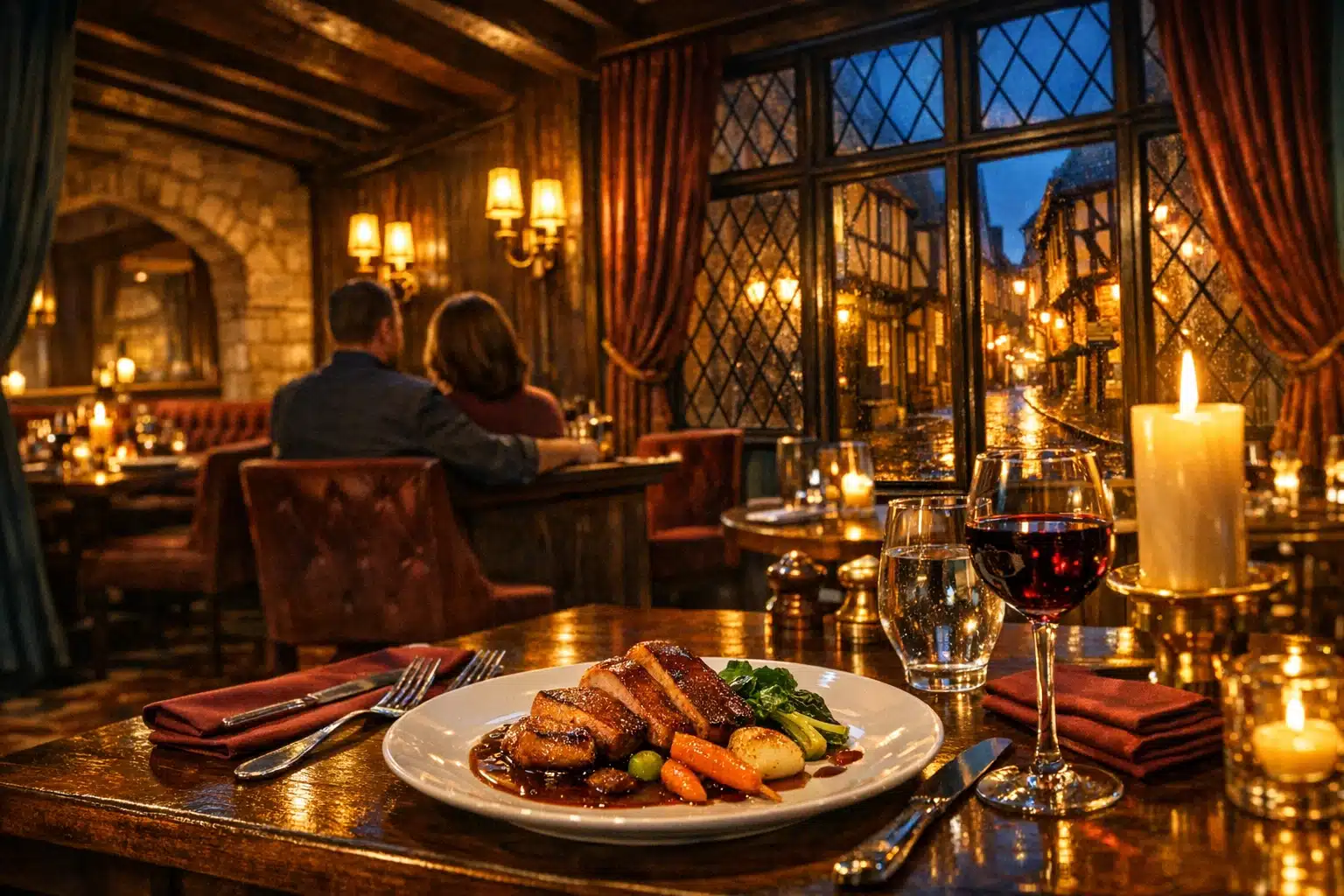
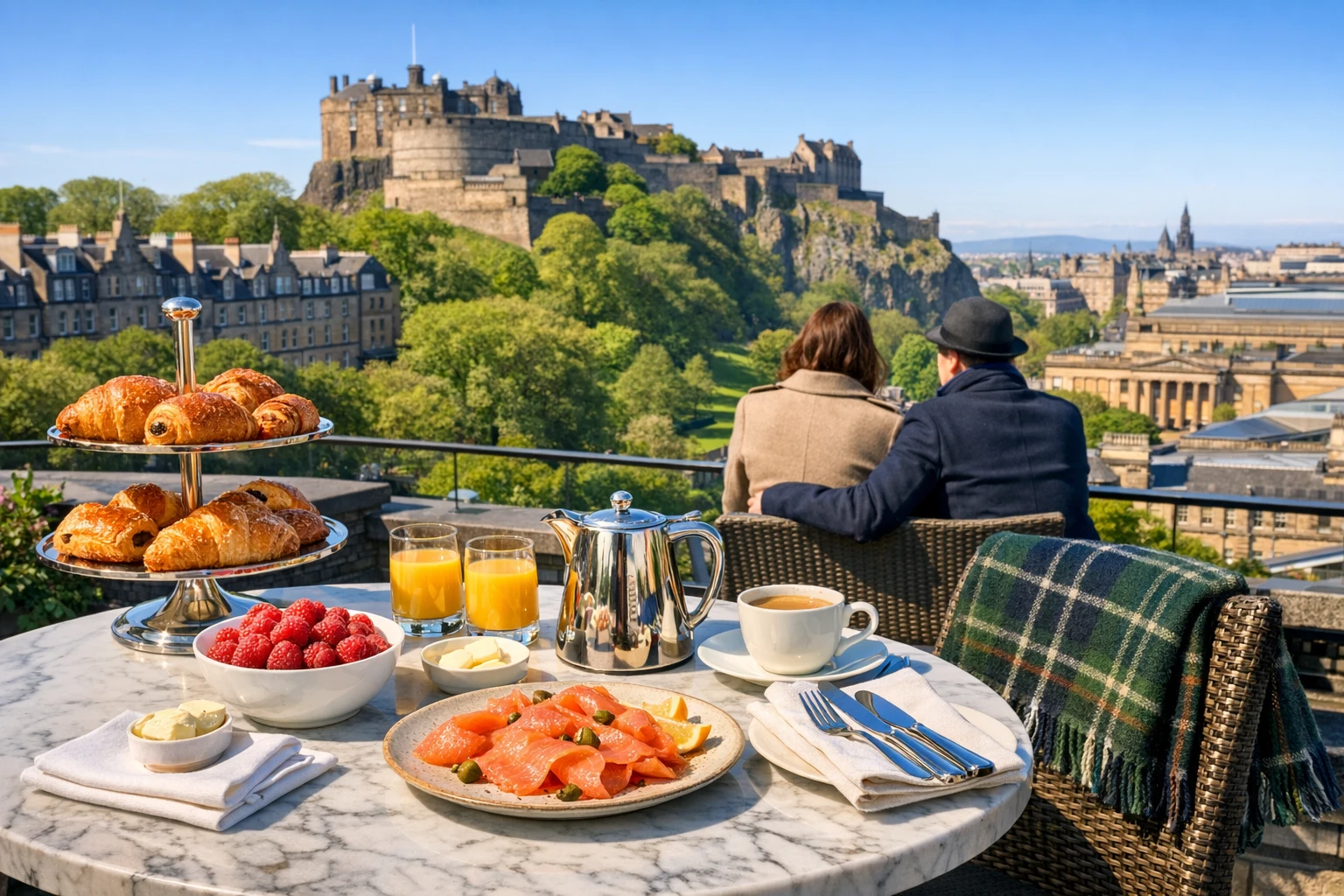
Your first full day is the natural point for the classic Edinburgh experience. For many travellers, that means Edinburgh Castle, the Royal Mile, St Giles’ Cathedral, and one of the major museums. These sights fit together well geographically, but it is easy to underestimate how much time the hills, crowds, and old streets can add. A package that includes attraction entry can save both money and time here, particularly in busier months. If it does not, booking headline attractions in advance is still wise. The evening works well as your more atmospheric dinner slot, perhaps with a view, a traditional dining room, or a live-music venue nearby.
The second full day gives you a choice between contrast and depth. You can go outward to Dean Village, Stockbridge, or Leith for a less tourist-heavy perspective, or stay central and explore galleries, literary sites, whisky experiences, or a longer museum session. If the weather is kind, Arthur’s Seat or Calton Hill adds a scenic high point. If the sky turns properly Scottish, indoor options remain strong, which is one reason Edinburgh works so well for short breaks in all seasons.
On the third night, most visitors appreciate a slower finish. That might mean a final included meal, a theatre performance, a ghost tour, or simply one last walk through illuminated streets that seem to hold centuries in the stone. By departure morning, the city should feel navigable rather than overwhelming. Three nights is not enough to “do” everything, but it is enough to experience Edinburgh in a way that feels complete, provided your package supports the pace instead of competing with it.
Price, Value, and the Fine Print That Can Change the Deal
One of the biggest reasons travellers consider an all-inclusive Edinburgh city break is cost control. That makes sense, but value in this context should not be measured only by the headline price. For a short urban trip, the strongest package may not be the cheapest one; it may be the one that bundles the items you were almost certain to buy anyway. Breakfast each morning, a well-located hotel, and one included dinner can already remove a meaningful chunk of decision-making and daily spending.
Season plays a major role in Edinburgh pricing. Late spring and early autumn often offer a useful balance of decent weather, manageable crowds, and rates that are more stable than peak festival periods. August is famous for its festivals and high demand, and prices commonly rise sharply across accommodation categories. Late December, particularly around Hogmanay, can also become expensive. In quieter months, mid-range central hotels may feel far more attainable, and package deals often look stronger because suppliers have more room to compete.
As a general guide, travellers comparing options may find that a three-night Edinburgh package varies widely based on transport, star rating, and timing. A modest off-peak package with breakfast might sit in a relatively accessible range, while a four-star city-centre stay with rail or air included can move much higher. Add festival dates, premium rooms, or multiple attraction tickets, and the total climbs again. That does not mean packages stop being worthwhile; it means you need to compare like with like.
When judging value, check four areas carefully:
- Meal structure: Is dinner a full meal, a set menu, or a limited credit?
- Transport: Are flights or rail included, and do luggage rules change the real cost?
- Attractions: Are entries bundled, discounted, or merely suggested extras?
- Location: How much time and local transport spending will you save by staying central?
A do-it-yourself booking can be cheaper for highly flexible travellers, especially those happy to hunt for deals, eat casually, and travel with minimal baggage. On the other hand, a package can outperform separate bookings when demand is high or when you value simplicity. It also reduces the friction of coordinating hotel dates, arrival times, and dining plans. The small print deserves special care because the phrase “all inclusive” may cover some, but not all, of the following: drinks, afternoon tea, transfers, room upgrades, attraction passes, and cancellation terms.
Think of the package as a balance between money, time, and certainty. If the price is slightly above a self-planned version but removes several bookings and fixes your main daily costs, that difference may be entirely reasonable. A smart Edinburgh deal is not the one with the loudest headline. It is the one whose inclusions match your actual behaviour once you arrive.
Who This Break Suits Best and the Final Verdict for Travellers
A three-night all-inclusive Edinburgh city break suits a very specific type of traveller, and that is good news because it makes the decision clearer. If you enjoy short trips that feel organised, scenic, and culturally rich without requiring minute-by-minute planning, this format can work extremely well. Edinburgh is compact enough to reward a structured stay, yet varied enough that the trip never feels boxed in. You can eat a hotel breakfast, spend the day among landmarks and museums, then return to a booked dinner or included evening experience without constantly checking maps, menus, and ticket platforms.
This kind of break often works best for first-time visitors. The city has enough headline attractions that a package can remove early uncertainty and give shape to the stay. Couples looking for a romantic but practical getaway also tend to like it, especially when the hotel is central and one or two meals are covered. Friends on a weekend escape may appreciate the ease of shared planning, while solo travellers can benefit from having the major basics settled in advance. For older visitors or anyone who prefers less travel friction, the convenience factor becomes even more valuable.
It may be less suitable for travellers who prefer complete spontaneity. If your ideal city break means choosing every café on instinct, staying out late in different districts, or taking unplanned day trips beyond the city, a room-only or breakfast-only arrangement could feel freer. Food-focused travellers may also prefer to avoid packages with fixed evening meals if they want to chase specific restaurants. In other words, all-inclusive is not automatically better; it is better only when it supports the style of trip you want to have.
Before booking, keep a few practical points in mind:
- Pack for changing weather, even in warmer months.
- Check walking distances and gradients around the hotel area.
- Look for flexible cancellation if your dates are far ahead.
- Read the dining terms with care, especially for arrival-night meals.
- Consider shoulder-season travel for a calmer and often better-value stay.
For the right traveller, Edinburgh is an excellent match for three nights. It offers heritage, scenery, food, and atmosphere in a concentrated form that rewards a short visit. An all-inclusive package will not turn the city into a resort, nor should it. Its purpose is more subtle than that: to clear away some of the booking clutter so the city itself can take centre stage. If you want a polished, manageable escape with enough structure to feel easy and enough freedom to feel alive, this type of break is well worth considering.