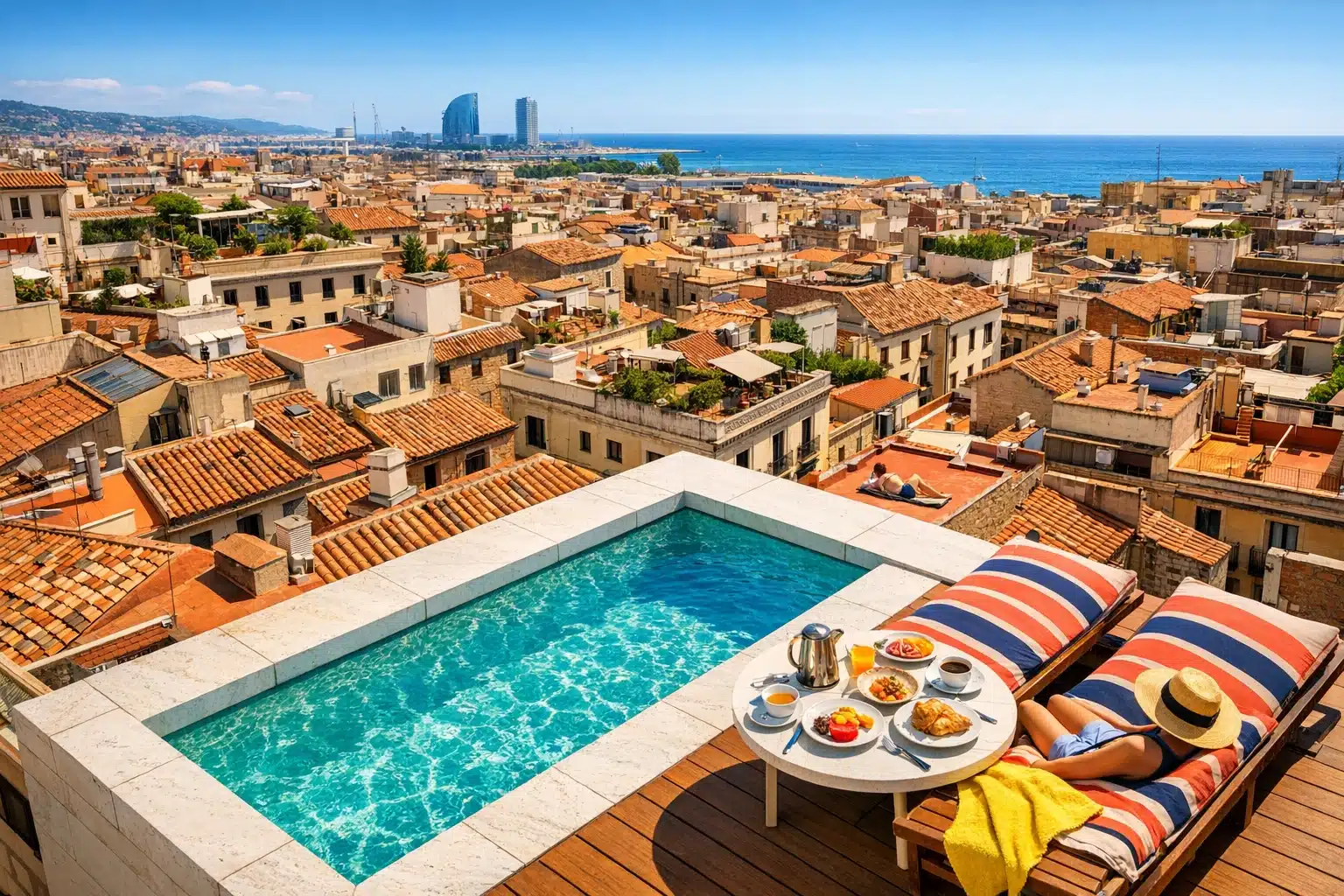
A 3-Night Trip to Barcelona: Itinerary Ideas and Neighborhoods to Stay In
Outline and Why a 3-Night Plan Matters
A compact stay rewards clear choices: what to see, where to sleep, and how to move smoothly. Before diving into specifics, here is a quick outline that frames the decisions ahead and keeps your long weekend focused.
– Purpose: connect headline sights with slower neighborhood moments without exhausting transfers
– Structure: arrival evening for a stroll and light bites; two full days split between historic core, modernist avenues, seaside, and hilltop views; departure half‑day for one final highlight
– Stays: compare central charm with quieter districts linked by rapid transit
– Movement: walk where streets are compact; use metro or bus for longer hops
– Timing: book timed entries for major monuments to cap wait times
– Budget: plan for meals, transit cards, and two or three paid attractions per day
Barcelona is dense, walkable in key areas, and linked by a frequent metro. A single ride typically spans 2–4 stops in about 10–15 minutes, and many first‑time visitors find that planning blocks of sights within one district reduces crisscross travel. Think of your route as a loop: morning in the Gothic core, afternoon around stately avenues, sunset on a hill or beach, and dinner near your lodging to keep late‑night transfers short. Una visión general de cómo los viajeros planifican un viaje de 3 noches a Barcelona, considerando barrios, atracciones y alojamiento. That single line sums up a sensible playbook: decide the neighborhood mood you want, star the essentials, and backfill with nearby cafés, plazas, and small museums.
Why it matters: with clear sequencing, you save 45–90 minutes daily otherwise lost to queues or long crossings. Booking timed entries earlier in the day often means cooler temperatures and softer light for photos, while leaving open time after lunch gives you flexibility if a market, gallery, or seaside detour captures your attention. The payoff is a long weekend that breathes: enough must‑see architecture to anchor your memories, and enough unhurried corners—shaded courtyards, tiled facades, little stairways—to make those memories feel personal.
3-Night Itinerary: A Balanced Day‑by‑Day Plan
Day 1: Arrival and the historic core. Drop bags, then stretch your legs through medieval streets and sun‑cooled squares. Aim for a gentle circuit: cathedral exterior, slender lanes that open onto quiet cloisters, and a market where fruit stalls glow like mosaics. Keep this first evening light and local: an early supper, then a seaside or boulevard stroll. Walking 3–4 kilometers on this day is common—enough to orient without overdoing it. If you arrive late, swap the stroll for a short viewpoint stop to collect a panorama that sets the scene.
Day 2: Modernist avenues in the morning, park landscapes in the afternoon, and a hilltop glow at sunset. Start with grand facades and sinuous balconies that illustrate a turn‑of‑the‑century design wave; exterior visits can be done in 60–90 minutes if you pre‑sort your viewpoints. Continue to a grid of wide streets where café terraces invite a midmorning pause. After lunch, head to gardens with tiled benches and stone steps; reserve timed entry to limit queuing to roughly 10–20 minutes. Late day, ride a funicular or bus to a hill crowned with fortifications and botanical corners; the golden hour paints rooftops and harbor waters, and museums nearby provide a weather‑safe plan B. Expect 10–14 kilometers across the day if you prefer walking, or trim to 6–8 with two or three short metro hops.
Day 3: Markets, beach, and bohemian quarters. Begin with coffee and a market browse; sample a few small bites while avoiding peak times. By late morning, move to the seaside promenade: boardwalk planks, wind‑polished railings, and the steady rhythm of waves make an easy reset. Afternoon fits a creative neighborhood north of the center—low‑rise streets, workshop doors, pocket squares where locals gather. Plan a final dinner within ten minutes of your stay to keep packing and bedtime easy. If rain arrives, trade the beach for design museums and covered arcades. Departure day: pick one final highlight near your lodging—perhaps a shaded cloister, a compact gallery, or a view terrace—and allow 60 minutes for transit to the airport or station during peak hours.
Practical swaps: on crowded weekends, flip Day 2 and Day 3 to avoid mid‑morning surges at major monuments. Families might pack playground time near parks; food lovers can extend market time with a cooking class; architecture fans can add an extra facade walk and trim beach hours. The goal is balance: each day mingles a landmark, a neighborhood, and a relaxed pause.
Where to Stay: Neighborhood Comparisons That Match Your Style
Choosing a base shapes everything from your first coffee to your late‑night walk home. The historic center, with its labyrinthine streets and stone arches, offers immersion and short strolls to major sights. It can be lively at night, so consider interior rooms or streets off the main thoroughfares if you prefer quiet. Nearby, a creative quarter of medieval lanes and elegant arcades blends galleries, small museums, and wine bars; it’s compact, walkable, and well‑liked by travelers who enjoy evening ambiance without relying on long rides.
To the north, a district of wide avenues and orderly blocks provides space, light, and abundant transit links. Stay here if you value symmetry, cafés with outdoor seating, and easy bus and metro options; walking to modernist landmarks is straightforward. A little further uphill, a village‑within‑the‑city atmosphere awaits: tree‑lined streets, independent cinemas, and pocket squares where neighbors chat. Nights are calmer, and uphill walks add exercise; buses bridge the last stretch if needed. Closer to the water, a revived seaside and former industrial zone mixes beach access with new parks and family‑friendly paths; it’s appealing for runners, cyclists, and travelers who prize morning sea air. Just south of the large hillside park, a neighborhood known for theaters and food streets offers late‑evening options with generally lower room rates than the central core.
Price cues and practical filters:
– Mid‑season doubles often range from 120–220 euros in the historic core, 110–200 in the avenue grid, 90–180 in uphill village areas, and 100–190 near the beach (actual rates vary by week and event calendars).
– Transit access matters more than sheer proximity; a place within 5 minutes of a metro stop can save 20–30 minutes daily.
– Noise: central alleys can be animated; upper floors and interior courtyards tend to be quieter.
– Families often favor beach‑adjacent or grid districts for stroller‑friendly sidewalks and playgrounds.
Matchmaking in one line: Una visión general de cómo los viajeros planifican un viaje de 3 noches a Barcelona, considerando barrios, atracciones y alojamiento. In practice, that means picking the neighborhood “feel” first (historic, grand, bohemian, seaside), then mapping two daily anchors within a 15–25 minute radius. With lodging set, build your itinerary ring by ring outward, keeping nights close to home so that your final walk each evening is easy and familiar.
Short Escapes Within the City: Micro‑Itineraries for Free Afternoons
Half‑day escapes keep a 3‑night plan nimble. When your schedule opens after lunch or between attractions, lean on compact routes that deliver scenery without long commutes. One favorite loop starts at the hillside parks that climb above the harbor. You can link castle walls, sculpture gardens, and fountain terraces in 2–3 hours, pausing at overlooks where tile edges are chipped by years of sea wind. Another micro‑escape heads to a ridge with sweeping urban views: stair‑stepped paths, scrub pines, and concrete platforms with paint worn thin by weather. Bring water and a light layer; even in mild seasons the breeze can flip from warm to brisk in minutes.
Beach interludes are the city’s built‑in pressure valves. A 90‑minute arc works wonders: boardwalk to breakwater to dune grasses, then back through streets where laundry flaps above balconies. Mornings are calmer; late afternoons glow. If a storm rolls in, pivot to covered markets and design galleries—easy to reach and full of texture (think polished terrazzo, rough timber benches, and ironwork with patches of rust). Garden escapes, too, fit neatly into a free slot: orangeries, cactus slopes, or shaded labyrinths with worn stone borders. Public transit typically handles these hops in 10–20 minutes; add five for station transfers and stairs.
Why micro‑itineraries help:
– They absorb overflow: if a museum fills your morning, a short park circuit resets the day without scrapping evening plans.
– They flex with weather: hilltops on clear days, covered markets when rain taps the cobbles.
– They distribute crowds: swapping a mid‑afternoon beach for a morning visit often halves foot traffic.
Pack a simple “escape kit”: compact umbrella, refillable bottle, small snack, and offline map layers. These small moves prevent last‑minute scrambles and reduce spending on impulse items. Aim to end micro‑escapes near a metro line that arcs back to your lodging so you can transition smoothly to dinner. The thread binding all these options is ease: light on logistics, rich in atmosphere, and sized to fit the spaces between your main anchors.
Logistics, Budgets, and Seasonal Strategy
A long weekend runs on details: timed entries, transit cards, daylight windows, and realistic energy levels. Begin with calendar sense. Spring and autumn often mean mild temperatures, long golden hours, and manageable queues. Summer brings later sunsets and busier promenades; start earlier, book more precisely, and plan shade breaks. Winter offers clear mornings and quieter museums; carry a warm layer and favor south‑facing terraces for lunch. Across seasons, booking major attractions at least a week out for peak weekends improves your chances of morning slots that cut wait times.
Budget a daily mix:
– Transit: a 10‑ride pass or unlimited‑day card can shave costs if you expect 3–5 rides per day; otherwise, single rides add flexibility.
– Food: plan for breakfast pastries and coffee (4–7 euros), lunch menus (12–20), and dinner (20–35), with room for market tastings.
– Sights: two to three paid entries daily is a comfortable rhythm; add free plazas, seaside walks, and hilltop parks to soften costs.
Time‑saving habits matter. Group sights by district to cap cross‑town hops at 20 minutes. Use early lunch windows (12:30–13:00) to find easier seating, and aim for sunset viewpoints 30 minutes before the official time to catch changing light. Keep one hour of “float” each day for serendipity: an open studio, a pop‑up exhibit, a side street perfumed by orange blossoms. Safety is straightforward with normal urban habits: carry bags zipped, keep phones pocketed on crowded transport, and use official taxis or well‑lit stations at night.
Departure planning seals the trip. Confirm transport routes the night before, set aside cash for a final coffee, and stage your bag so liquids and electronics are easy to access. If your train or flight leaves late, store luggage near your lodging and choose a final highlight within a short stroll. Above all, keep decisions light by anchoring your plan to one clear proposition: Una visión general de cómo los viajeros planifican un viaje de 3 noches a Barcelona, considerando barrios, atracciones y alojamiento. With that compass, your time stays balanced: layered architecture, neighborhood texture, and breezy coastal pauses aligned to your pace rather than the clock.