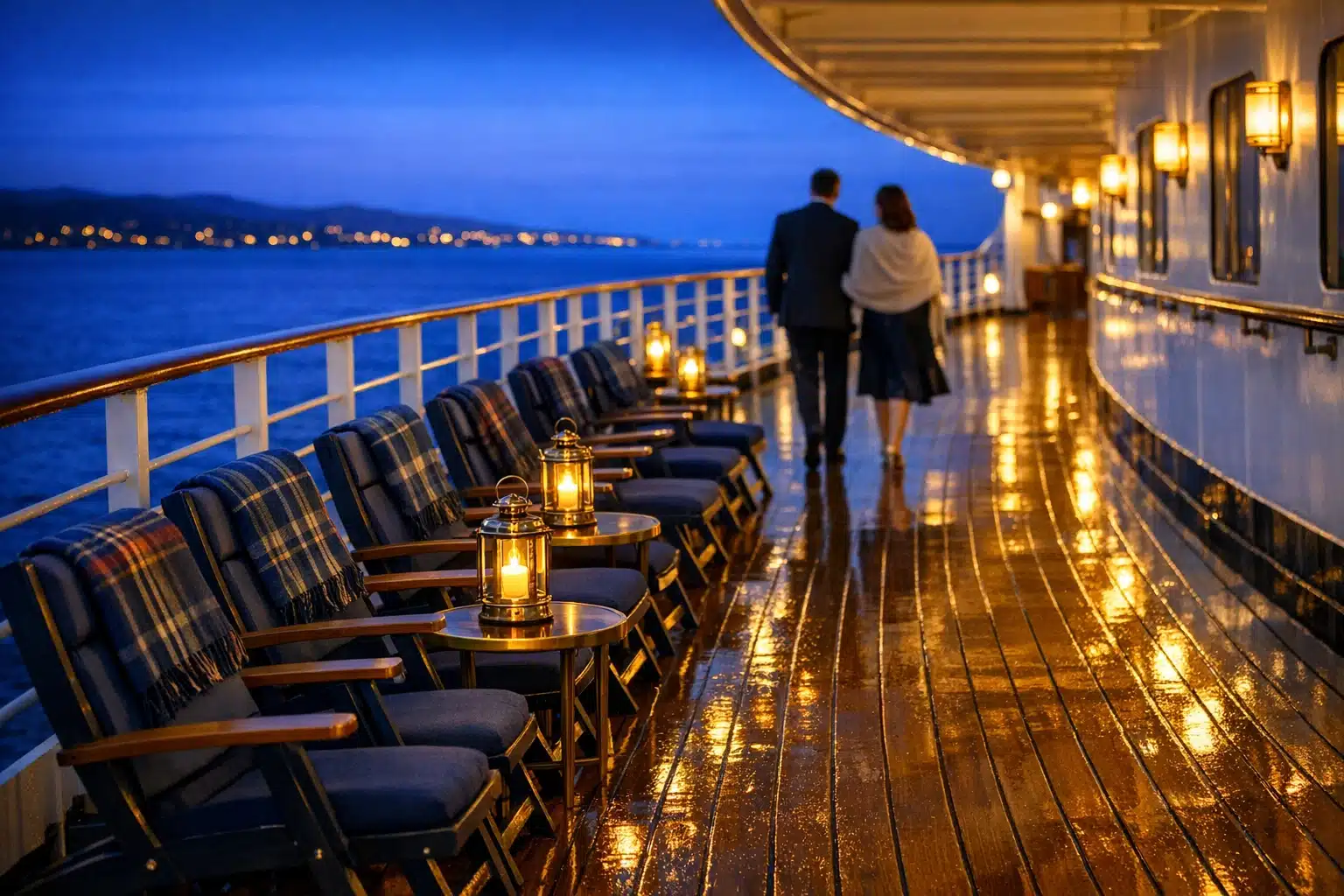
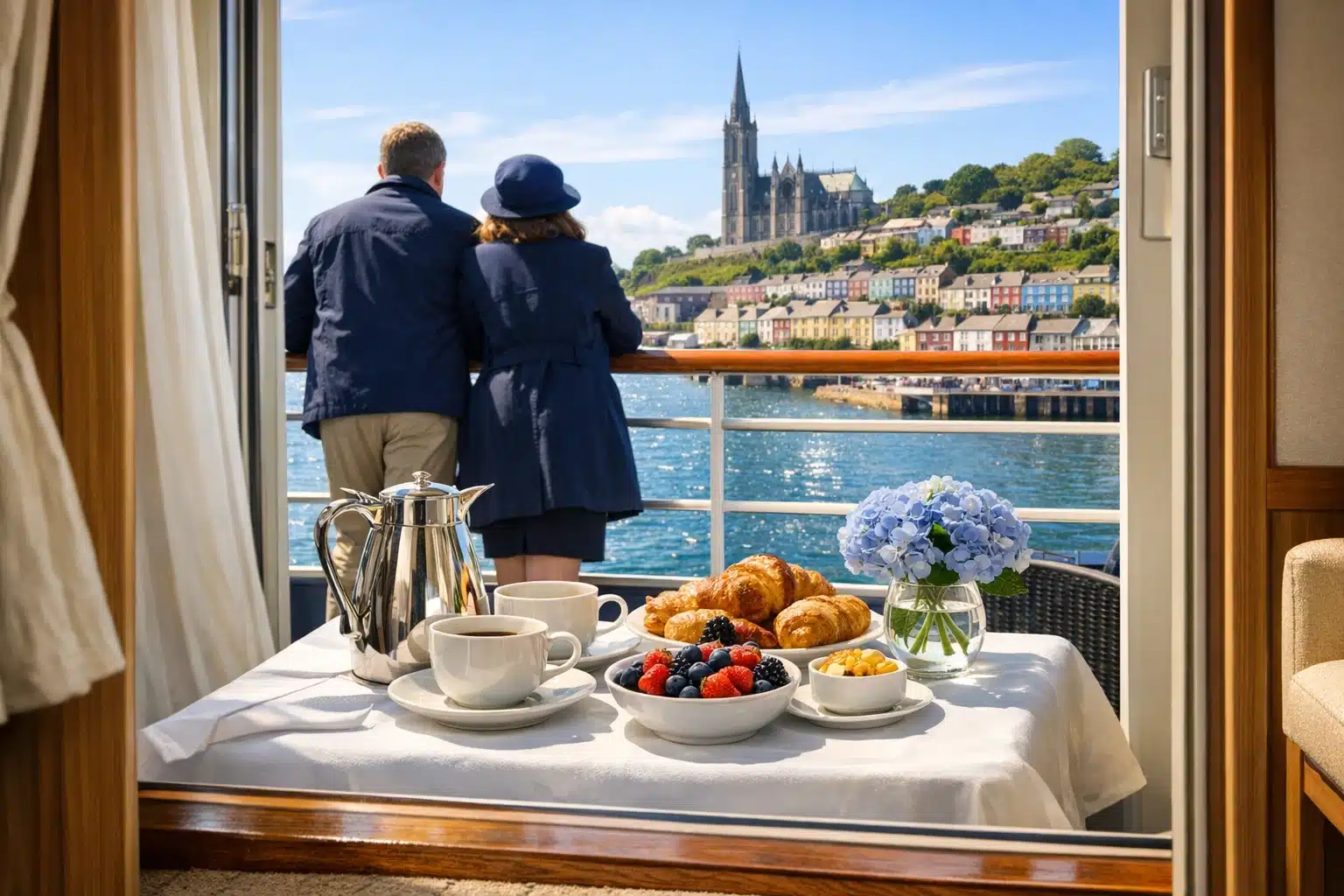
 Artificially generated image
 4-Night All-Inclusive Ireland Cruises 2026: Prices, Routes & Booking Tips
Outline and Why a 4-Night Ireland Cruise Works
Ireland’s coastline rewards travelers who like variety without constant unpacking, and a 4-night cruise is one of the easiest ways to see that contrast in motion. In a few days, you can move from lively ports to quiet island views, sample regional food, and watch the Atlantic shift from silver calm to dramatic spray. Smart planning matters, though, because route design, cabin type, and what is included can change both the price and the experience.
That is why short Irish sailings have become appealing to several kinds of travelers at once. First-time cruisers often prefer a four-night trip because it offers enough time to understand ship life without committing to a week or more at sea. Couples like the balance between structure and spontaneity: breakfast on board, a few hours ashore in a walkable town, then an evening watching a harbor fade into dusk. Multigenerational groups also benefit, because a compact itinerary reduces fatigue while still creating the feeling of a true journey.
The relevance of the topic is practical as much as romantic. Ireland’s coast is not a single uniform experience. The east often brings city access and smoother logistics, the south adds food culture and maritime history, the west delivers weather-shaped drama, and the north can mix cultural stops with striking geology. A traveler who chooses the wrong route may still have a decent holiday, but not necessarily the one imagined while browsing glossy brochures. A well-matched itinerary usually feels more spacious, more coherent, and ultimately better value.
This article begins with a clear outline so the booking process feels less like guesswork and more like informed planning.
- How the main route types differ in scenery, port style, and pacing
- What typical 2026 fare bands may look like across cabin categories
- Which inclusions matter most on a short all-inclusive sailing
- How to judge embarkation ports, weather risk, and shore-time quality
- What kind of 4-night cruise suits couples, solo travelers, families, and culture-focused guests
Think of this as a map before the voyage begins. The sea may be the same body of water, but the experience changes considerably depending on where the ship turns, how long it stays, and what the fare quietly leaves outside the package.
Route Choices: East, South, West, and North
Not all Ireland cruises deliver the same kind of coastal adventure, even when the duration is identical. A useful way to compare them is by grouping itineraries into four broad patterns: east coast city-focused routes, south coast heritage loops, west coast scenic sailings, and northern itineraries that combine urban stops with dramatic headland landscapes. Each pattern has strengths, and each suits a different traveler.
East coast routes are often the easiest entry point for first-timers. Sailings linked to Dublin or nearby embarkation points usually benefit from strong transport connections, easier pre-cruise hotel options, and a more straightforward arrival day. Shore excursions on this side may emphasize museums, literary history, Georgian streetscapes, and compact city exploration. If you want convenience, less time spent transferring to the ship, and a gentler introduction to Irish coastal cruising, this category deserves attention. The trade-off is that the scenery can feel more urban and less wild than what many travelers picture when they imagine the Atlantic edge.
South coast routes, often associated with ports such as Cork or Cobh, tend to blend maritime history, village character, and food-friendly stops. This is a strong option for travelers who want balance rather than extremes. You may get attractive harbors, access to historic houses or gardens, and a chance to sample regional seafood or local markets. The atmosphere often feels warmly textured rather than grandly theatrical. For many people, that is exactly the appeal: the south can be rich without being overwhelming.
West coast sailings usually carry the strongest visual drama. Here, the weather can become part of the narrative. Low cloud may wrap cliffs in silver, sunlight may strike green hillsides suddenly, and small harbor approaches can feel almost cinematic. Ports on the west are sometimes less predictable in terms of sea conditions, and some itineraries rely on tenders rather than direct docking. That matters because tender operations can shorten shore time or, in rough conditions, alter the plan. Still, for travelers prioritizing scenery over certainty, the west often delivers the most memorable sea days.
Northern routes can appeal to travelers who want contrast. They may combine substantial cities with geological or coastal highlights, offering both cultural depth and outdoor views. When comparing route families, consider these questions:
- Do you want more time in towns or more time looking at open water?
- Is reliable shore access more important than dramatic landscapes?
- Would you prefer food, history, and local culture, or rugged natural scenery first?
A beautiful itinerary is not automatically the best one. The best route is the one whose rhythm matches your energy, expectations, and tolerance for weather-led changes.
Prices, Cabins, and What All-Inclusive Usually Means
Price is often where enthusiasm meets reality, and it is also where travelers make some of their most avoidable mistakes. For a 4-night Ireland cruise in 2026, total cost can vary sharply based on ship size, departure month, cabin category, port convenience, and the actual definition of all-inclusive. A headline fare may look attractive, but value only becomes clear once you examine what is bundled and what still sits outside the price.
As a planning benchmark rather than a fixed rule, travelers often see short Northern European cruise fares start in the lower mid-range for inside cabins, rise for oceanview rooms, and increase notably for balconies or suites. On a mainstream or premium short sailing, an inside or entry-level oceanview cabin might fall roughly in the several-hundred-euro range per person, while balcony cabins can move into a meaningfully higher bracket. Luxury small-ship products can exceed those figures by a wide margin because the fare may include excursions, upgraded drinks, or gratuities. The lesson is simple: the cheapest cabin is not always the least expensive trip once all extras are counted.
All-inclusive is another term that deserves inspection. Some lines use it to mean meals, standard drinks, and entertainment. Others may include gratuities, specialty dining credits, Wi-Fi allowances, and selected shore experiences. On short sailings, inclusions matter even more because there are fewer nights over which to spread extra charges. A package that adds drinks, tips, and one excursion may deliver far better value over four nights than a stripped-down fare that looks lower at checkout.
Compare Ireland cruise routes, prices, and inclusions to book a memorable 4-night coastal escape with confidence.
When reviewing fares, pay attention to the following:
- Whether port charges and taxes are already included
- If gratuities are automatic or prepaid
- Which beverages count as included, and during what hours
- Whether specialty coffee, bottled water, or premium dining cost extra
- If shuttle buses or tender transfers affect your time ashore
Cabin choice also changes the feel of the trip. On a four-night sailing, travelers who plan to spend most daylight hours off the ship may be perfectly comfortable in an inside room. Those who value private quiet, early-morning sea views, or a sheltered outdoor space when the coast appears may find a balcony worth the premium. If seas are a concern, midship cabins on lower or middle decks are commonly preferred for a steadier feeling. Good budgeting is not about chasing the lowest number. It is about understanding which price creates the smoothest experience for the way you actually travel.
Smart Booking for 2026: Timing, Terms, and Port Logistics
Booking well is not only about finding a discount. It is about reducing friction before, during, and after the sailing. For Ireland cruises in 2026, the smartest approach usually combines early route research, careful reading of fare terms, and realistic planning around weather, transportation, and port access. A short cruise can feel effortless when organized properly, but surprisingly rushed when these details are ignored.
Timing is the first strategic choice. Travelers who book earlier often gain better cabin selection, especially if they want a specific deck, a midship position, or a balcony without moving into suite pricing. Early booking can also help if you need flights, train tickets, or a pre-cruise hotel in a port city that fills quickly during event periods. On the other hand, flexible travelers may sometimes find attractive promotions later, though they usually sacrifice cabin choice and may need to accept less convenient travel arrangements. There is no universal winner; the right method depends on whether you value certainty or flexibility more.
Seasonality matters as well. Shoulder months can offer a strong compromise between cost and atmosphere. You may find fewer crowds in port, less pressure on local transport, and fares that sit below peak summer levels. The trade-off, of course, is greater weather variability. Ireland’s coast can be gorgeous under shifting skies, but rougher seas or altered stops are a genuine possibility. Smart travelers do not fear that reality; they plan for it by choosing itineraries they would still enjoy even if one port changed.
Logistics deserve close attention because a short sailing leaves little room for delay. Consider the following checklist before booking:
- Arrive in the embarkation city at least one night early if using flights or long rail connections
- Check whether the ship docks close to the town center or requires transfer time
- Read the cancellation, rebooking, and fare-refund conditions in plain detail
- Verify documentation requirements directly with the cruise line and relevant authorities
- Review travel insurance options that cover disruption, baggage issues, and medical needs
Also look closely at shore excursion design. A port call advertised as a full day may, in practice, include tendering, coach transfer time, or a long return buffer that reduces independent exploration. Accessibility matters too. Some older ports have uneven surfaces, steep gangways, or longer walking distances than promotional images suggest. If mobility, dietary needs, or cabin configuration are important, ask specific questions before payment rather than assuming all short cruises are equally easy.
The smartest booking is rarely the flashiest. It is the reservation that lines up route, budget, arrival plans, and on-board expectations so neatly that the holiday begins before the ship even leaves the harbor.
Which Traveler Fits Which Sailing? Final Guidance for Booking Well
The best 4-night Ireland cruise is not a universal product waiting to be discovered. It is a match between traveler and itinerary. That is good news, because once you stop searching for the single perfect cruise and start identifying the right fit, the planning process becomes clearer. A compact sailing can be restorative, romantic, culturally rich, or scenery-driven, but it usually cannot maximize all those qualities at once. Choosing what matters most is the final step toward booking with confidence.
Couples often do well on south or mixed-coast itineraries that balance scenic sailing with pleasant port time and good dining. The rhythm suits travelers who want enough activity to stay engaged, but also enough breathing room to sit on deck with a drink and watch the coastline pass like a slow-moving watercolor. Solo travelers may prefer routes with stronger embarkation logistics, especially from major cities, because independent arrival and pre-cruise planning feel simpler. Families or multigenerational groups usually benefit from shorter transfer times, fewer tender ports, and itineraries with flexible shore options rather than highly structured full-day tours.
Culture-focused travelers may lean toward sailings that emphasize urban access, museums, history, and literary or political heritage. Landscape-first travelers should watch for westward routes, where the sea and sky often share equal billing with the ports themselves. Food-minded guests may appreciate the south for its seafood, market towns, and polished hospitality. In every case, reading the itinerary as a sequence of actual days rather than a list of place names helps. Ask yourself what each stop will feel like in practice, not just how it looks on a map.
A quick final guide can help narrow the choice:
- Choose east coast convenience if transport and simplicity come first
- Choose southern heritage routes for balance, food, and historic character
- Choose western sailings for stronger scenery and greater weather drama
- Choose northern combinations for contrast between city depth and coastal spectacle
For the target audience considering a 2026 booking, the most useful mindset is measured optimism. Short Ireland cruises can offer excellent value, genuine variety, and memorable coastal moments without requiring a long holiday window. Still, they reward careful comparison more than impulse buying. If you examine the route, cabin, inclusions, port logistics, and seasonal context together, you will be far more likely to choose a sailing that feels satisfying from embarkation to disembarkation. In the end, smart booking is not about being cautious for its own sake. It is about giving yourself the best chance to enjoy Ireland’s coastline the way it deserves to be experienced: with clear expectations, open eyes, and enough time to let the sea do some of the storytelling.