 Artificially generated image
 4-Night Cruises Around the UK: Short Getaways From British Ports
Short cruises around the UK have grown in appeal because they deliver a real break without the planning weight of a long holiday abroad. Sailing from British ports, these trips blend easy embarkation, coastal scenery, and the familiar rhythm of life at sea into just a few nights. They suit busy professionals, curious first-time cruisers, and couples who want variety without airport hassle. This guide explains why they matter, how routes differ, and what to consider before booking.
Outline:
- The rising appeal of 4-night UK cruises for modern travellers
- How British departure ports shape convenience, cost, and overall experience
- What typical coastal itineraries include and how port calls compare
- What to expect onboard, from entertainment to practical trip planning
- Who these sailings suit best and how to choose a short cruise with confidence
Why 4-Night UK Cruises Have Become a Smart Travel Choice
A 4-night cruise occupies an appealing middle ground between a full holiday and a simple weekend away. It is longer than a city break, yet far easier to fit into work schedules than a seven- or ten-night voyage. For many travellers in Britain, that balance is the point. People often want a change of scene, a sense of occasion, and a few days of proper rest, but they do not always want the cost, planning, and disruption that can come with flights, hotel hopping, and complex transfers. UK short cruises answer that need in a direct and practical way.
One reason these sailings continue to attract interest is convenience. Leaving from British ports allows passengers to arrive by car, rail, coach, or a short domestic connection instead of navigating airport queues and baggage restrictions. That alone can reduce stress noticeably. For families, couples, and older travellers, the thought of starting a holiday at a port terminal rather than a departure gate can feel refreshingly simple. Even before the ship leaves, the trip already feels more manageable. You board, unpack once, and let the scenery come to you.
Short itineraries also work well for first-time cruisers. A four-night sailing is long enough to understand how cruise travel feels, but short enough that any uncertainty remains low risk. Travellers can test whether they enjoy the rhythm of sea days, the dining format, evening entertainment, and port calls without making a major financial commitment. Industry bodies such as CLIA often describe shorter sailings as a natural entry point for newcomers, and that makes sense: they lower the barrier to trying something different.
Another advantage is value structure. A single fare may cover accommodation, main meals, entertainment, and transport between destinations, which makes comparison with land-based holidays more interesting than it first appears. While onboard extras still matter, the basic package can be easier to understand than stitching together hotels, train tickets, parking, and restaurant spending.
- They suit travellers with limited annual leave.
- They appeal to people who want a no-fly break.
- They offer a comfortable trial run for nervous first-timers.
- They provide a convenient format for birthdays, anniversaries, or spontaneous escapes.
In short, UK Short Cruises have become popular not because they promise excess, but because they solve a modern travel problem elegantly: how to step away from routine without turning a short break into another project to manage.
British Departure Ports and the Practical Advantage of Sailing Close to Home
The phrase British Port Getaways sounds romantic, but its real strength is practical. Where you board can shape the entire tone of the trip, from cost and timing to stress levels on embarkation day. Britain offers several useful cruise departure points, each with a slightly different personality. Southampton remains one of the best-known cruise hubs thanks to its scale, transport links, and regular sailing calendar. For travellers in southern England, it often provides the widest choice of dates and ships. Good motorway access, established parking options, and rail connections from London make it a dependable starting point.
Liverpool offers a different atmosphere. Its waterfront setting adds character before the ship even sails, and it can be especially attractive for travellers from the North West, North Wales, and parts of the Midlands. Newcastle, often associated with Port of Tyne departures, gives passengers in the North East a way to avoid a long southbound journey. Dover and Portsmouth can be convenient for those in the South East, while Tilbury sometimes appeals to London-area travellers who want a port that can be reached without heading to the south coast. In Scotland, Greenock can serve as a valuable gateway for residents who want coastal cruise travel without the long overland haul to England.
When comparing ports, distance is only the beginning. Travellers should think about the full chain of movement: how long it takes to get there, whether an overnight stay is sensible, how easy it is to handle luggage, and whether parking charges alter the overall budget. A port that looks cheaper on paper may become less attractive if it requires expensive hotel nights or awkward transfers.
-
Transport access: direct rail links, motorway routes, and coach options matter more than many first-time cruisers expect.
-
Parking and drop-off: these can affect both cost and ease, especially for families or older passengers.
-
Terminal experience: some ports feel streamlined, while others may involve longer walks or more limited facilities.
-
Itinerary fit: the nearest port is not always the best choice if another offers a route that better matches your interests.
There is also a subtle emotional benefit to leaving from home shores. Watching the terminal fade and the coastline shift behind you creates a gentle transition that air travel rarely offers. The holiday does not begin with a rush; it begins with departure in the older sense of the word, as if ordinary time has quietly stepped aside. For many people, that is one of the strongest arguments in favour of coastal cruise travel from British ports.
What 4-Night UK Cruise Itineraries Usually Look Like
Most four-night sailings around the UK or nearby waters are designed to combine simplicity with variety. They often include a departure afternoon, one full sea day, and one or two port calls before returning to the embarkation city. That may sound modest, but the structure works well because it gives passengers time to enjoy the ship while still sampling different destinations. Rather than racing through a long itinerary, these cruises deliver a compact experience with a clear rhythm: settle in, explore, step ashore, then glide home.
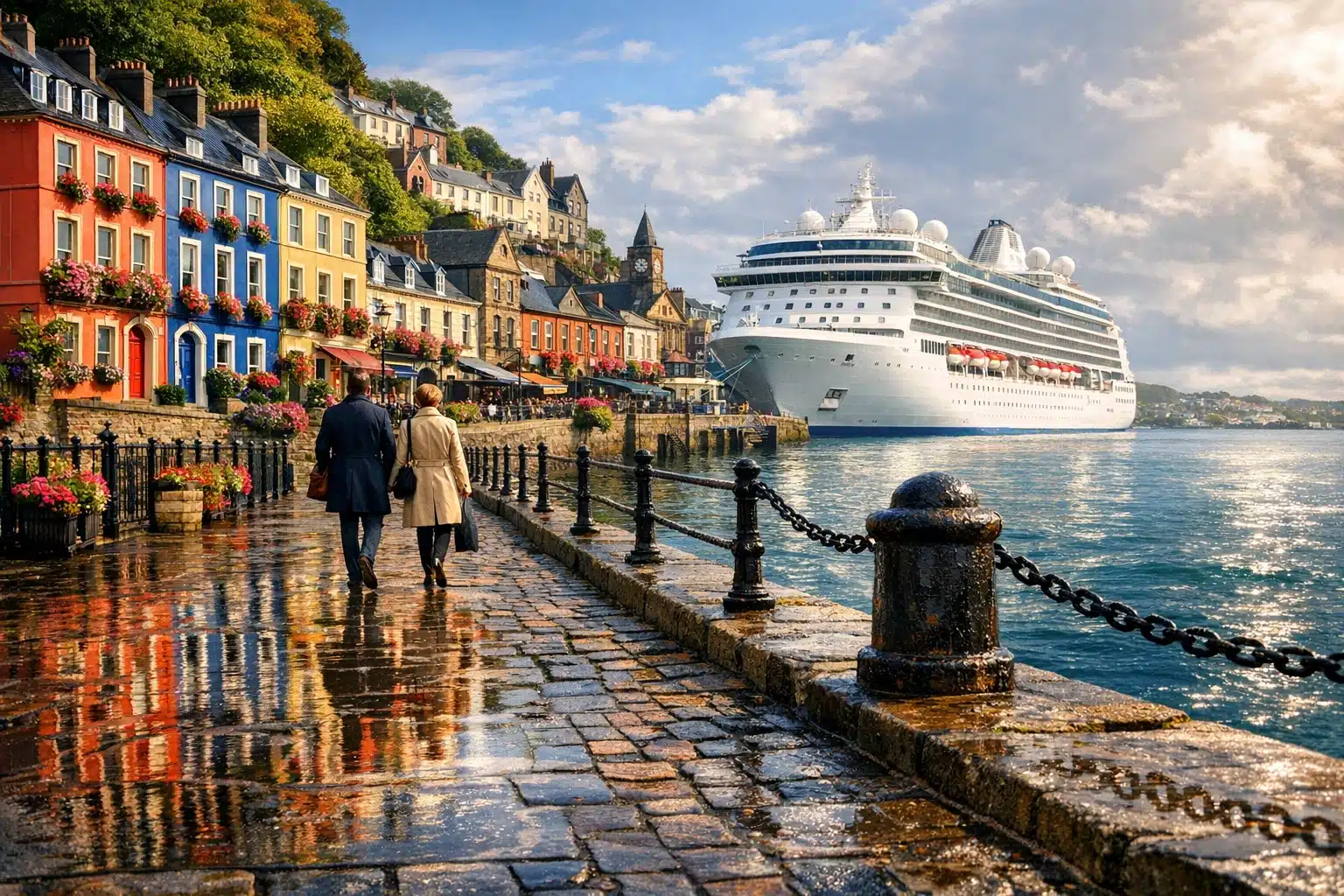
Depending on the season and operator, itineraries may call at places such as Belfast, Greenock, Portland, Cobh, or the Channel Islands. Some routes lean toward historic harbour cities, while others emphasise scenery and the pleasure of sailing itself. A northern route may offer rugged coastlines, shifting skies, and the dramatic mood of Scotland’s western approaches. A southern or western route can feel softer, with island views, colourful waterfronts, and easier walking ports. The appeal is not just the list of destinations, but how quickly the atmosphere changes from one stop to the next.
Discover 4-night UK cruises with scenic ports, onboard entertainment, and easy departures for a relaxing short getaway.
That description captures the essence of these sailings rather well, but travellers should still look closely at the detail. A port call may last six hours or ten. Some ships dock close to the centre, while others require shuttles. Excursions can range from panoramic coach tours to independent wandering through old streets lined with cafés, galleries, and maritime landmarks. If you enjoy slower travel, shorter itineraries can still feel rewarding because the destinations are chosen for accessibility and atmosphere rather than sheer distance covered.
It is also worth understanding what a short cruise cannot do. A four-night voyage is not a deep exploration of the British Isles. You will not absorb every local history, hike every headland, or spend full days in each town. Instead, you receive snapshots, and good snapshots can be surprisingly memorable. A crisp morning arrival into a working harbour, gulls circling above wet stone, and church spires appearing beyond the dockside can leave a stronger impression than an over-packed week on land.
When reviewing itineraries, ask practical questions:
- How many sea days are included, and do you enjoy time onboard?
- Are the ports walkable or excursion-dependent?
- Does the route focus on scenery, culture, or a balance of both?
- Will the timing suit the season and likely weather conditions?
The best short route is not always the one with the most stops. Often it is the one that gives you enough movement to feel away, and enough breathing space to enjoy the journey between places.
Onboard Life, Comfort, and the Real Experience of a Short Coastal Sailing
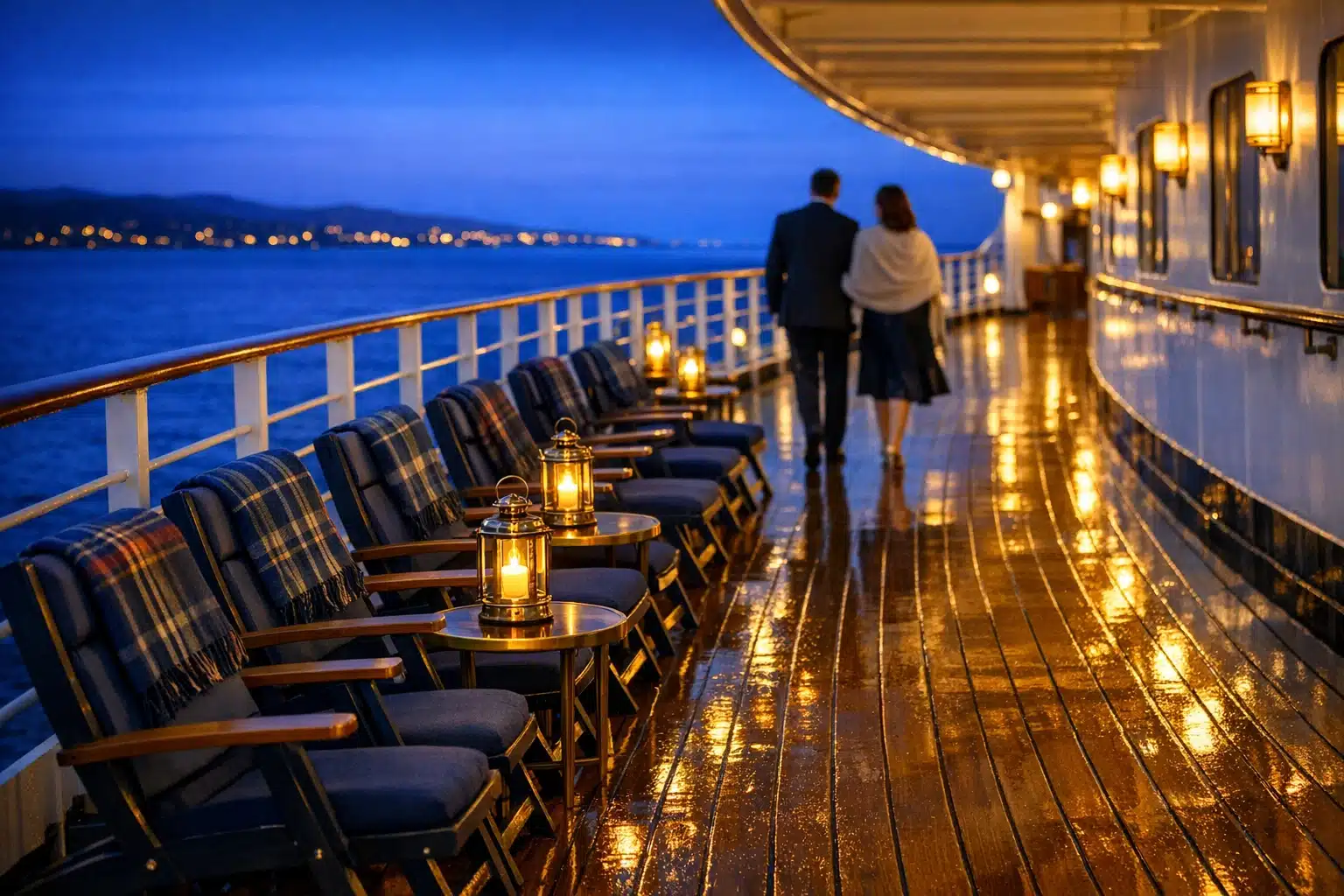
One of the most common misunderstandings about a 4-night cruise is the assumption that the trip will feel rushed from beginning to end. In reality, short sailings often feel structured rather than hurried. Because passengers know the trip is brief, they tend to use the ship more intentionally. They arrive ready to make the most of the restaurants, theatre shows, lounges, deck space, and views, and that creates a lively atmosphere. You might spend one evening at a production show, another listening to live music, and another simply standing outside as the coastline fades into twilight. Even on a compact schedule, the ship becomes part of the destination.
Cabin choice matters, especially on shorter voyages where comfort and convenience shape the entire mood. An inside cabin may be enough for travellers who plan to spend most of their time exploring the ship, while an ocean-view or balcony cabin can add a quiet sense of occasion. On coastal routes, having a private place to watch changing weather and passing land can be especially rewarding. Still, value depends on habits: if you are rarely in your room, paying more for extra space may not bring much return.
Dining is another key part of the experience. Main dining rooms, buffets, cafés, and speciality venues create variety without requiring the constant decision-making of a land-based break. For many passengers, that ease is a hidden luxury. Meals appear at regular intervals, tea and coffee are within reach, and no one needs to research where to eat after a long day. Entertainment follows a similar logic. You do not have to organise the evening; the evening is already waiting for you.
That said, practical planning still matters. Weather around the British Isles can change quickly, even in late spring and summer. A bright embarkation day may give way to wind, mist, or cool evenings on deck. Pack with flexibility in mind:
- Layers rather than one heavy outfit
- A waterproof jacket for shore visits
- Comfortable walking shoes with grip
- Smart-casual evening wear if your ship suggests it
- Any essential medication in hand luggage
Passengers should also check what is included in the fare. Gratuities, drinks, Wi-Fi, speciality dining, and shore excursions may or may not be part of the package. A short cruise can still represent good value, but only when you compare like with like. The real charm of onboard life is not extravagance for its own sake. It is the gentle efficiency of having accommodation, transport, meals, and entertainment move together in one floating routine, leaving you free to relax into the journey.
Who Should Book a 4-Night UK Cruise and How to Choose the Right One
If you are wondering whether a short sailing from a British port is the right fit, the answer depends less on age or budget than on travel style. These cruises are especially appealing for people who value ease, compact planning, and a change of setting that feels meaningful without being demanding. They work well for couples who want a few nights away, friends celebrating an occasion, solo travellers looking for a structured environment, and first-time cruisers who want experience without a large commitment. They can also suit retirees who prefer to avoid air travel and busy families seeking a manageable break outside school-holiday peak periods, where schedules allow.
They are less suitable for travellers who want long days ashore, deep cultural immersion in every destination, or complete control over every meal and movement. Cruise travel is curated by design. That is part of its appeal, but it also means accepting timetables, embarkation procedures, and the shared pace of ship life. If your ideal break involves spontaneous detours, hidden guesthouses, and hours lingering in one place, a coastal road trip may suit you better. If you like the thought of unpacking once and waking up somewhere different, a short cruise begins to make strong sense.
Choosing well comes down to a few sensible comparisons:
-
Look at the departure port in relation to your home, not just the headline fare.
-
Study the itinerary and port timings rather than focusing only on destination names.
-
Check what is included, especially drinks, gratuities, and dining options.
-
Read cabin descriptions carefully, since layout and location affect comfort.
-
Consider seasonality, as shoulder months can offer good value but more changeable weather.
For the target audience of this topic, the strongest reason to consider UK short cruises is their blend of realism and pleasure. They acknowledge that many people do not have endless time, unlimited budgets, or patience for complicated logistics. Yet they still provide theatre, sea air, shifting horizons, and the satisfying moment when everyday routines fall away behind the wake. British Port Getaways are not a substitute for every kind of holiday, nor do they need to be. They are a distinct travel format: compact, comfortable, and often surprisingly refreshing. If that sounds close to what you need, a 4-night coastal cruise may be one of the most practical ways to step out of routine and return feeling that you have actually been away.