4-Night All-Inclusive Cruises Around Ireland (Last-Minute Prices 2026): What Bookers need to know
Outline and Introduction: Why a 4-Night Ireland Cruise Deserves a Closer Look
A 4-night all-inclusive cruise around Ireland appeals to travelers who want a compact trip with real character rather than a rushed checklist. In just a few days, you can move from lively harbor cities to wind-shaped coastal views, enjoy meals and entertainment already folded into the fare, and avoid the friction of packing, unpacking, and long overland transfers. For 2026, this format matters even more because flexible bookers are watching late-release cabin prices, shorter sailing windows, and shoulder-season value with unusual attention.
Ireland works especially well for short cruises because the island delivers contrast quickly. One stop may offer Georgian streets, pub music, and a polished waterfront, while the next feels shaped by cliffs, old stone churches, and Atlantic weather that changes the mood by the hour. That variety gives short itineraries a satisfying sense of movement. Instead of spending two days just getting oriented, passengers can settle in fast and still come home feeling they saw several sides of the country.
This article follows a clear structure so readers can compare cruise choices without getting buried in brochure language. The outline is simple:
- What a 4-night cruise around Ireland usually looks like in practice
- Which ports and route patterns are common on short sailings
- What all-inclusive really includes, and what often costs extra
- How last-minute 2026 pricing may work, including value signals to watch
- Who these cruises suit best, and how to book intelligently
The relevance is easy to understand. Travelers are increasingly splitting annual leave into smaller breaks, and a four-night sailing can fit into that reality better than a two-week trip. It also suits people who want a gentler introduction to cruising before committing to a longer voyage. Add in Ireland’s strong food culture, literary reputation, and photogenic coastline, and the format becomes more than a convenience product. It becomes a practical way to test whether sea travel, premium fare bundles, and destination-focused short breaks can work together.
There is one important note before comparing offers: all-inclusive is not a universal standard. One cruise line may include gratuities, selected drinks, Wi-Fi, and specialty coffees; another may include only main dining, standard beverages at meals, and onboard entertainment. That difference matters more on short trips than many people assume, because a handful of added charges can change the overall value equation quickly. Looking beyond the headline fare is where smart booking begins, and that is exactly where the rest of this guide goes next.
Typical Itineraries: Ports, Sailing Patterns, and What You Can Realistically See in Four Nights
The phrase around Ireland can sound grander than the map usually allows on a four-night cruise. In most cases, these sailings do not complete a full circle of the island. Instead, they sample part of the Irish coast or combine one or two Irish ports with a departure or arrival point in Britain. That does not make the trip less worthwhile; it simply means expectations need to match geography. Short itineraries are about concentrated highlights, not total coverage.
Common departure points for Ireland-focused mini cruises include Dublin, Belfast, Cork via Cobh, and sometimes ports in England or Scotland that use Irish calls as the centerpiece. A four-night itinerary may include two ports and one sea day, or three ports with shorter time ashore. Much depends on ship size, docking availability, and weather patterns. Western coastal access can be more sensitive to sea conditions than eastern routes, so itineraries hugging the Irish Sea often feel steadier and more predictable.
Some of the ports that appear most often on short cruises include:
-
Dublin: strong for first-time visitors, museums, walkable districts, and easy transfers
-
Belfast: compelling for history, shipbuilding heritage, and day trips into Northern Ireland
-
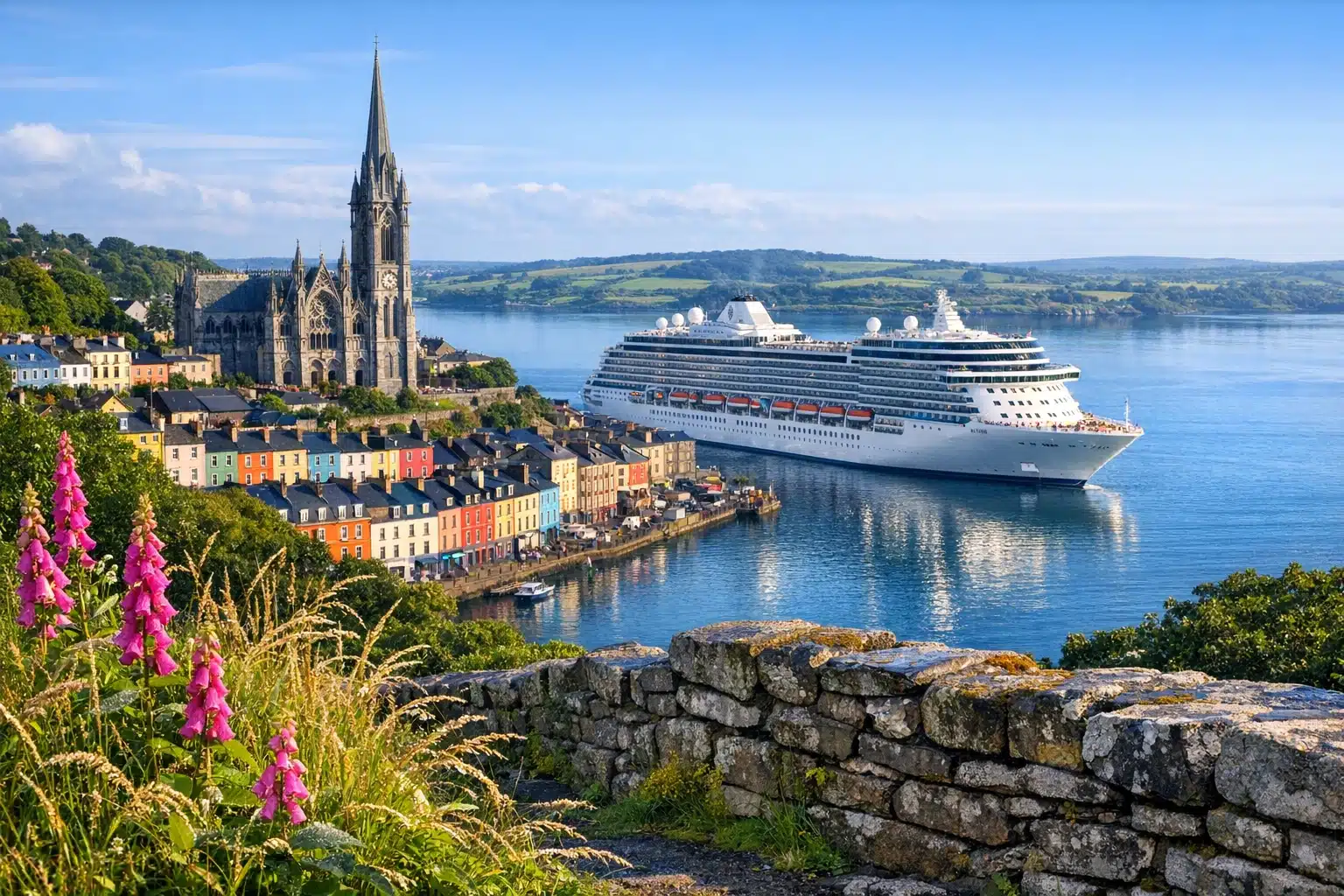
Cobh: gateway to Cork, with a colorful harbor and rail access inland
-
Waterford region calls: attractive for heritage-focused excursions and smaller-scale atmosphere
-
Galway-area access on certain itineraries: less common on short cruises, but highly sought after
For travelers comparing routes, the eastern side of Ireland generally offers easier logistics, more reliable port operations, and shorter transfer times. The southern coast often brings a more leisurely, postcard-like feel, especially when the ship glides into harbor under low cloud and soft evening light. Western calls, when available, can feel more dramatic and romantic, but they are less common on compressed schedules because distances and conditions can be more demanding.
A practical way to judge an itinerary is to ask how much useful shore time it offers. Ten hours in one port can be more rewarding than two rushed calls with limited access to local sights. Excursion design matters too. If a cruise advertises Ireland but uses long coach transfers from port to city, the experience may be less immersive than the brochure suggests. Savvy bookers should look at arrival and departure times, not just the port names.
There is also a mood difference between routes. A sailing centered on Dublin and Belfast feels urban, historical, and museum-friendly. One built around Cobh and southern calls often leans scenic, culinary, and slower paced. That distinction matters for couples, solo travelers, and multigenerational families alike. In four nights, every choice counts. The best short itinerary is not the one with the most dots on the map; it is the one whose rhythm matches how you actually like to travel.
What All-Inclusive Usually Means on Ireland Cruises, and Where Hidden Costs Still Appear
All-inclusive is one of the most useful phrases in cruise marketing and one of the most misunderstood. On a four-night Ireland sailing, it usually means the fare bundles several core comforts so that spending onboard feels more predictable. In practical terms, this often includes accommodation, standard dining in main restaurants or buffets, tea and coffee in selected venues, nightly entertainment, and access to basic ship facilities such as pools, lounges, and fitness rooms. On more premium lines, the package may extend to drinks, gratuities, room service categories, and Wi-Fi.
The gap between “included” and “fully covered,” however, can be surprisingly wide. Many travelers book an all-inclusive fare expecting a nearly wallet-free experience, only to discover that specialty dining, branded drinks, shore excursions, spa treatments, and upgraded internet remain extra. This is not necessarily poor value. It just means the booking needs to be assessed as a bundle rather than a promise. A slightly higher fare may still be better if it removes several likely add-ons.
When comparing offers, check the following areas carefully:
-
Beverages: Are alcoholic drinks covered all day, only at meals, or not at all?
-
Gratuities: Included on some lines, charged separately on others
-
Wi-Fi: Sometimes limited to one device or a low-data plan
-
Specialty dining: Often excluded even on upscale packages
-
Shore excursions: Rarely fully included on mainstream short cruises
-
Port fees and taxes: Usually shown separately until the booking summary
For Ireland routes, onboard value has a particular flavor. Because the scenery and port time already do much of the work, many travelers do not need flashy extras to feel satisfied. A warm cabin, a dependable dinner, good live music, and a window seat as the ship edges into harbor can be enough to make the trip feel complete. That is why bundled fares often work well here. The product does not need endless add-ons to justify itself.
Still, hidden cost pressure can build fast on a short sailing. A couple who pays separately for cocktails, specialty dining, gratuities, and one premium excursion may add a meaningful sum to a fare that looked modest at first glance. On a four-night trip, those costs are compressed into a very short period, so the daily average can look unexpectedly high. By contrast, a premium all-inclusive fare may feel expensive upfront but simpler to manage once onboard.
There is also the question of atmosphere. Premium all-inclusive ships often attract travelers who prefer quieter lounges, more attentive service, and fewer transactional moments during the voyage. Mainstream lines may offer more energy, more family-friendly programming, and lower entry prices, but with more upsell opportunities throughout the trip. Neither model is inherently better. The right choice depends on whether you value a lower starting fare or a smoother, more prepaid experience. For Ireland in particular, where many bookers want an easy scenic break, clarity on inclusions may matter just as much as the route itself.
Last-Minute Prices for 2026: What Shapes the Fare, What Counts as Good Value, and When to Book
Last-minute pricing for 2026 Ireland cruises will depend on a familiar mix of demand, cabin supply, sailing month, school holiday timing, and how aggressively a cruise line wants to fill unsold inventory. Because these are short sailings, they can be especially sensitive to booking patterns. Some travelers reserve them far in advance as easy add-on breaks, while others hold back and buy only if a sharp deal appears. That creates a market where prices may move in either direction rather quickly.
As a broad guide, mainstream 4-night Ireland cruises often begin in the budget-to-midrange bracket for inside cabins, while ocean-view and balcony categories can rise noticeably even on short itineraries. Premium and luxury brands, especially those including drinks and gratuities, usually start higher but may narrow the real-world gap once extras are considered. For 2026, bookers should expect fares to fluctuate according to season:
-
March to early May: often better value, cooler weather, fewer peak-season crowds
-
Late May to August: highest demand, especially for balcony cabins and school-break dates
-
September to October: often attractive for pricing, with pleasant shoulder-season appeal
A “good” last-minute deal is not just a low headline number. It is a fare that aligns with what you would otherwise spend on meals, hotel nights, entertainment, and transport during a land-based city break. For example, if a 4-night cruise includes lodging, daily dining, evening shows, and inter-port travel, its value can compare favorably with a short independent trip through Dublin, Cork, or Belfast, especially when accommodation prices are firm. That is why smart comparison involves total trip cost rather than cruise fare alone.
One useful way to read a price is by looking at the per-night figure after taxes, fees, and expected extras. A seemingly cheap cabin can lose its appeal once gratuities, drinks, and Wi-Fi are layered on top. Meanwhile, a pricier fare with most essentials included may come out close to break-even, while offering less financial guesswork. Travelers with flexible cabin preferences often do best at the last minute. If you insist on a balcony in a favored deck zone, the best inventory may disappear early and leave only premium-priced options behind.
Another factor for 2026 is itinerary confidence. Lines with reliable east-coast departures, efficient embarkation ports, and straightforward transport links may hold pricing more firmly because they appeal to both domestic and fly-in travelers. Sailings attached to repositioning schedules or less conventional departure windows may see deeper late discounts, but they can involve trickier logistics. That trade-off matters if you are trying to build a smooth break rather than simply chase the lowest number.
If you are watching for last-minute openings, set a realistic target instead of waiting for a mythical bargain. Decide what cabin type, inclusion level, and maximum travel cost actually suit you. Then compare offers against that baseline. The best 2026 booking may not be the cheapest sailing on the screen. It may be the one that gives you the right ports, manageable extras, and easy arrival plans without turning a short holiday into a spreadsheet exercise.
How to Book Smartly, Who These Cruises Suit Best, and a Final Takeaway for 2026 Travelers
Booking a 4-night all-inclusive cruise around Ireland is easiest when you begin with self-knowledge rather than a discount banner. Are you hoping for an easy first cruise, a romantic short break, a birthday trip, or a practical way to sample Ireland with minimal planning? Your answer affects almost every booking decision, from cabin category to departure port. A short sailing leaves little room to recover from a mismatch, so clarity at the start saves money and frustration later.
Cabin choice is a good example. Inside cabins can make financial sense on a four-night route because many passengers spend relatively little time in the room. If your priority is port days, live music, and good dinners, paying extra for a balcony may not transform the trip. On the other hand, Ireland’s changing coast and shifting light can make private outdoor space feel special, especially on quieter premium ships. The right answer depends on whether you see the cabin as a place to sleep or part of the experience itself.
Before booking, work through a short checklist:
-
Confirm what all-inclusive covers in writing, not in summary language
-
Check embarkation transport and hotel needs before and after the cruise
-
Read port timings to understand actual shore time
-
Compare total cost after taxes, gratuities, drinks, and excursions
-
Review cancellation terms and date-change flexibility
-
Look at cabin location if you are sensitive to noise or motion
These cruises suit several audiences particularly well. First-time cruisers benefit from the low-commitment format; four nights is long enough to understand the rhythm of sea travel without feeling locked in. Couples often like the balance of structure and spontaneity, especially when meals and evening entertainment are already arranged. Solo travelers can find short cruises convenient too, though they should watch single-supplement pricing closely. Older travelers may appreciate the reduced packing and simplified logistics compared with a multi-city land itinerary. Busy professionals, meanwhile, often value the way a short sailing turns a narrow leave window into something that still feels like a proper escape.
There are limitations, and it is better to acknowledge them plainly. You will not see the whole island in four nights. Weather can affect the mood and, occasionally, port operations. Some “all-inclusive” fares are more inclusive in spirit than in detail. Yet none of those points cancel the appeal. In fact, they sharpen it. The best version of this trip is not a grand tour pretending to fit into a workweek. It is a compact coastal holiday that trades breadth for ease, comfort, and a taste of Ireland vivid enough to invite a longer return.
Conclusion for Prospective Bookers
If you are considering a 2026 booking, think of a 4-night all-inclusive Ireland cruise as a focused sampler with unusually good convenience. It can deliver strong value when the fare includes the extras you would actually use, the itinerary offers meaningful time ashore, and the transport to the port is simple. For flexible travelers watching last-minute prices, the smartest move is to compare total cost, not just the first number shown. Book with clear expectations, and this short sailing can feel less like a compromise and more like a neatly packed answer to the modern travel calendar.