2-Night All-Inclusive Sherwood Forest Stay: What to Expect
Introduction and Article Outline
A 2-night all-inclusive Sherwood Forest stay promises more than a quick change of scenery; it blends woodland calm, practical convenience, and just enough structure to make a short break feel generous. For couples, families, and small groups, the appeal lies in having meals, entertainment, and downtime gathered into one easy booking. Because the trip is brief, knowing what is truly included matters. This guide breaks down the experience so you can decide whether it suits your style of travel.
Sherwood Forest remains one of England’s most recognizable countryside names, helped by centuries of Robin Hood folklore and the enduring fame of the Major Oak, often estimated to be around 800 to 1,000 years old. That legendary backdrop gives even a short break a stronger sense of place than a standard roadside hotel stay. Still, “all-inclusive” can mean different things depending on the lodge, hotel, holiday park, or resort you choose. In many UK countryside packages, the term usually covers accommodation, key meals, and selected on-site activities, rather than the unlimited food-and-drink model many travelers associate with Mediterranean beach resorts.
That difference is exactly why this topic is useful. A two-night break is long enough to feel restorative, but short enough that a mismatch between expectation and reality can spoil the value. If you assume every drink, excursion, and late checkout is built into the rate, disappointment can arrive before dessert. If, on the other hand, you understand the package structure, the trip can feel smooth, indulgent, and sensibly priced.
Here is the outline this article will follow:
- What “all-inclusive” usually means in the Sherwood Forest area
- The setting, accommodation style, and the day-to-day rhythm of a two-night stay
- Food, facilities, and how the experience compares with self-catering or room-only breaks
- Value for money, common extras, and who benefits most from this type of booking
- Planning advice, practical tips, and a conclusion aimed at likely travelers
Think of this guide as a friendly map before the trees come into view. Instead of promising a fantasy weekend where every moment is flawless, it aims to show what a well-run two-night all-inclusive forest stay can realistically offer: convenience, atmosphere, and a little breathing room in a setting that feels older than the road that brought you there.
What “All-Inclusive” Usually Means in Sherwood Forest
The first thing to understand is that all-inclusive in Sherwood Forest is usually a practical package, not a limitless one. In the UK countryside travel market, providers often use the phrase to signal that major trip components have been bundled together for ease and better budgeting. That may include two nights of accommodation, breakfast on both mornings, dinner on both evenings, and access to selected facilities such as a swimming pool, fitness area, entertainment lounge, or family activities. Some properties also include drinks with meals, afternoon tea, or a welcome basket, but that is far from universal.
A useful comparison helps here. In a classic room-only booking, you pay for the bed and little else. In a self-catering lodge, you gain flexibility but take responsibility for shopping, cooking, washing up, and organizing your own schedule. In a Sherwood Forest all-inclusive package, the operator is usually selling relief from those small decisions. You arrive, settle in, and spend less time calculating the cost of every coffee, lunch, or evening plan.
Typical inclusions often look like this:
- Two nights in a hotel room, cabin, or woodland lodge
- Breakfast each morning
- Dinner or a dining allowance in an on-site restaurant
- Use of leisure facilities such as a pool, sauna, or games areas
- Access to scheduled activities or evening entertainment
Just as important are the items that may not be included. These commonly sit outside the package price:
- Premium alcoholic drinks and cocktails
- Spa treatments and private wellness sessions
- Bike hire, archery, or instructor-led outdoor experiences
- Parking fees at some properties
- Late checkout, room upgrades, or pet charges
That is why reading the details matters more than the label. One venue may include three-course dinners and children’s activities, while another may provide only breakfast, a single evening meal, and discounted entry to local attractions. If you are traveling with children, dietary needs, or mobility concerns, the definition of value becomes even more specific. A package that looks more expensive on paper can become the better deal if it includes easy dining, indoor entertainment during wet weather, and enough on-site options to avoid driving again after arrival.
The best mindset is to treat “all-inclusive” as shorthand for “most essentials arranged.” That framing makes the experience much easier to judge fairly and helps you compare offers without falling for vague wording or glossy brochure language.
The Setting, Accommodation Style, and the Rhythm of a Two-Night Break
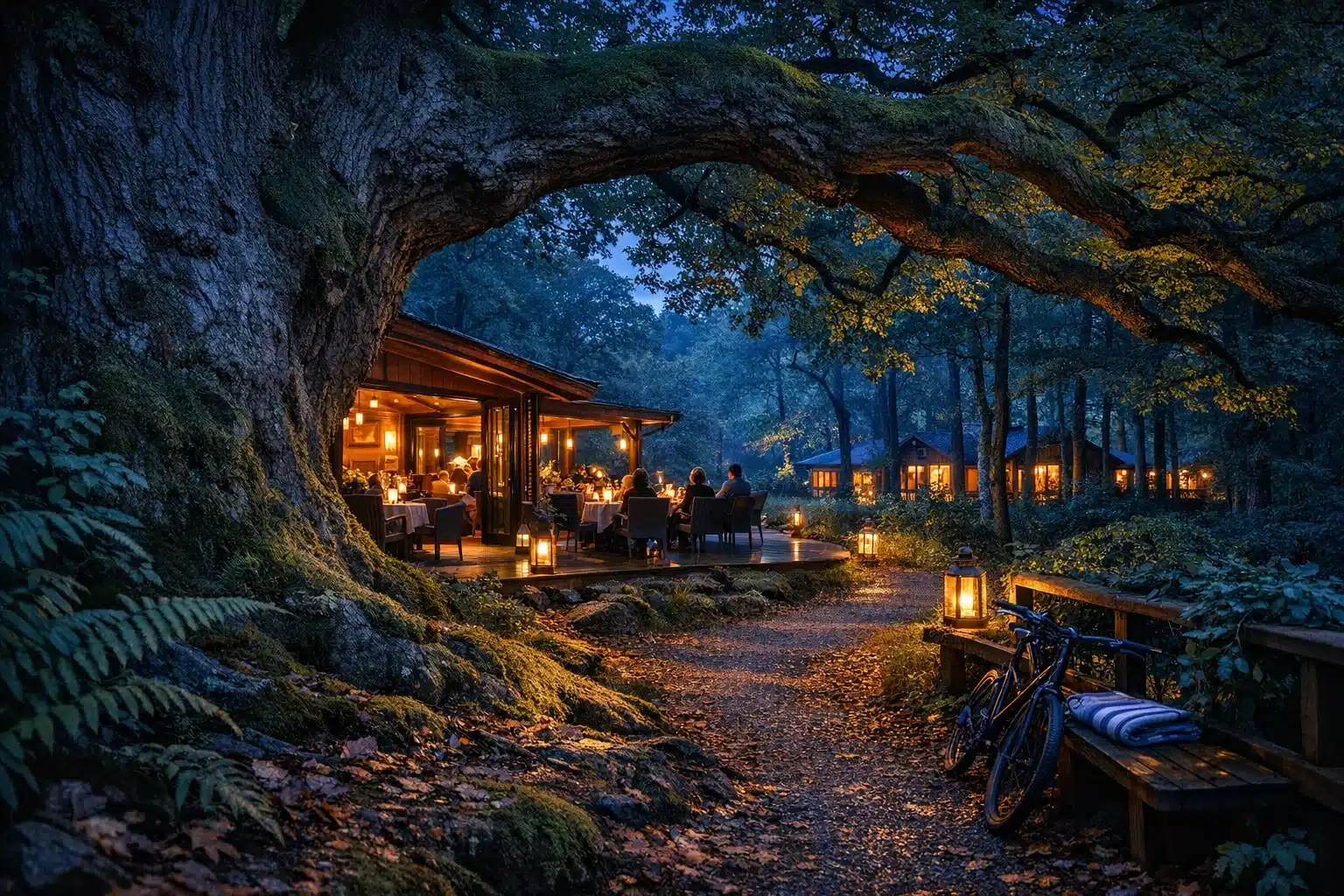
Part of the appeal of Sherwood Forest is emotional rather than purely practical. You are not simply booking a bed in Nottinghamshire; you are stepping into a landscape shaped by oak, legend, and long footpaths that seem to invite a slower pace. Even when the weather is cool and the light is thin, the area has a cinematic quality. Morning mist between trees can make an ordinary coffee feel ceremonial. By afternoon, a family walk or a quiet cycle route can turn the short break into something that feels surprisingly full.
Accommodation in the area varies widely. Some travelers choose a country house hotel with a traditional restaurant, while others prefer a modern holiday village with forest lodges, indoor pools, and activity hubs. For couples, boutique rooms with a view, a good bath, and a calm dining room may define the ideal stay. For families, the priorities are often reversed: space, bunk beds, easy meal options, and enough on-site entertainment to prevent the dreaded phrase “What do we do now?” from appearing every hour.
A typical two-night rhythm usually unfolds in a familiar pattern. On day one, guests arrive in the afternoon, check in, explore the grounds, and settle into the package pace. That first evening tends to be simple by design: dinner, perhaps a drink, maybe live music or a quiz night, then an early sleep after travel. Day two is the heart of the break. This is when most guests combine a proper forest outing with a facility or activity session back at the property.
A realistic sample schedule might include:
- Day 1: Arrival, room check-in, short woodland walk, included dinner
- Day 2 morning: Breakfast, visit to the Major Oak or nearby trails
- Day 2 afternoon: Swimming, bike hire, crafts, or spa time
- Day 2 evening: Second included meal, entertainment, relaxed night in
- Day 3: Breakfast and departure, often after one last stroll or coffee
This structure works because it balances activity with ease. A two-night stay is not long enough to justify an overpacked itinerary, yet it is long enough to benefit from one memorable outing beyond the property itself. Sherwood Forest National Nature Reserve is a natural candidate, particularly for first-time visitors, while nearby villages, heritage sites, and family attractions add variety for returning guests.
The comparison with a city weekend is telling. In a city, movement is constant: museums, restaurants, transport, crowds, and timetables. In Sherwood Forest, the break succeeds when you allow some open space into the schedule. Silence becomes part of the package. So does the luxury of not having to rush toward the next booking.
Food, Facilities, and How the Experience Compares With Other Short Breaks
Food can make or break a two-night stay because it shapes both comfort and value. In an all-inclusive package, travelers often expect abundance, but what matters more in this setting is consistency. A satisfying breakfast, a convenient lunch option, and a well-handled evening meal usually matter more than endless choice. Some Sherwood Forest properties offer buffet service, especially in family-oriented resorts, while others lean toward set menus or a dining allowance used in an on-site restaurant. Neither format is automatically better. Buffets suit households with varied appetites and fussy eaters, while menu-based service can feel calmer and more grown-up for couples.
Breakfast is often the most straightforward win. When it is included, the day starts with less friction and less spending. A good breakfast service usually offers a mix of cooked items, cereals, pastries, fruit, and hot drinks. For a family of four, that inclusion alone can materially change the budget. If breakfast in the surrounding area would otherwise cost £10 to £18 per adult and £5 to £10 per child, the savings quickly become visible across even a short trip.
Dinner is where differences between packages become more noticeable. One property may include a fixed number of courses, while another gives a credit amount that can be spent on the menu. Travelers should check for details such as:
- Whether drinks are part of the meal package
- If children’s menus are included or charged separately
- How dietary requests are handled
- Whether booking dinner times in advance is necessary
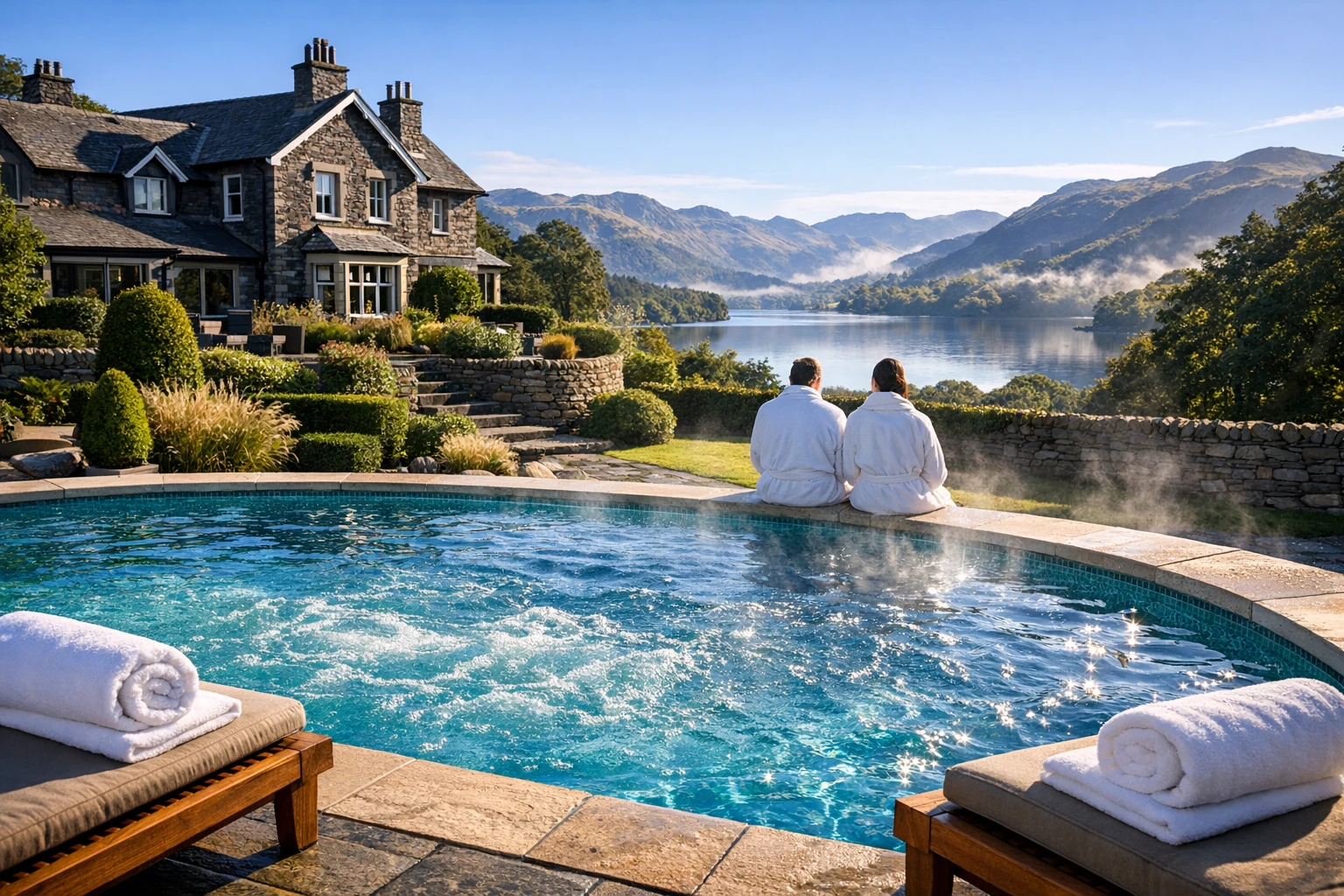
Facilities also play a major role in whether “all-inclusive” feels worthwhile. A property with a warm pool, soft-play area, evening entertainment, and covered activity zones can be excellent during rainy months, which matters in a region where weather can change the mood of the day quickly. For adults, extras such as a spa lounge, treatment rooms, or a quiet bar can elevate a simple stay into a restorative one, though treatments themselves are often charged separately.
Compared with self-catering, the all-inclusive model reduces effort. There is no grocery run, no chopping vegetables in unfamiliar cookware, and no need to decide every meal around opening hours. Compared with a room-only hotel break, it offers stronger cost control. As a rough sample, a couple might find a two-night all-inclusive package priced at around £450 to £650 depending on season and standard of accommodation. A room-only alternative may seem cheaper at first, perhaps £280 to £420, but once breakfast, dinner, drinks, parking, and one or two paid activities are added, the total can close the gap quickly.
In other words, the value is not always about paying less. It is often about paying once, planning less, and enjoying the stay without repeatedly reaching for the wallet.
Activities, Atmosphere, and the Real Experience Beyond the Booking Page
What often sells a Sherwood Forest break online is the image: tall trees, warm lights in lodge windows, and the promise of a weekend that feels detached from normal routine. What determines whether guests leave happy, however, is the lived texture of the stay. That includes noise levels, activity design, crowd patterns, weather backup plans, and the emotional tone created by the place itself. A useful question is not simply “What can we do?” but “What kind of mood does this break support?”
For families, the strongest versions of this holiday offer a blend of movement and convenience. Children can burn energy on trails, playgrounds, pools, sports courts, or supervised sessions, while adults benefit from not having to invent every hour. A well-run activity schedule can turn two nights into a fuller experience than a longer but less organized trip elsewhere. Popular options in forest resorts or nearby venues may include cycling, ranger-style walks, nature talks, mini golf, archery, and seasonal crafts.
Couples usually assess the atmosphere differently. They may care less about the number of activities and more about whether the property has quiet corners, decent dining, and enough privacy to feel restorative. A lodge with a terrace, a hotel with a comfortable lounge, or a spa-equipped venue can transform the same destination into an altogether different kind of break. Sherwood Forest works well in this respect because the setting already supplies part of the experience. Even a simple morning walk can feel gently theatrical when ancient trees and folklore hover in the background.
Weather is an overlooked factor. In summer, outdoor dining, cycling, and long daylight hours expand the sense of value. In autumn, the forest can be spectacular, with copper leaves and cooler air adding drama. Winter stays can feel cozy and atmospheric, especially if the property leans into fireside spaces and evening entertainment. Spring, meanwhile, suits guests who want milder walking conditions and fewer peak-season crowds. Each season changes the tone rather than automatically improving or reducing it.
To judge the likely experience, look for evidence beyond polished marketing images:
- Recent guest reviews mentioning food quality and staff responsiveness
- Clear schedules for included activities
- Information on indoor alternatives during poor weather
- Practical details on walking distances across the site
- Photos that show real room layouts, not just staged highlights
The most satisfying two-night stays usually share one trait: they let guests choose their own tempo. You can fill the day with bike rides and swimming, or you can read, wander, dine, and listen to the wind move through the trees. That flexibility is where the package earns its keep.
Planning Tips and Final Thoughts for the Right Kind of Traveler
If you are considering a two-night all-inclusive Sherwood Forest stay, the smartest approach is to book with clear priorities rather than vague excitement. Start by deciding what success looks like. Do you want a family break with minimal logistics, a romantic countryside reset, or a friendly weekend where no one has to organize meals? The answer will shape the kind of property you should choose far more effectively than any promotional label.
Before confirming a booking, ask a few practical questions. Is the package genuinely full board or partly inclusive? Are activities first come, first served, or reserved in advance? How far is the accommodation from the main restaurant or leisure hub? These details matter more on a short stay because there is less time to recover from minor inconveniences. A ten-minute walk in dry weather may feel charming; the same distance in heavy rain with children and swim bags can feel rather less poetic.
It also helps to pack for flexibility. Even if you expect to spend time indoors, Sherwood Forest invites at least one proper walk, so waterproof layers and comfortable shoes are rarely a bad idea. Families may want swimsuits, spare clothes, and small evening distractions for children. Couples often benefit from keeping one dinner outfit and one fully practical daytime layer. The point is not to overpack, but to avoid being limited by weather or activity choices.
Booking outside peak school holidays can improve both price and atmosphere, especially for adult travelers seeking quiet. Families, on the other hand, may find that peak periods bring the liveliest entertainment schedules and the broadest range of child-friendly programming. There is no universal best time, only the best match between your needs and the property’s strengths.
For many travelers, this kind of break makes sense because it compresses planning without shrinking the feeling of escape. It suits people who want a weekend away to feel smooth, not improvised. It works especially well for:
- Parents who want predictable meal arrangements and built-in activities
- Couples looking for a low-stress countryside retreat
- Friends who prefer shared experiences over constant budgeting decisions
- First-time visitors to the area who want a simple base with extras included
In the end, a two-night all-inclusive Sherwood Forest stay is best for travelers who value atmosphere, convenience, and a gentle sense of occasion. It will not suit those who prefer total spontaneity, ultra-luxury service, or a packed sightseeing agenda. For everyone else, it offers a well-balanced formula: a famous woodland setting, most essentials arranged in advance, and just enough adventure to make Monday feel far away. If that sounds like your kind of weekend, the forest may be closer to the right answer than you think.