2-Night All-Inclusive Lake District Spa Retreat: What to Expect
Outline and Why a 2-Night Spa Retreat Works So Well
A 2-night all-inclusive spa retreat in the Lake District appeals because it compresses rest, scenery, and practical simplicity into one manageable break. Instead of spending days planning meals, treatment slots, and local transport, guests can settle into a rhythm that feels restorative almost from arrival. For busy professionals, couples, and anyone edging toward burnout, that combination of structure and calm makes the trip feel both indulgent and sensible.
Before looking at menus, massage rooms, and mountain views, it helps to outline what this kind of article needs to answer. Most travelers considering a short wellness trip are trying to solve the same set of questions. They want to know what “all-inclusive” really means in a British spa setting, how much time they will actually spend relaxing, whether two nights is long enough to feel worthwhile, what sort of food and downtime fill the gaps between treatments, and which type of guest gets the best return from the package. The sections that follow are built around those decisions, so the guide moves from broad expectations to practical detail.
- What is usually included in a 2-night all-inclusive package
- How arrival, check-in, spa access, and treatment schedules typically unfold
- What dining, scenery, and local activities add to the experience
- How to compare packages and identify real value
- Who this type of retreat suits best and how to book with confidence
The Lake District is especially relevant because the setting does part of the work. A city spa can deliver convenience, and a countryside manor can offer seclusion, but the Lakes combine water, fells, woodland roads, and old stone villages in a way that naturally slows the pace. Even before a robe is tied or a treatment menu is opened, the destination begins shaping expectations. A two-night stay also hits a practical sweet spot. One night can feel like a dash between check-in and check-out, while three or more nights require more annual leave, more budget, and more coordination. Two nights usually gives guests an arrival afternoon, a full day on property, and a final morning that can still include breakfast, a swim, or a quiet walk. In short, it is long enough to reset your breathing, but short enough to fit real life.
What “All-Inclusive” Usually Means in the Lake District
One of the most important things to understand is that “all-inclusive” on a Lake District spa retreat rarely mirrors a beach resort model where every drink, snack, and activity is unlimited. In the UK wellness market, the phrase is more often used to describe a bundled stay where the essential parts of the experience are priced together. That typically means accommodation for two nights, breakfast on both mornings, dinner on one or both evenings, use of the spa and leisure facilities, and at least one treatment per guest. Some packages add lunch, a cream tea, prosecco on arrival, or access to a thermal suite. Others include a set allowance toward the treatment menu rather than a fixed massage or facial.
This matters because package language can make two offers sound similar when they are not. A strong all-inclusive deal usually covers the elements most people would buy anyway. A weaker one may highlight welcome drinks and decorative extras while charging separately for key parts such as premium treatments, use of the outdoor hydro pool, or dinner supplements in the main restaurant. Reading the detail is less glamorous than picturing yourself by a lake at sunset, but it is where value becomes visible.
- Accommodation for two nights in a standard or upgraded room
- Breakfast each morning, often buffet plus cooked options
- Dinner included on one or both evenings, sometimes with an allowance per person
- Spa access, which may cover pool, sauna, steam room, and relaxation areas
- One treatment, treatment credit, or a defined treatment package
There is also a useful comparison between room-only, half-board, and spa-inclusive stays. Room-only can suit independent travelers who want to eat out in nearby towns such as Windermere, Ambleside, or Keswick, but it often becomes less relaxing once bookings, transport, and extra spend are added back in. Half-board is a comfortable middle ground, especially for guests who care more about food and views than treatments. The all-inclusive spa model stands out because it removes friction. You are not constantly making small decisions about where to go, what to reserve, or how much each add-on costs.
From a budgeting point of view, that predictability can be more valuable than abundance. Guests often assume the point is luxury alone, yet convenience is just as important. Knowing that dinner is already arranged after an afternoon in the thermal suite changes the emotional texture of the break. The stay begins to feel less like a trip to manage and more like a pause you can finally inhabit.
Arrival, Spa Facilities, and the Rhythm of the Stay
The flow of a 2-night spa retreat is part of its appeal, and the best properties design the stay almost like gentle choreography. Arrival day often begins with a drive through narrow roads edged by dry-stone walls, or a rail journey followed by a short taxi ride past water and hills that seem to arrive in layers. Check-in times vary, but many hotels allow spa access before the room is ready or after checkout on departure day. That small detail can make the break feel materially longer. If standard check-in is around mid-afternoon and checkout is late morning, a smart package can still provide roughly 36 to 48 hours of usable leisure time across the stay.
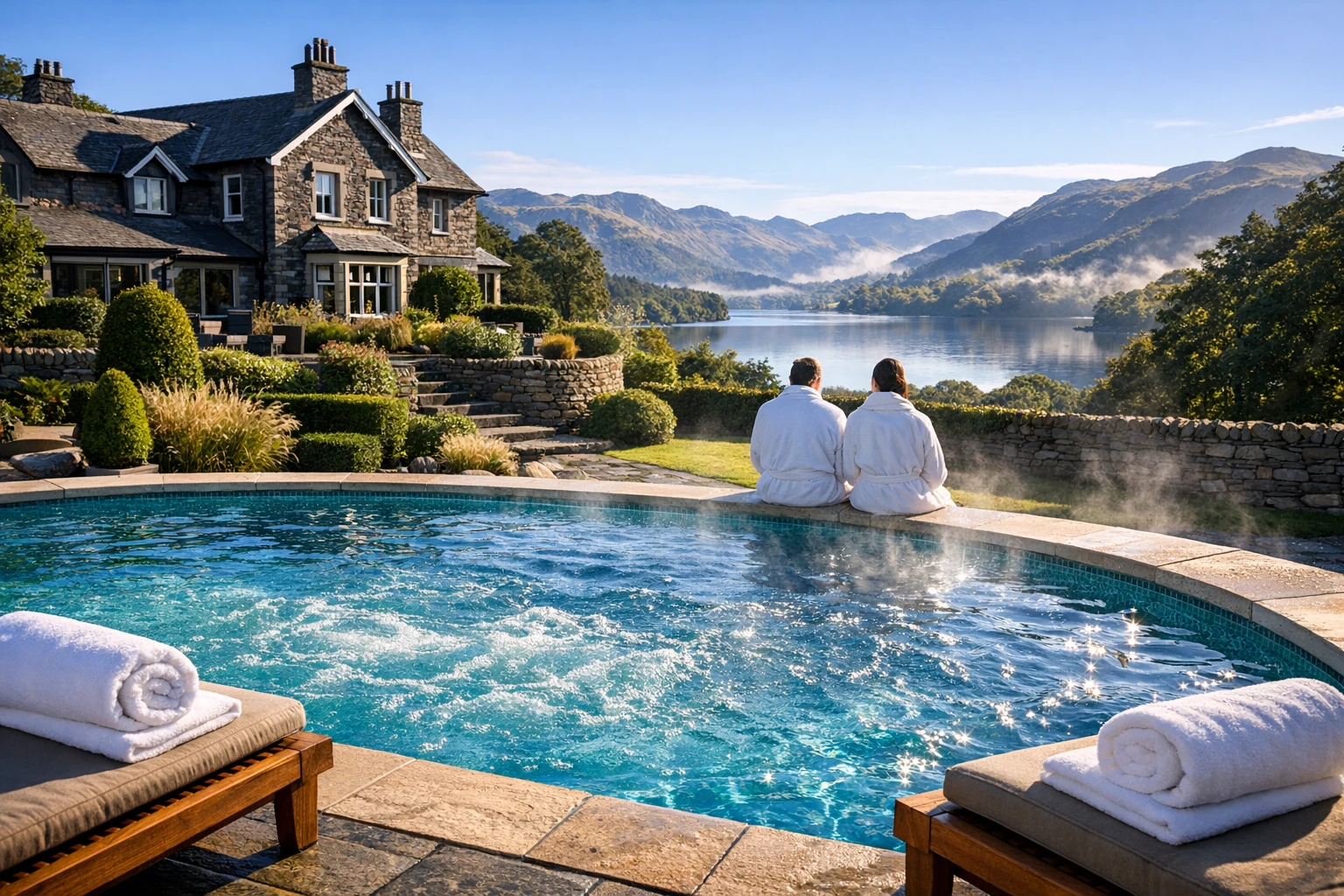
Facilities differ by property tier, yet several core features appear again and again. Most Lake District spa hotels include an indoor pool, sauna, steam room, changing facilities, loungers, and one or more treatment rooms. Higher-end retreats may add an outdoor hydrotherapy pool, lake-view hot tubs, experience showers, herbal saunas, salt inhalation rooms, or private relaxation lounges. The contrast between warm water and cool Cumbrian air is one of the memorable pleasures of the region. Step out to an open-air pool when mist hangs over the surrounding hills and the whole experience feels cinematic without trying too hard.
Treatments are usually scheduled in advance, and that is where planning matters. The most common options include:
- Back, neck, and shoulder massage
- Full body massage
- Express or full facial
- Manicure or pedicure
- Pregnancy treatments at selected properties
If the package includes only one treatment, many guests choose something restorative rather than cosmetic, especially on a short break. A massage or facial tends to anchor the trip more effectively than a beauty service because it changes how the rest of the day feels. It is also wise to check timing. A midday treatment leaves space for a swim before lunch and reading afterward, whereas a late slot can become the soothing final note before dinner.
Compared with a day spa, the overnight version offers something far more valuable than extra hours in a robe: continuity. You are not returning to traffic or answering emails in the car park. Instead, you drift from thermal suite to room, from herbal tea to evening meal, from soft lighting to sleep. That uninterrupted sequence is often what guests are really paying for. The treatment itself may last 50 minutes, but the sense of calm can stretch across the entire stay when the environment supports it.
Dining, Scenery, and What Fills the Hours Between Treatments
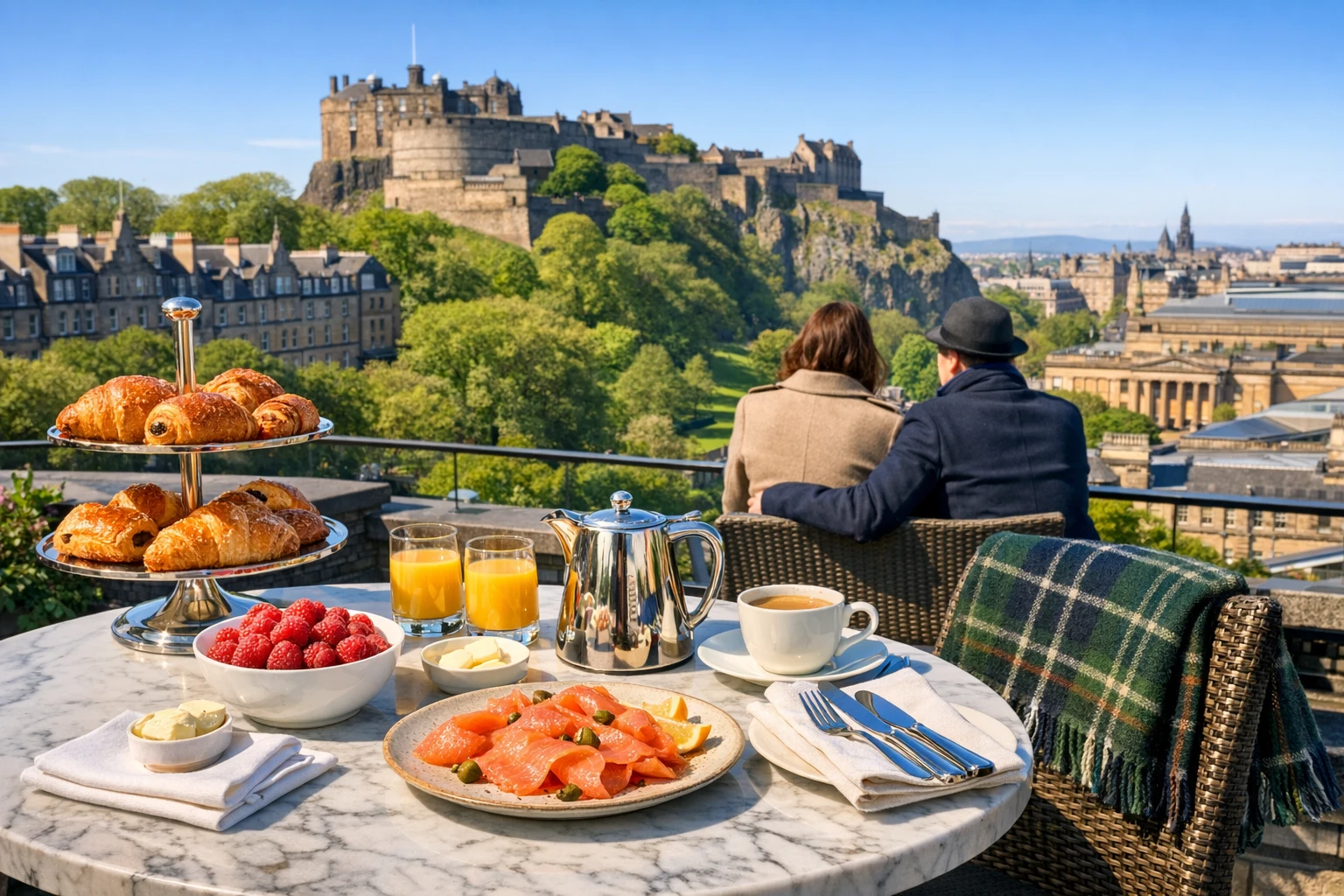
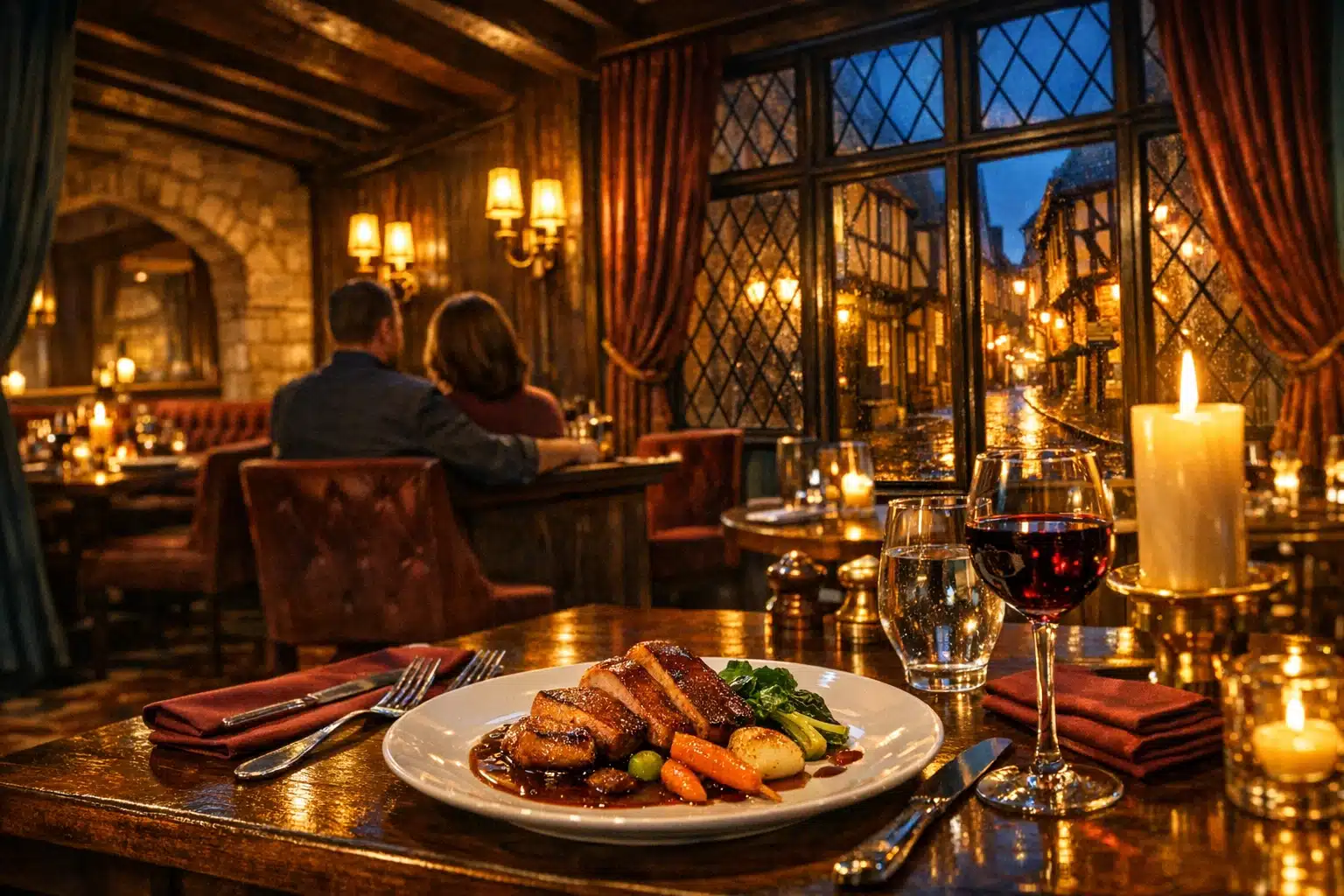
A successful spa retreat depends on more than treatment rooms. Much of the guest experience unfolds in the spaces between scheduled moments, and this is where the Lake District has a built-in advantage. A good package gives enough structure to feel looked after, while leaving enough open time to breathe. Breakfast might be long and unhurried, with fruit, pastries, eggs, and strong coffee taken near a window facing trees or water. Lunch, if included, may be lighter: soup, salad, a sandwich, or small plates designed not to weigh down an afternoon in warm facilities. Dinner often becomes the social centerpiece, especially for couples or friends who want a sense of occasion without needing to leave the property.
Food quality can vary widely, so it is worth noting how spa hotels position their dining. Some offer refined seasonal menus with local lamb, fish, root vegetables, and regional cheeses. Others take a broader hotel approach with familiar crowd-pleasers and flexible set menus. Neither model is automatically better; it depends on why you are going. If the retreat is primarily about rest, a generous and dependable restaurant may serve you better than a highly formal dining room with long tasting menus. On a short trip, ease matters.
The landscape also changes how guests use their downtime. In a city hotel, free hours often get swallowed by shopping or logistics. In the Lake District, leisure tends to become quieter and more elemental. Guests may choose:
- A short lakeside stroll after breakfast
- Time on a terrace with tea and a book
- A gentle walk through nearby woodland or village streets
- A brief scenic drive before returning for an afternoon treatment
This is where a two-night retreat proves its worth. Day one eases you out of ordinary routine. Day two lets you properly inhabit the place. By the second morning, the mind has usually stopped racing ahead. You notice small things instead: the muted clink of cups in the breakfast room, rain moving across a ridge, the sudden brightness after clouds break over the lake. Those sensory details are not extras; they are part of the wellness effect.
Season also matters. Winter stays can feel cocooning and atmospheric, with firelit lounges and dramatic weather outside. Spring brings fresh color and longer evenings. Summer offers extended daylight and fuller village life, though often with more visitors. Autumn may be the most balanced choice for many guests, combining crisp air, rich scenery, and a calmer mood than peak season. In every case, the best retreats understand that relaxation is not created by treatments alone. It is built from food, silence, pacing, and place.
Conclusion: Who This Retreat Suits Best and How to Book Smart
A 2-night all-inclusive Lake District spa retreat is best viewed as a high-quality short reset rather than a grand transformation. It suits travelers who want to feel meaningfully restored without committing to a week away. That includes couples looking for an easy romantic break, friends wanting comfort without complicated planning, solo guests who need quiet more than entertainment, and busy workers trying to recover from long weeks before fatigue becomes their normal setting. It can also work well as a gift experience, provided the package offers flexible dates and clear inclusion terms.
The strongest booking decisions usually come from matching the package to the mood of the trip. If your priority is deep relaxation, look for generous spa access, a calm adults-focused atmosphere if available, and treatment times spread sensibly across the stay. If food matters most, study restaurant reviews and menu style before focusing on room upgrades. If scenery is central, a property near a lake, elevated viewpoint, or quieter village may outweigh a longer treatment list. The right retreat is not always the one with the most features; it is the one where the features align naturally with how you want to spend your hours.
- Check whether dinner is fully included or covered by a fixed allowance
- Confirm whether spa access applies on arrival and departure days
- Book treatments early, especially for Friday and Saturday stays
- Ask about robe hire, parking, and late checkout options
- Compare midweek and weekend rates, as midweek is often calmer and better value
It is also wise to be realistic about “all-inclusive.” In this context, the phrase usually signals convenience, not endless indulgence. That is not a drawback. In fact, for many guests, the appeal lies precisely in the balance: enough included to feel easy, enough freedom to shape the break around your own energy. You may spend one afternoon in the thermal suite and another walking near the water. You may have a massage, a long dinner, and the rare pleasure of nowhere urgent to be.
For the target traveler, the real promise of this kind of retreat is not extravagance for its own sake. It is the chance to step briefly out of decision-heavy routine and into a setting where comfort has already been arranged. If that sounds less like escape fantasy and more like practical relief with a beautiful view, then a 2-night Lake District spa break is likely to feel not only enjoyable, but genuinely well chosen.