2-Night All-Inclusive Sherwood Forest Stay: What’s Included & Is It Worth It?
A short break in Sherwood Forest answers a very modern craving: less noise, fewer decisions, and a landscape that swaps traffic for trees, footpaths, and birdsong. For couples, families, or friends with limited time, a two-night inclusive retreat can feel surprisingly restorative because the budget is easier to predict and the pace is kinder from the moment you arrive. That blend of comfort, scenery, and convenience makes this kind of weekend escape especially relevant now.
Outline:
– Why Sherwood Forest works so well as a forest escape
– What a two-night all-inclusive or inclusive stay usually contains
– How to judge whether the package is truly worth the cost
– What to check before booking so the retreat suits your needs
– Who benefits most from this style of countryside weekend
Why Sherwood Forest Works So Well for a Weekend Retreat
Sherwood Forest has a particular kind of appeal that suits the rhythm of a short break. It is not simply a place name linked to legend; it is also the kind of landscape that helps people slow down quickly. Ancient woodland, open walking routes, wildlife, and quieter rural surroundings create a contrast that urban routines rarely offer. That contrast matters. When people only have two nights away, the location has to deliver atmosphere almost immediately. A city break can be exciting, but it often comes with parking stress, crowded streets, queues, and a schedule that fills up before the mind has even caught its breath. A forest retreat works differently. The experience begins with the setting itself.
A growing body of research around green spaces suggests that time spent in nature can support lower stress levels, better mood, and improved mental restoration. You do not need a scientific paper in hand to notice why. A woodland morning feels different from a commute. The soundscape changes first, then the pace of your own thinking. In Sherwood Forest, even a simple walk before breakfast can feel purposeful rather than passive. That is one reason weekend retreats here continue to appeal to busy travellers who want rest without committing to a long holiday.
The two-night format also suits the area. It is long enough to settle in, enjoy a proper meal, take part in an activity, and still leave with the sense that you have actually been away. A one-night stay can feel compressed. Three or four nights are wonderful if time allows, but many people want something realistic they can fit between work commitments, school routines, or family obligations. Sherwood Forest sits comfortably in that middle ground.
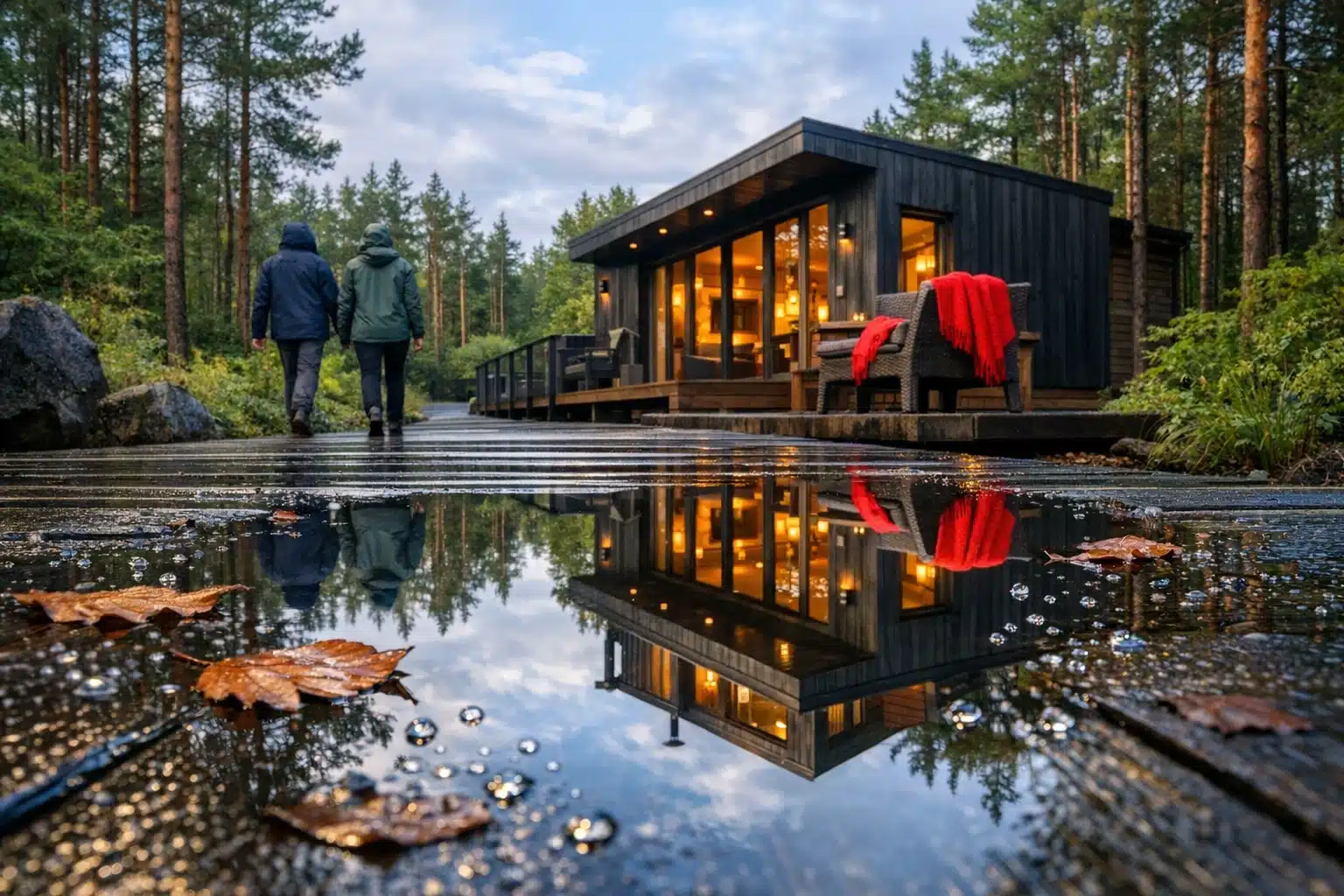
There is also seasonal flexibility. In spring and summer, visitors often focus on walking, cycling, outdoor play, and longer evenings. In autumn, the woodland becomes more atmospheric, with copper leaves and cooler air that makes hot drinks feel earned. Winter changes the mood again. A frosty path, an indoor pool, a warm dining room, or a lodge with soft lighting can turn the whole trip into a calm reset. That year-round usefulness gives Sherwood Forest an advantage over destinations that depend heavily on one season or one signature attraction.
Put simply, the setting does a lot of the work. When people speak about a forest escape, they are usually describing more than trees. They are talking about permission to pause, to wander without urgency, and to spend a weekend in a place that feels pleasantly removed from the usual demands of daily life.
What a 2-Night All-Inclusive Stay Usually Includes
The phrase all-inclusive can mean different things depending on the property, so it is worth unpacking the details instead of relying on the headline alone. In the context of a two-night Sherwood Forest stay, an inclusive package often combines accommodation with meals and access to a range of on-site or nearby activities. The practical appeal is easy to understand: Enjoy a stress-free Sherwood Forest getaway with meals, activities, and countryside charm bundled into one relaxing short break. That promise captures the appeal well, but travellers should still read the fine print so the reality matches expectations.
Most packages begin with the essentials. You are normally paying for:
– two nights of accommodation
– breakfast on both mornings
– one or two evening meals
– access to shared facilities such as pools, play areas, gardens, or lounges
– selected activities, either included outright or offered at a discounted rate
Accommodation can vary widely. Some stays are based in hotel-style rooms with easy access to restaurants and communal spaces. Others use lodges, cabins, or self-contained woodland accommodation that offer more privacy and a stronger sense of immersion. Neither model is automatically better. A hotel-style setup may suit travellers who want convenience and minimal fuss, while a lodge can work better for families, small groups, or guests who want more room and a quieter base.
Meals are often where perceived value rises sharply. Breakfast included in the package reduces the need to search for food each morning, which matters more than many people expect on a short stay. Evening meals also help turn the trip into a genuine retreat instead of a series of logistical decisions. However, it is worth checking whether drinks, snacks, children’s menus, or premium dining options are extra. A package that looks generous at first glance may still involve add-on spending.
The best inclusive stays also think beyond price and consider actual usability. That means clear dietary information, family-friendly meal timings, and some attention to accessibility. For example, can vegetarian, vegan, gluten-free, or allergy-aware meals be arranged easily? Are there step-free routes? Are activities suitable for different ages and energy levels? Inclusive should not only mean bundled; it should also mean practical for a range of guests.
Look for clarity in the wording. If a package says activities are included, find out whether that means unlimited access, one session per guest, or a pre-selected timetable. The strongest offers are transparent. They tell you what is included, what needs pre-booking, and where extra charges may appear. That honesty is often the difference between a smooth weekend and a mildly frustrating one.
Is It Worth It? Comparing Cost, Convenience, and Overall Value
Whether a two-night all-inclusive Sherwood Forest stay is worth it depends less on the headline price and more on what kind of traveller you are. Some people compare package costs only against the cheapest room they can find online, which is rarely a fair comparison. A better method is to compare total trip cost. Once you add accommodation, breakfasts, dinners, parking, fuel, activities, and the inevitable small purchases made along the way, a DIY weekend can end up much closer in price to an inclusive package than it first appears.
Consider a simple example. A couple booking independently may pay separately for:
– room rate for two nights
– breakfast both mornings
– dinner on one or two evenings
– parking or transport
– one paid activity each
– coffees, snacks, or convenience spending caused by being off-site at key times
Individually, none of those costs look dramatic. Together, they often reshape the budget. This is where an inclusive stay can represent good value, especially for guests who want predictability. Not everyone wants to spend part of a weekend checking restaurant availability, calculating whether an activity is worth the extra fee, or driving elsewhere because a meal option fell through. Time has value too, particularly on a short break.
That said, an inclusive stay is not automatically the better deal for every visitor. Travellers who prefer total flexibility may feel constrained by set meal windows or pre-arranged activity schedules. If you already know you want to explore several off-site attractions, eat in independent restaurants, or spend long stretches away from the property, then part of what you are paying for may go unused. In that case, the package can feel less efficient than building your own itinerary.
Value also depends on the quality of what is included. Two mediocre meals do not equal value simply because they are bundled. A package becomes attractive when the included elements are things you would genuinely choose on their own: comfortable accommodation, decent food, enjoyable activities, and a setting that supports the experience rather than merely decorating it. Reviews can help here, especially comments about food quality, staff helpfulness, cleanliness, and whether the itinerary felt rushed.
One overlooked advantage is mental convenience. A forest weekend is often chosen as an antidote to overload. If the package reduces decision fatigue, that benefit is real, even if it does not appear on a receipt. For busy parents, professionals, or anyone arriving already tired, a smooth and mostly pre-arranged stay can be worth paying a little more for. In practical terms, the best answer is this: it is worth it when the package fits how you actually travel, not how you imagine an idealised weekend should look.
How to Choose the Right Inclusive Stay and Make the Most of It
Choosing well matters just as much as choosing cheaply. Two stays with similar prices can deliver very different experiences, especially in a destination where the setting is part of the attraction. Before booking, start with your real priorities. Do you want quiet and privacy, or do you want a lively resort atmosphere with plenty happening on-site? Are you travelling as a couple, with children, with older relatives, or with friends who all have different energy levels? The right package should make the weekend simpler, not force everyone into the same pattern.
A good way to evaluate an offer is to look at it through five practical filters:
– accommodation style and space
– meal quality and flexibility
– activity variety
– accessibility and inclusivity
– likely extra costs
Accommodation style affects the entire mood of the trip. A compact room may be perfectly fine for a couple planning to be outdoors most of the time, but a family or group may need a lodge layout, separate sleeping areas, or kitchen basics for convenience. Meal quality matters just as much. Check whether the package includes full breakfasts or lighter options, buffet or set menus, and whether dietary requests are straightforward rather than treated as an afterthought.
Activities deserve a closer look than the brochure usually gives them. Ask whether they are weather-dependent, age-limited, or available only at specific times. A two-night weekend moves quickly, so timing matters. If the only included activity takes place early on arrival day, late arrivals may miss a benefit they effectively paid for. Likewise, if children’s activities are included but need advance booking, parents should secure those slots before travelling.
This is also where the idea of an inclusive stay becomes broader and more meaningful. A genuinely welcoming retreat thinks about different bodies, preferences, and needs. Step-free access, accessible bathrooms, quiet areas, clear signage, dietary accommodation, child-friendly facilities, and staff who can explain options clearly all contribute to whether the experience feels easy. For some guests, those details matter more than a flashy extras list.
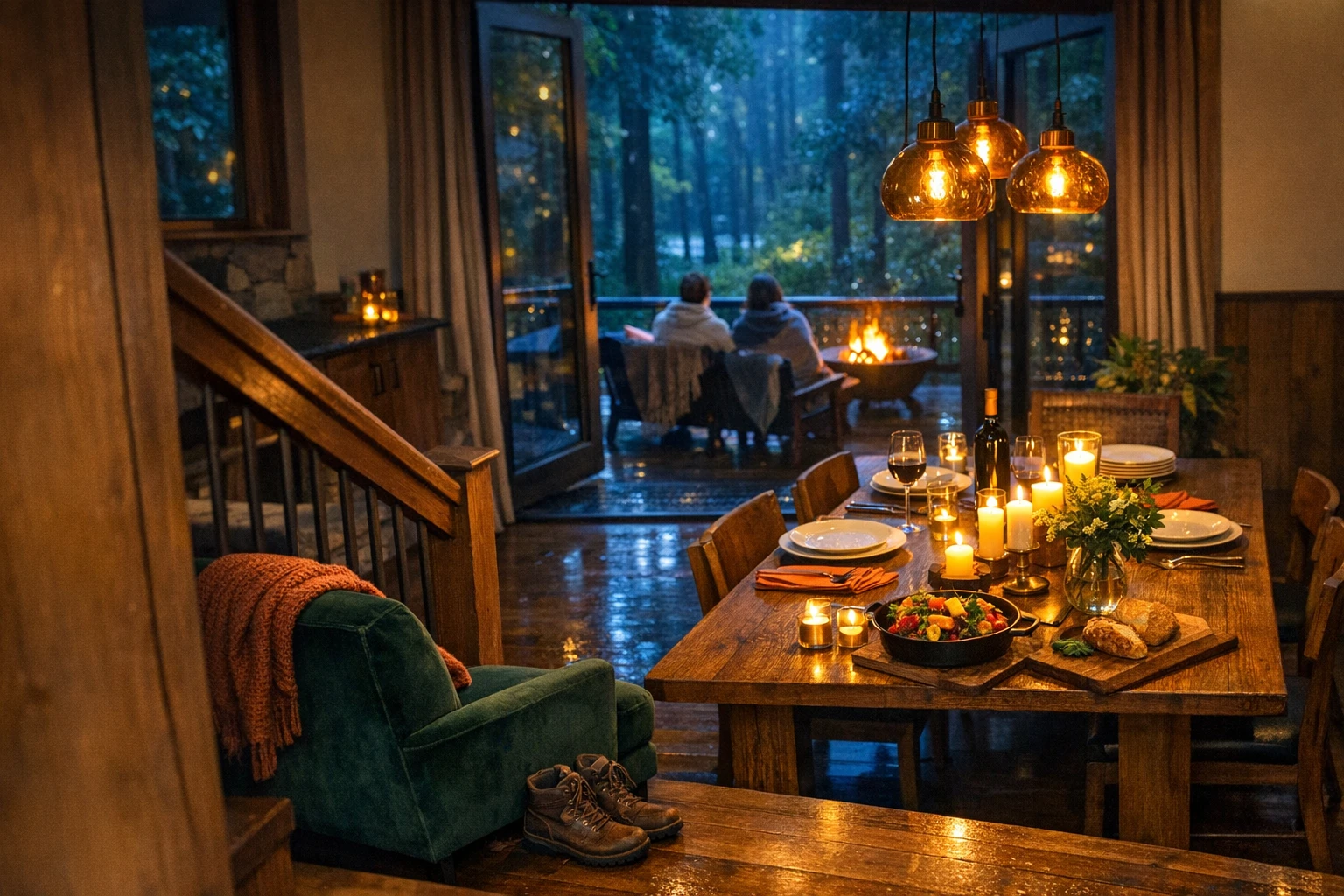
To make the most of the stay, keep the schedule balanced. It is tempting to fill every hour, but that can defeat the point of a weekend retreat. Leave room for unplanned time: a slow breakfast, an extra walk, an afternoon reading by a window while rain taps on the glass. Pack for layered weather, comfortable footwear, and at least one slightly smarter outfit if dinner feels more formal. Most of all, choose a package that matches the kind of rest you actually enjoy. Some people recharge through activity; others need stillness. Sherwood Forest can support both, but only if the booking reflects your own version of a good weekend.
Conclusion: Who Will Get the Most from a 2-Night Sherwood Forest Stay?
For the right traveller, a two-night inclusive stay in Sherwood Forest can be an excellent use of both time and money. It suits people who want a short escape with a clear beginning, a restful middle, and an easy finish. Couples often appreciate the way a package removes small decisions and creates more space for conversation, walking, dining, and simply being elsewhere for a while. Families benefit when meals and activities are already built into the stay, because that structure reduces friction and helps the weekend feel manageable rather than chaotic. Small groups of friends can also get strong value, especially when shared accommodation and on-site options make organising the trip less complicated.
This type of break is especially appealing for guests who want convenience without giving up atmosphere. Sherwood Forest offers the scenery and mood that make a short retreat feel worthwhile, while an all-inclusive structure can provide the practical support needed to enjoy it properly. When the package is transparent and well designed, it does more than save money in isolated areas. It creates ease. That can be the real luxury on a weekend away.
Still, it is not the ideal choice for everyone. Travellers who prefer highly personalised schedules, independent dining, late-night city energy, or constant movement between attractions may find a package too structured. In those cases, a self-planned stay may offer better freedom. The key is matching the format to the purpose of the trip. If your goal is to decompress, keep spending predictable, and enjoy a woodland setting without overthinking every detail, the inclusive model has a lot going for it.
For busy readers considering their next forest escape, the smartest approach is simple: compare what is included, check the likely extras, and decide how much you value convenience. If the accommodation is comfortable, the meals are solid, the activities are genuinely usable, and the environment helps you unwind, then a two-night Sherwood Forest retreat can be more than worth it. It can be the kind of weekend that feels longer than it was, which is usually the clearest sign that you chose well.