2-Night All-Inclusive Sherwood Forest Stay: Is It Worth It?
A two-night break in Sherwood Forest sounds simple, yet the real appeal goes beyond a cabin and a change of scenery. Travelers are increasingly looking for short stays that feel restorative, easy to budget, and rich enough to justify leaving home for the weekend. That makes the idea of an all-inclusive forest escape especially relevant. When meals, activities, and quiet time in nature come together well, even a brief stay can feel surprisingly complete.
Outline:
- Why a forest retreat feels different from a standard weekend trip
- How an inclusive escape supports comfort, access, and easier planning
- What bundled meals and activities add to the overall experience
- Whether the price delivers genuine weekend value
- Which travelers are most likely to enjoy a 2-night Sherwood Forest stay
Why a Forest Retreat Feels Different from a Standard Weekend Away
A forest retreat changes the rhythm of a short break in ways that a city hotel or roadside stay usually cannot. On a typical weekend trip, much of the experience can disappear into logistics: checking train times, finding a dinner reservation, deciding what to do in a crowded town center, and spending more money than expected on small extras. A woodland setting tends to simplify the emotional side of travel. The trees do some of the work that expensive design often tries to imitate. They soften noise, slow attention, and make even a brief walk feel like an event rather than a gap between activities.
This matters because a two-night stay is short. If the first evening is lost to planning and the second day is scattered across unrelated bookings, the weekend can feel thin. A forest-based break often works better for limited time because the destination itself is part of the entertainment. Walking trails, lakeside paths, bike hire, birdlife, quiet viewpoints, and cabin terraces create small moments of interest without the need for a packed schedule. Instead of chasing attractions, guests can settle into a place where the setting is already the main draw.
There is also a practical advantage. Short breaks are most satisfying when travel effort matches the reward. For many people in the UK, Sherwood Forest is associated with accessible countryside, well-known woodland scenery, and a sense of stepping into a greener, calmer pocket of the country without committing to a long holiday. That makes it particularly appealing for:
- Couples who want a low-pressure reset
- Parents looking for fresh air and built-in entertainment
- Friends who want time together without complex planning
- Busy workers who need a weekend that feels distinct from home
Of course, a forest retreat is not automatically better than every other kind of escape. Bad weather can limit outdoor plans, and some travelers prefer museums, nightlife, or restaurant hopping. Still, for people who want rest, manageable structure, and a sense of place, a wooded setting often offers stronger emotional value per hour than a standard overnight stay. That is why the format has become more relevant: it suits modern travelers who want less friction and more atmosphere from a short window of time.
The Meaning of an Inclusive Escape: Simplicity, Access, and Comfort
The phrase all-inclusive can sound overly familiar, but in a forest setting it often means something more practical than flashy. It is less about endless consumption and more about removing friction. An inclusive escape works well when key parts of the trip are already connected: accommodation, meals, activities, and shared spaces are organized so guests do not have to build the weekend piece by piece. For travelers who are short on time, that convenience can be a real benefit rather than a luxury extra.
Budget clarity is one of the biggest reasons this model appeals. When travelers book a basic stay and add everything later, the final cost can drift upward quickly. Food, parking, equipment hire, activity tickets, and impulse spending often look small on their own but accumulate fast over two days. A bundled option does not always mean the lowest headline price, yet it can offer stronger overall control. Knowing the likely spend before arrival reduces the mental arithmetic that often shadows short leisure trips.
An inclusive format can also be more welcoming for groups with different needs. A couple may want a quiet dinner and a walk. A family may need flexible meal times and easy access to things that keep children busy. Older guests may value nearby facilities rather than long transfers between venues. Friends may like having enough on site to fill the day without splitting up. When the package is thoughtfully structured, everyone can participate at their own pace rather than negotiating every detail from scratch.
In practical terms, a good inclusive escape often delivers:
- Predictable costs before travel begins
- Less time spent researching separate bookings
- On-site or nearby activities that reduce transport stress
- A smoother experience for mixed-age or mixed-interest groups
That does not mean every inclusive stay is equally strong. Quality depends on the accommodation standard, how varied the activities are, whether meals feel satisfying instead of generic, and how easy the site is to navigate. The best versions create freedom through structure. You arrive, unpack, breathe a little deeper, and feel that the weekend has already started. That is a different kind of comfort from luxury alone. It is the comfort of not having to assemble your relaxation one decision at a time.
Meals, Activities, and the Pull of a Bundled Forest Experience
The true test of a two-night package is what fills the hours between arrival and departure. A room in the woods may look attractive online, but the lived experience depends on how well food, leisure, and downtime fit together. This is where bundled stays often stand or fall. If meals are convenient, activities are varied, and the pace feels natural, guests tend to feel they got a complete break rather than simply a place to sleep.
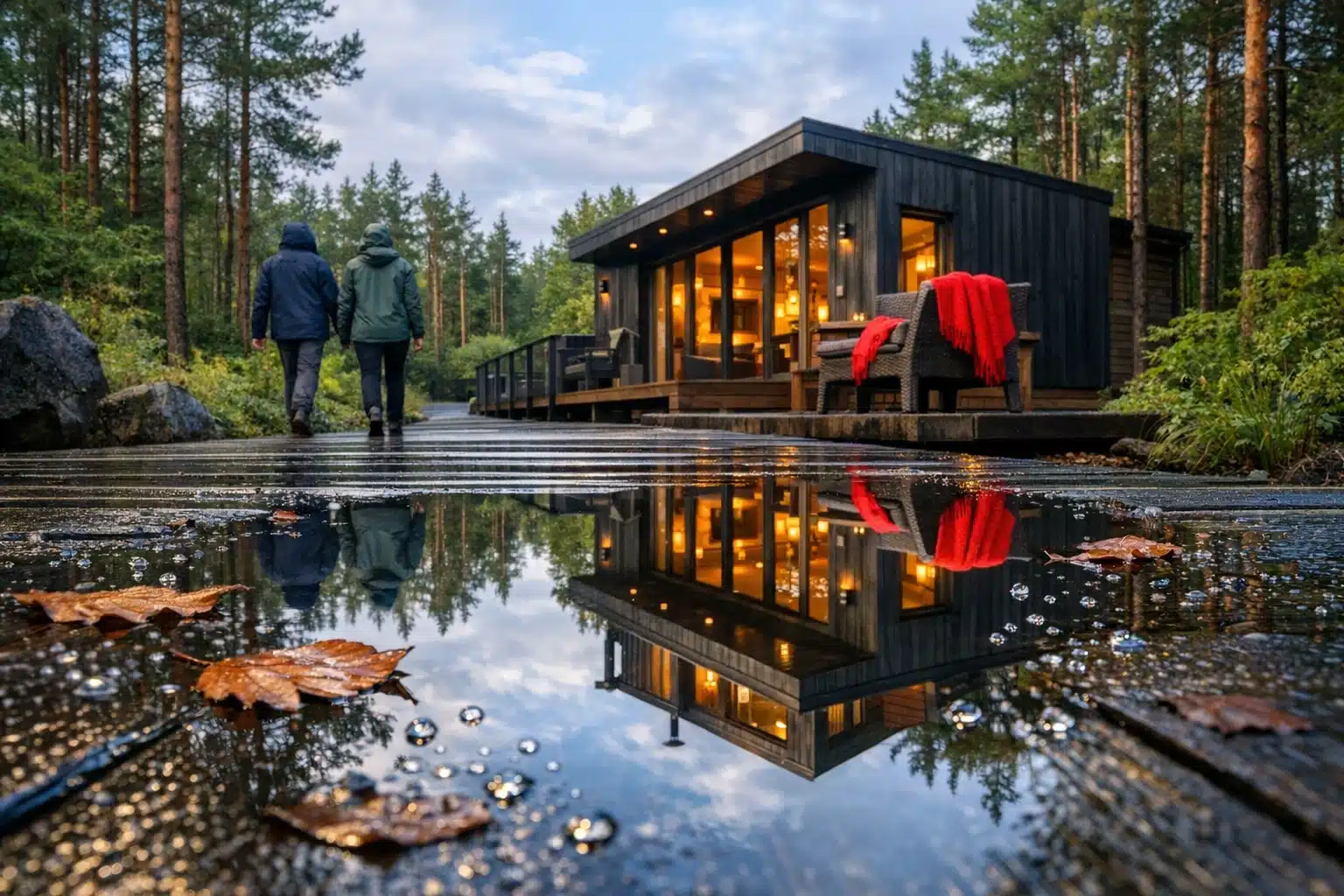
Enjoy a relaxing Sherwood Forest getaway with meals, activities, and nature-inspired experiences bundled into one easy stay.
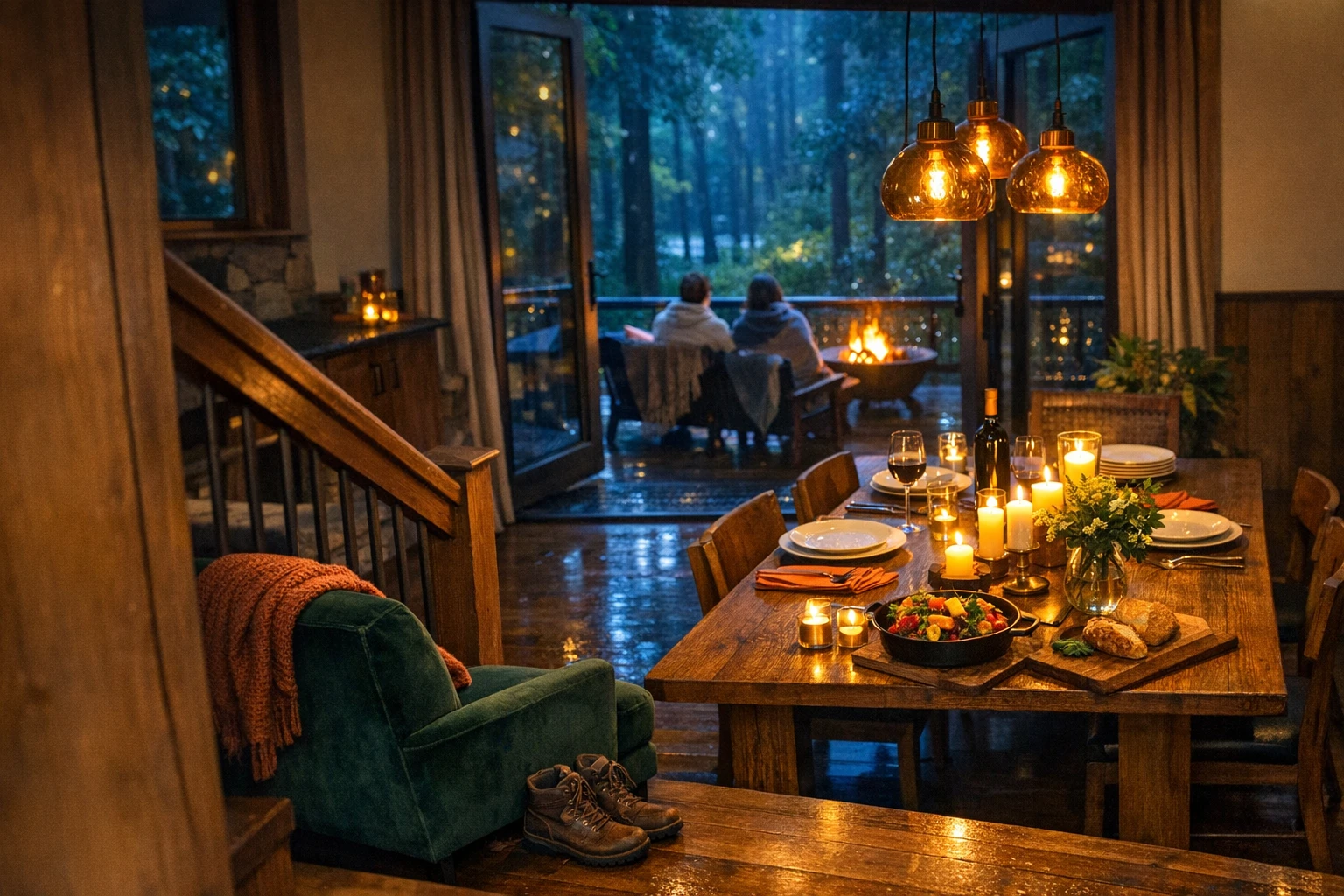
That sentence captures the appeal neatly because bundled experiences reduce the awkward gaps that can weaken a short trip. Imagine arriving on a Friday evening after work. If dinner is already accounted for, the first night begins with less hassle. If the next day offers a choice between a woodland walk, a swimming session, light sports, craft activities, or simple time on a private terrace, the day can develop organically. People can do more, or deliberately do less, without feeling they have wasted the booking.
Meals deserve particular attention because food can either anchor a getaway or complicate it. On a do-it-yourself weekend, travelers may need to shop, cook, clean, or drive out for every meal. That can suit some guests, especially those who enjoy self-catering and full independence. But for others, included dining creates breathing room. Breakfast becomes an easy start instead of a task. Dinner feels like part of the experience instead of another item to coordinate. Even a modest meal can feel more valuable when it protects time and energy.
Activities add value when they offer choice rather than pressure. The strongest packages usually include a mix of low-energy and higher-energy options, such as:
- Forest walks or guided nature routes
- Swimming or wellness facilities
- Cycling, games, or light adventure activities
- Seasonal entertainment for families or groups
The important point is not whether every option is used. It is whether the options create possibility. A weekend in nature should not feel over-programmed, yet it should offer enough structure that guests never feel stranded. When meals and activities are well balanced, the stay gains a satisfying shape: arrival, settling in, exploring, pausing, eating well enough, and leaving with the sense that the time was fully lived.
Weekend Value: Cost Comparison, Hidden Savings, and Real Trade-Offs
Whether a 2-night all-inclusive Sherwood Forest stay is worth it depends less on the advertised price alone and more on what the price replaces. Travelers often compare a package against the cheapest possible self-planned break, but that is not always the most useful comparison. A fairer method is to compare like with like: similar accommodation quality, a realistic food budget, paid activities, fuel or parking, and the value of time spent organizing everything independently.
Consider an illustrative mid-range example for two adults over two nights. Prices vary by season and property, but the structure below shows how costs can unfold:
- Self-booked lodge or hotel: around £260 to £340
- Meals and drinks for the weekend: around £120 to £180
- One or two paid activities: around £40 to £100
- Parking, fuel, or local transport: around £30 to £70
- Extras and unplanned spending: around £20 to £60
Using that range, a self-assembled weekend could land anywhere from roughly £470 to £750. If an inclusive package falls within or below that band while covering most essentials, the value case becomes stronger. The savings may not always be dramatic in cash terms, but they can be significant in effort, predictability, and convenience. Those gains matter, especially on a short break where time is part of the cost.
Still, honest value analysis also means acknowledging the trade-offs. A bundled stay can be less flexible than self-catering. You may not choose every menu item, every activity time, or every element of the itinerary. Travelers who love discovering independent restaurants, planning bespoke day trips, or minimizing spending through simple food and free walks may find a package unnecessary. In that case, the inclusive format can feel like paying for convenience they do not need.
The strongest value usually appears when guests actually use the bundle. It tends to work best for:
- Travelers who would otherwise eat out for most meals
- Guests who want at least one or two on-site activities
- Groups who benefit from simplified planning
- People who place value on low-stress weekends
So, is it worth it? Often yes, but not automatically. The package shines when it matches how you naturally travel. If you want a seamless weekend with fewer decisions and clearer costs, the numbers can make sense. If you prefer absolute freedom and a stripped-back budget, a more independent trip may be the better buy.
Final Verdict: Who Will Get the Most from This Sherwood Forest Escape?
The best audience for a two-night all-inclusive forest stay is not every traveler. It is the traveler who wants enough structure to relax. That includes couples who need a clean break from routine, parents who would rather spend time outside than argue over logistics, and friends who want shared experiences without turning one person into the weekend planner. In all of those cases, the format supports the real goal of the trip: spending less energy on organization and more on being present.
There is also a strong case for this type of break among people who feel too busy for a longer holiday. A short stay can easily become disappointing if it feels rushed, fragmented, or oddly expensive by the end. An inclusive package helps prevent that by giving the weekend a ready-made shape. You arrive with fewer open questions. You know where you are eating. You know there is something to do if the weather shifts or energy dips. You have a natural balance between activity and stillness. That blend is often what turns a simple break into a memorable one.
On the other hand, some guests should think twice. If your ideal trip depends on chasing independent food spots, designing each hour spontaneously, or keeping spending to the bare minimum through self-catering and free recreation, the package may feel too neat. Travelers who dislike resort-style convenience, however modest, may prefer a cabin-only stay or a more traditional rural hotel base. Value is personal, and the right choice depends on whether ease feels like a benefit or a limitation.
For the target audience, though, the answer is clear enough. A 2-night all-inclusive Sherwood Forest stay can be worth it when the aim is comfort, calm, and sensible weekend value rather than nonstop novelty. The forest provides atmosphere, the bundle reduces hassle, and the short format suits modern schedules surprisingly well. If you want a break that feels restorative without demanding complicated planning, this kind of escape is a practical and appealing option. In short, it works best for people who want the weekend to begin soon after arrival and linger a little after they return home.