Romantic 2-Night Spa Breaks for Couples: Prices, Options and Tips
Couples often imagine romance as something dramatic, yet a well-planned two-night spa break can feel more restorative than any grand gesture. It gives busy partners enough time to slow down, enjoy treatments, eat well, and actually talk without watching the clock. Unlike a rushed day spa visit, an overnight stay adds privacy, atmosphere, and proper rest. For many pairs, that extra night is what turns a pleasant outing into a shared memory that lingers.
Outline: 1. Why a two-night spa break works so well for couples and what makes it different from a day visit or single-night stay. 2. Typical prices, what affects cost, and how to compare packages fairly. 3. The main types of spa breaks, from countryside retreats to city hotels and thermal spa resorts. 4. Practical booking advice, including treatment choices, dining plans, transport, and value-saving tips. 5. A sample rhythm for a romantic two-night stay, plus final guidance for choosing the right break for different kinds of couples.
Why a 2-Night Spa Break Feels Different from a Quick Escape
A romantic spa break works best when there is enough time for the body to relax and the mind to stop racing ahead to the next task. That is exactly why two nights often beat a one-night stay. With a single overnight booking, couples usually arrive late, rush through check-in, fit in one dinner, perhaps use the pool for an hour, and leave the next morning just as they are beginning to unwind. By contrast, a two-night break creates space. The first evening becomes a gentle transition from work mode to holiday mode, the full day in the middle becomes the heart of the experience, and the final morning offers a soft landing rather than a sharp exit.
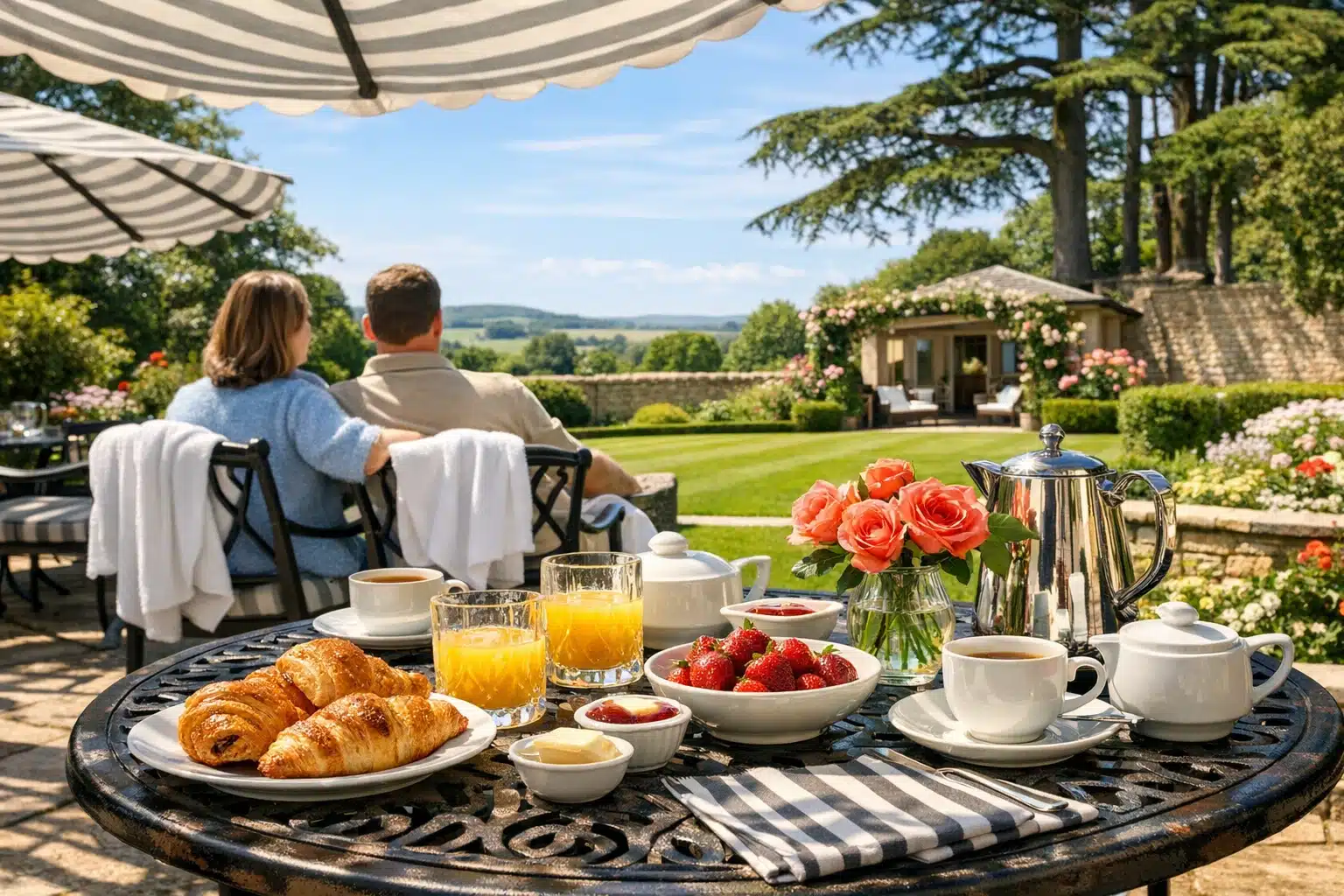
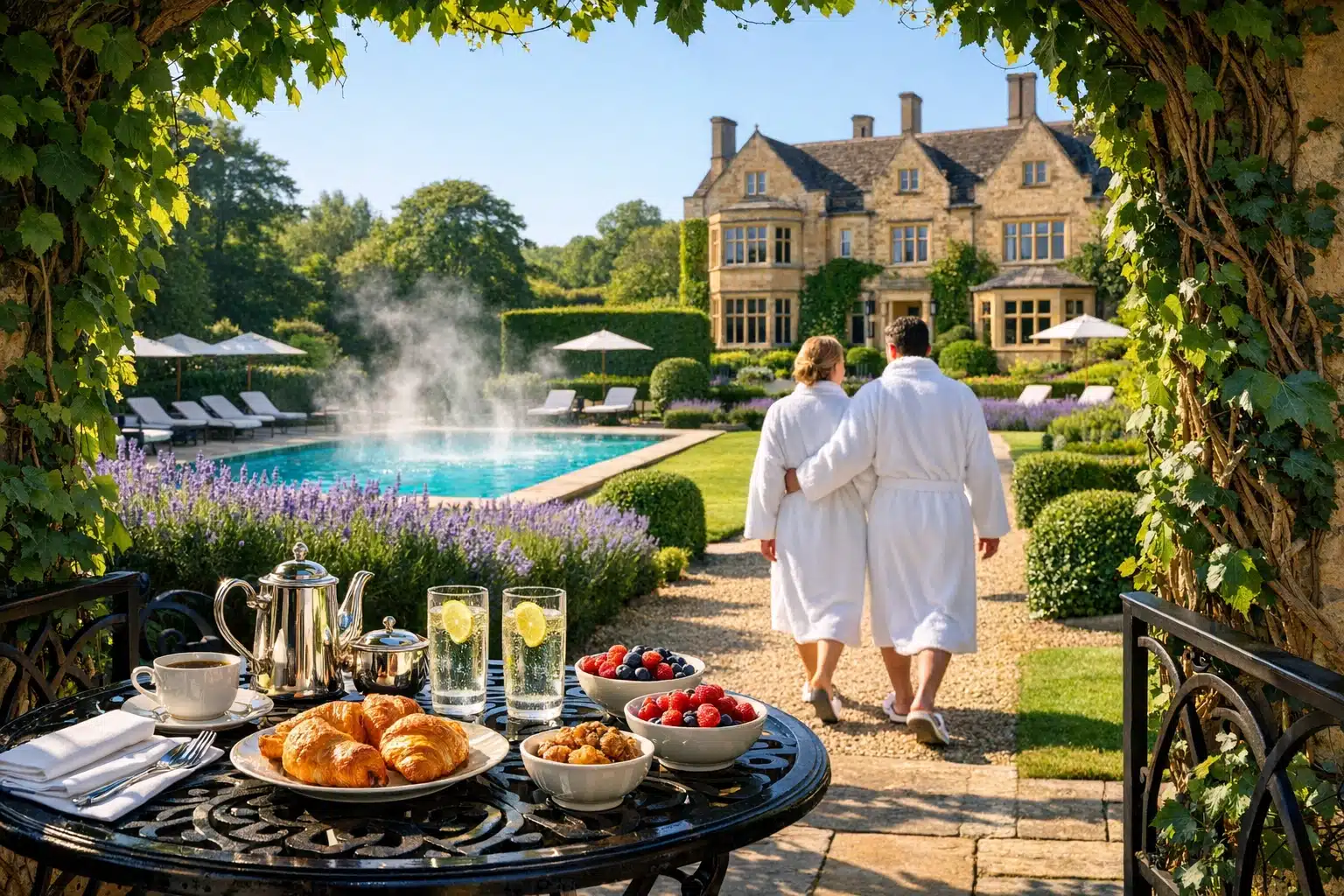
There is also a practical reason this format is so popular. Most spa hotels build their schedules around arrival afternoons and mid-stay treatment slots. If you book two nights, you are more likely to access the facilities at a relaxed pace instead of trying to compress everything into a narrow timetable. This matters because spa experiences are not only about treatments. The atmosphere counts too: robe-and-slipper breakfasts, quiet lounges, hydrotherapy pools, saunas, steam rooms, sleep pods, garden walks, and long dinners without any need to drive home afterward.
For couples, the emotional value can be just as important as the facilities. A two-night stay offers time for both togetherness and breathing room. One partner may enjoy a deep tissue massage while the other prefers a facial or a swim. Later, they meet again over lunch or a glass of sparkling water with lemon in a relaxation room that smells faintly of eucalyptus. That balance can make the trip feel personal rather than staged. Romance often grows in those unhurried gaps.
Typical package inclusions vary, but many properties bundle:
• accommodation for two nights
• breakfast on both mornings
• spa access from check-in until checkout or during fixed hours
• one treatment per person or a treatment credit
• robes, slippers, and towels
• dinner on one or both nights in selected packages
Another overlooked advantage is value. A two-night stay can lower the cost per hour of actual enjoyment because travel time is spread across a longer visit. If a couple spends two hours driving each way, that travel feels more worthwhile for a stay of forty-eight hours than for a quick overnight dash. In simple terms, two nights create enough room for comfort, conversation, and calm to develop naturally. That is why this format appeals not only to newlyweds or anniversary travelers, but also to parents needing a reset, long-term partners craving quiet, and busy professionals who want a short break that genuinely feels like one.
Prices, Package Types, and the Real Cost Behind the Headline Rate
The price of a romantic two-night spa break can vary dramatically, and the headline number rarely tells the whole story. In many UK and European destinations, an entry-level package for two may start around 350 to 500 in local equivalent currency for two nights, especially at a three-star or modest four-star hotel booked midweek. Mid-range packages often fall between 550 and 900 for two people, while luxury country house spas, destination wellness resorts, and high-demand weekend stays can easily move beyond 1,000 to 1,800 or more. None of these figures are fixed rules, but they provide a realistic starting point when couples begin comparing options.
Several factors shape the final price. Day of the week matters more than many first-time bookers expect. Friday and Saturday nights often cost substantially more than Sunday to Thursday stays because leisure demand is strongest at the weekend. Location also plays a big role. A spa hotel near a major city, in a famous countryside destination, or close to a coast or wine region usually charges a premium. Room type is another major lever. A standard double may include the same spa access as a suite, but the gap in price can be large once balconies, hot tubs, larger bathrooms, or scenic views are added.
Package structure matters just as much as room quality. Two deals can look similar online and still represent very different value. For example, one rate might include breakfast only, while another includes breakfast, dinner, and a 50-minute treatment per person. That difference can easily outweigh a lower room price. Couples should look at the total cost of the stay rather than the room rate alone.
A useful way to compare is to check:
• Are treatments included, discounted, or excluded?
• Is dinner part of the package, and if so, is there an allowance cap?
• Is spa access unlimited or restricted to a set time window?
• Are premium facilities such as hydrotherapy pools or outdoor vitality pools included?
• Are weekend supplements, parking fees, or service charges added later?
• Is there a couples treatment room, and does it cost extra?
There are also hidden costs that can quietly inflate a romantic break. Drinks at dinner, upgraded treatments, late checkout, private spa suites, and premium time slots all add up. On the other hand, some packages save money in less obvious ways. A half-board rate may be cheaper than dining independently at a remote resort where nearby restaurant options are limited. Midweek special offers can also be excellent value, especially for couples with flexible schedules.
In short, a smart booking is not always the cheapest one. The better question is whether the package matches the experience you actually want. If your ideal break includes a serene room, one high-quality treatment each, leisurely meals, and full spa access, then a slightly higher price may offer better value than a bare-bones deal that turns every pleasant detail into an extra charge.
Comparing Spa Break Styles: Country Retreats, City Hotels, Thermal Resorts, and Boutique Escapes
Not every romantic spa break feels the same, and choosing the right style is often more important than choosing the grandest property. Some couples picture a stone manor in the countryside with gardens, fireplaces, and a treatment menu inspired by local botanicals. Others want a sleek city hotel where a rooftop pool sits above busy streets and the evening includes cocktails, museums, or a theatre show before bedtime. The best option depends on personality, travel habits, and the mood the couple wants to create.
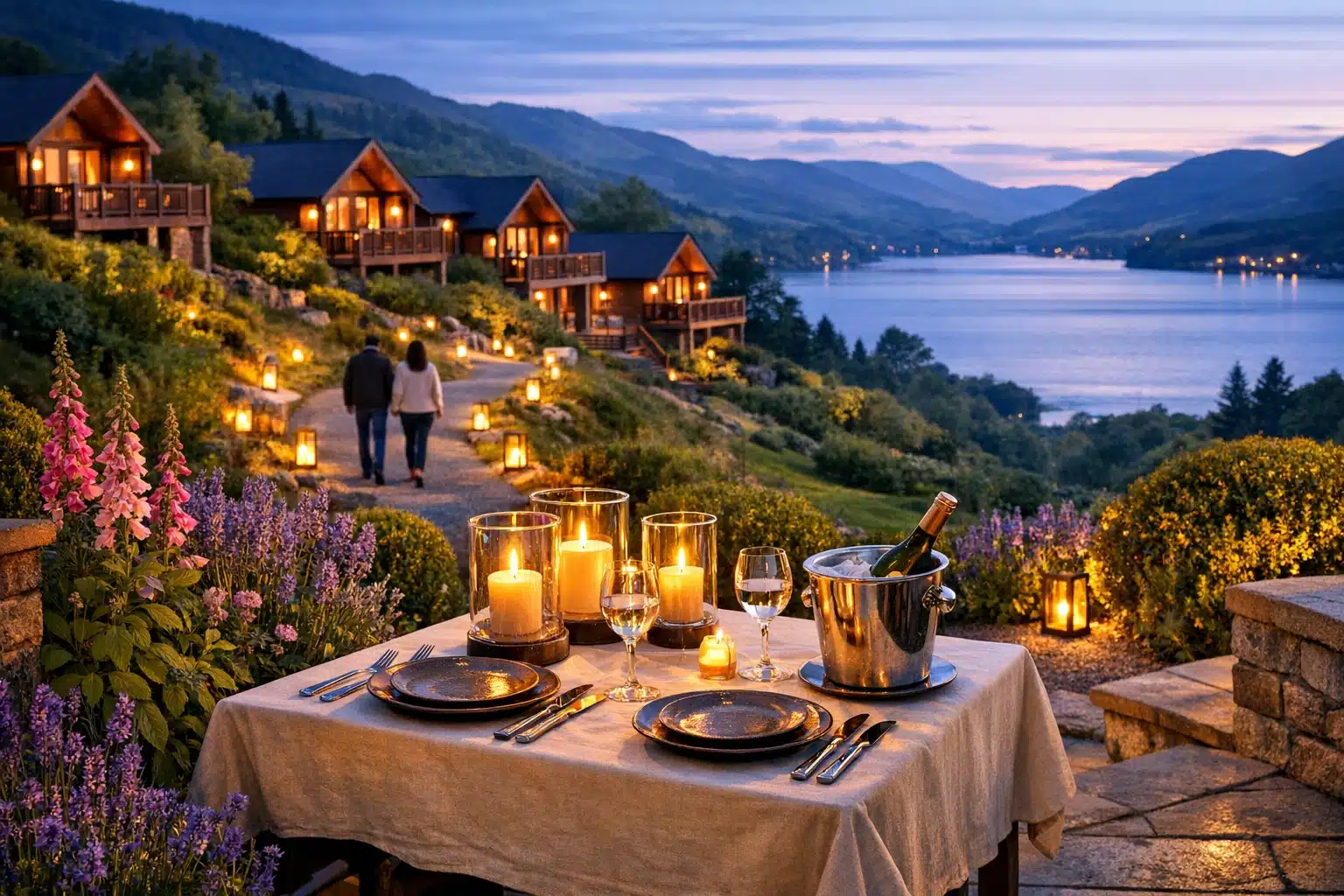
Country house and rural spa hotels are usually the classic choice for romance. They offer quiet, scenic surroundings and a natural sense of retreat. A longer dinner feels more special when there is nowhere urgent to be afterward, and even a simple walk before breakfast can feel cinematic in the right landscape. These properties often appeal to couples celebrating anniversaries or looking for a true escape from routine. The trade-off is that rural resorts can be more isolated, which means fewer off-site activities and sometimes higher food and drink prices.
City spa hotels suit couples who like to mix wellness with culture. A pair might start with a morning massage, spend the afternoon browsing galleries or historic streets, then return for the sauna before dinner. This format works well for shorter travel windows because city properties are often easier to reach by train or plane. The compromise is that the spa itself may be smaller. You may get a beautiful pool, steam room, and treatment area, but not the expansive gardens, thermal circuits, or all-day lounging spaces typical of a destination resort.
Thermal spa resorts and wellness-focused retreats offer yet another atmosphere. These properties often emphasize hydrotherapy, mineral pools, heat experiences, and longer wellness rituals rather than only beauty treatments. They can be particularly appealing to couples who care more about relaxation and health-focused routines than about formal romance. The mood is less candles-and-champagne, more slow breathing, warm water, and deep sleep. Boutique spa hotels, meanwhile, often deliver the most intimate feel. They may have fewer facilities, but higher attention to detail, quieter common areas, and more personalized service.
A practical comparison looks like this:
• Country retreat: best for privacy, scenery, and classic romance
• City spa hotel: best for convenience, dining variety, and combining spa time with sightseeing
• Thermal or wellness resort: best for serious relaxation and hydrotherapy lovers
• Boutique property: best for intimacy, style, and a more curated feel
• Large resort spa: best for facility range, multiple pools, and treatment choice
The ideal choice depends on the couple’s rhythm. If one partner wants long loungers and silence while the other gets restless without activities, a city-based spa may work better than a remote retreat. If both want stillness, a countryside hotel will likely feel more restorative. The most romantic setting is not universally the most expensive or the most famous. It is the one that supports how the two of you actually relax together.
How to Choose the Right Break and Avoid Common Booking Mistakes
Booking a spa break for two sounds easy until the options begin multiplying. Room categories, treatment times, dinner reservations, access policies, seasonal offers, and cancellation terms can turn a pleasant idea into a spreadsheet. The good news is that a few smart questions can narrow the field quickly. First, decide what matters most: luxury, value, food, privacy, travel convenience, or treatment quality. Couples often assume they need everything at once, but the most satisfying trips usually prioritize two or three key features and let the rest be secondary.
Start with the journey. For a two-night break, long travel can eat into the benefit of the stay. A property that is slightly less glamorous but only ninety minutes away may produce a better experience than a famous resort that requires a stressful five-hour trip. After that, examine the spa access policy. Some hotels advertise spa use but restrict it to a single three-hour window. Others allow access from arrival until departure. That difference shapes the whole pace of the break.
Treatments deserve careful thought too. Not every couple wants the same thing. One person may love a strong massage, while the other prefers a gentler facial or reflexology session. Check whether the package offers a fixed treatment or a monetary credit that can be applied more flexibly. Also ask about couples treatment rooms if sharing the experience matters to you. Some hotels promote them heavily, but availability can be limited and often must be reserved well in advance.
Useful booking tips include:
• Compare the direct hotel website with reputable travel platforms, because perks may differ
• Read recent reviews about cleanliness, staff responsiveness, food quality, and crowd levels
• Confirm whether dinner reservations are automatic or need separate booking
• Check pool and thermal area opening times, especially on arrival and departure days
• Ask about quiet hours, adult-only zones, and any refurbishment work
• Look at the treatment menu before booking so there are no surprises later
For couples trying to keep costs sensible, timing is powerful. Midweek stays usually offer the best rates and quieter facilities. Shoulder seasons, such as early spring or late autumn, can also be ideal because spas feel cozy while prices may sit below summer peak levels. If you want to add romance without spending heavily, small touches often do more than expensive upgrades. A room with a good bath, a late checkout, a reserved dinner time, or a packed playlist for the drive can shape the mood more effectively than ordering every premium extra on the menu.
Finally, keep expectations realistic. A spa break is not a magic cure for relationship stress, but it can create better conditions for rest and connection. Choose a place that fits your budget comfortably, gives you enough unstructured time, and matches the kind of intimacy you both enjoy, whether that means candlelit elegance, casual warmth, or simply reading side by side in fluffy robes while rain taps softly against the windows.
Planning the Perfect 2-Night Rhythm for Romance, Rest, and Better Value
The most successful two-night spa breaks are not packed minute by minute. They have a rhythm. That rhythm matters because relaxation is often disrupted not by poor facilities, but by overplanning. Couples sometimes arrive with a holiday mentality and try to fit in every treatment, every lounge, every photo-worthy corner, and every restaurant upgrade. The result can feel oddly busy. A better approach is to let the stay unfold in stages, with enough structure to feel special and enough space to feel effortless.
A simple romantic pattern works well. On day one, travel early enough to avoid a rushed arrival. Check in, change into robes, and spend the afternoon exploring the spa together without any pressure to do everything. Use the hydrotherapy pool, sit in the sauna, and settle into the environment. Save the evening for a good dinner and an unhurried night. On day two, schedule treatments late morning or early afternoon, when you are already relaxed but not yet thinking about departure. Leave part of the afternoon empty. That blank space is often where the best moments happen: coffee in the lounge, a nap, a swim at dusk, or a long conversation that drifts without agenda.
For different kinds of couples, the ideal version may look different:
• Busy parents may value sleep, late breakfast, and minimal scheduling
• Newly dating couples may prefer a boutique hotel with stylish dining and nearby activities
• Long-term partners often appreciate comfort, privacy, and practical value over flashy extras
• Wellness-focused pairs may want thermal circuits, movement classes, and healthy menus
• Celebration trips may justify a suite, tasting menu, or private bathing experience
Budget also shapes the rhythm, but not always negatively. A modest break can feel deeply romantic when the essentials are right: comfortable room, clean spa, quality treatment, and calm atmosphere. Spending more becomes worthwhile when it genuinely improves the experience, such as gaining access to better facilities, more spacious accommodation, or exceptional dining. It is less worthwhile when the upgrade is mainly cosmetic. Couples should ask themselves what they will actually remember six months later. Usually it is not the branded bathroom products or the gold-trimmed hallway. It is the feeling of finally exhaling together.
For the target audience of couples considering a short, meaningful escape, the core lesson is simple. A two-night spa break offers one of the most balanced ways to combine romance, comfort, and value without committing to a full holiday budget. The best choice depends on your pace, your priorities, and how you like to spend time together. If you compare packages carefully, choose a setting that suits your shared style, and leave room for spontaneity, this kind of getaway can feel both indulgent and sensible. Sometimes the most memorable luxury is not excess at all, but two quiet nights in which nothing important is demanded except being present with each other.