2-Night Cotswolds Spa Retreat for Couples: Prices, Options and Tips
A two-night spa retreat in the Cotswolds gives couples something many short breaks miss: enough time to switch off properly without needing a full week away. Between honey-coloured villages, manor-house hotels, and modern wellness spaces, the region suits anniversaries, surprise getaways, and ordinary weekends that deserve a gentler pace. This guide explains why the format works so well, what prices usually look like, which retreat styles to compare, and how to book a stay that feels calm, good value, and genuinely restorative.
Outline
- Why two nights often work better than a one-night escape
- Typical price ranges and what is usually included in couples’ packages
- How to compare spa hotels, boutique inns, and country house retreats
- Ways to shape a satisfying itinerary without overloading the schedule
- Booking advice, seasonal considerations, and a final guide for couples
Why a 2-Night Retreat Often Works Better Than a Quick Overnight Stay
For many couples, the real luxury of a spa break is not simply the massage, the pool, or the robe waiting on the bed. It is time. That is exactly why a two-night stay tends to feel far more worthwhile than a one-night escape. With a single overnight, much of the trip can vanish into check-in queues, travel delays, dinner timings, and the mild pressure to make every minute count. By contrast, two nights create breathing room. You arrive, settle in, and still have the following day to enjoy the spa, explore the countryside, and eat without watching the clock.
The Cotswolds is especially well suited to this format because the region itself invites a slower rhythm. Spread across roughly 800 square miles of protected landscape, it is not just one village or one resort cluster. Couples may stay near Broadway, Burford, Tetbury, Moreton-in-Marsh, or Cheltenham and still want time for a scenic drive, a market-town stroll, or a long lunch in a village pub. A rushed visit can make such pleasures feel like tasks. A two-night retreat lets them remain what they should be: part of the atmosphere.
There is also a practical reason this length works so well. Spa hotels often operate with fixed treatment slots, adult-only swim hours, restaurant reservation windows, and check-out times that can make a short trip feel compressed. If a treatment is scheduled late on your arrival day, much of the break may already be spoken for. With two nights, the structure is more forgiving.
- The first evening can be used for unwinding instead of rushing.
- The full middle day becomes the natural place for treatments and leisure time.
- The final morning still leaves space for breakfast, a swim, or a short walk nearby.
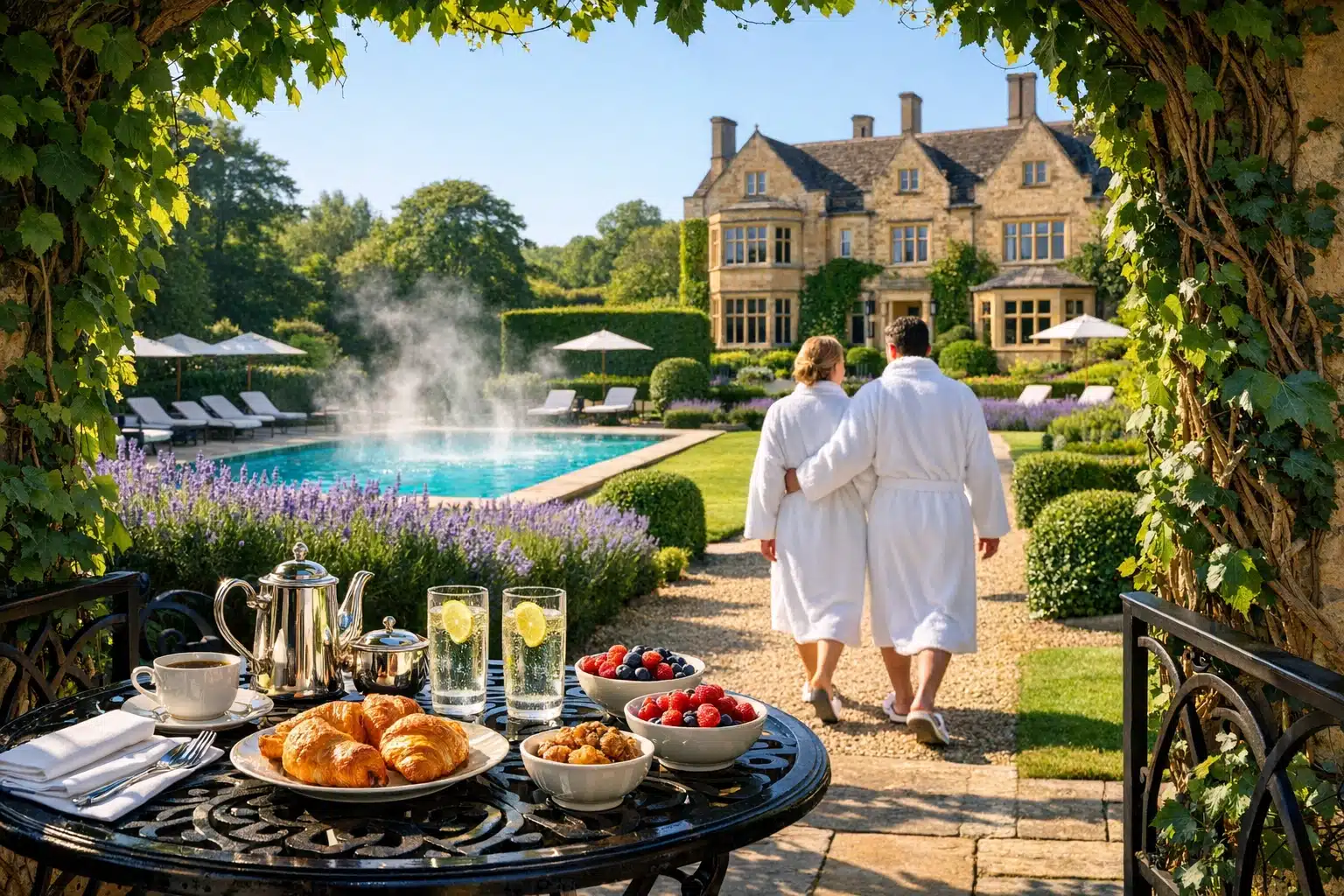
Compared with a three-night stay, two nights also hit a useful middle ground for many working couples. It usually requires fewer holiday days, keeps travel costs contained, and still allows the psychological shift that people often want from a wellness break. The effect can be surprisingly strong. After one evening of slowing down and one full day of quiet routine, the mind begins to loosen its grip on emails, errands, and small domestic chores. Steam drifts above an outdoor pool, church bells sound from a distant village, and suddenly the weekend seems longer than it is. That sense of spaciousness is the real reason this trip length remains so appealing.
Typical Prices, Package Structures, and What Couples Usually Get for the Money
Price is usually the first planning question, and rightly so, because a “spa retreat” can mean very different things depending on the property. As a broad guide, couples booking a two-night stay in the Cotswolds will often see lower-end weekday offers from around £350 to £550 in total, especially at smaller hotels with limited spa access or basic wellness facilities. Mid-range spa hotels commonly fall between £550 and £900 for two people, while luxury manor houses and higher-end resorts may sit between £900 and £1,800 or more, particularly on popular weekends, bank holidays, and peak summer dates.
What explains the spread? In most cases, the room itself is only one part of the price. Packages vary according to dining inclusion, treatment length, spa access, and the quality of the setting. A breakfast-only rate may look attractive at first glance, but once dinner, drinks, and treatment add-ons are counted, it can end up costing more than a half-board offer with extras built in. Equally, a hotel advertising a spa break may only include pool access and robe hire, while another property at a higher headline price includes a 50-minute treatment per guest and dinner on both nights.
When comparing options, check for the details behind the headline rate. Common inclusions are:
- Accommodation for two nights in a standard room
- Daily breakfast
- Spa access on one or both days
- One treatment each, often 25 or 50 minutes
- Dinner allowance or fixed-menu dining on one evening
- Use of robes, towels, and slippers
It is also worth watching for hidden extras. Treatment “credit” may not cover the therapies most couples actually want. A £30 or £50 allowance can still leave a supplement to pay for longer massages or premium facials. Restaurant credit may sound generous but may only stretch to two courses if the hotel leans fine dining. Some properties include check-out-day spa access; others restrict it unless you pay more.
Midweek stays often offer the strongest value. It is common to see Monday-to-Thursday packages priced noticeably below Friday and Saturday nights, sometimes by 15 to 30 percent depending on the property and season. For couples with flexibility, that difference can mean upgrading from a standard room to a superior room or adding treatments without spending more overall. In simple terms, the best value usually comes not from the cheapest rate but from the package that includes the parts of the experience you would otherwise buy separately.
Choosing Between Country House Hotels, Boutique Inns, and Larger Spa Resorts
Not every Cotswolds spa stay delivers the same mood, and that matters just as much as the price. Some couples want candlelit dining in a manor house with just a handful of treatment rooms. Others prefer a larger spa resort with a full thermal suite, fitness classes, and indoor-outdoor pools. The smartest choice depends on what you want the break to feel like when you remember it later.
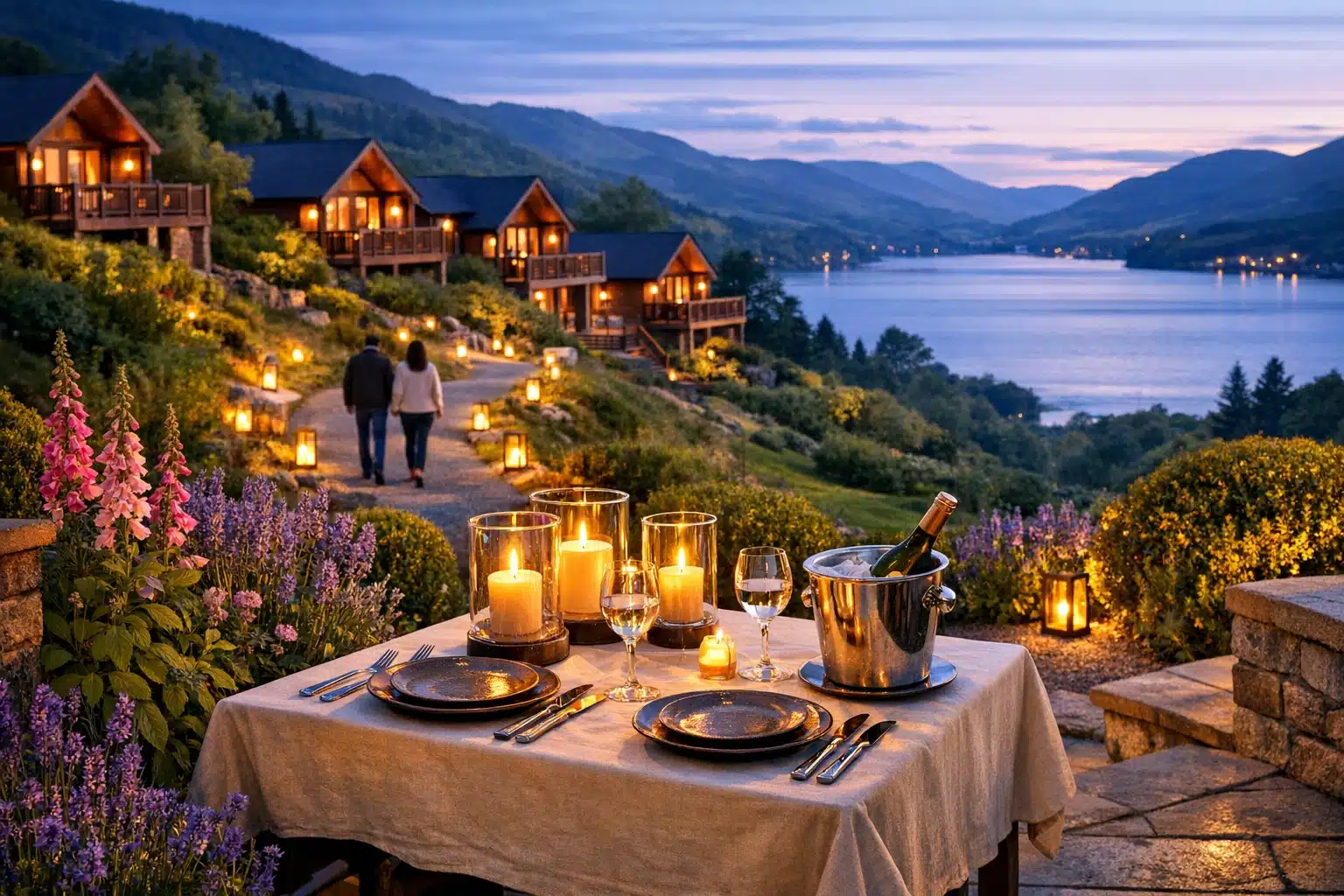
A country house hotel usually offers the most romantic setting. These properties often lean into landscaped grounds, period architecture, polished service, and quieter communal areas. They suit couples who want the retreat itself to be the destination. The trade-off is that the spa can sometimes be smaller than the photographs suggest. You may get beautiful surroundings and excellent food, but fewer wet facilities than at a bigger leisure-led property. If your ideal trip centres on atmosphere, privacy, and dinner as an event, this style often works beautifully.
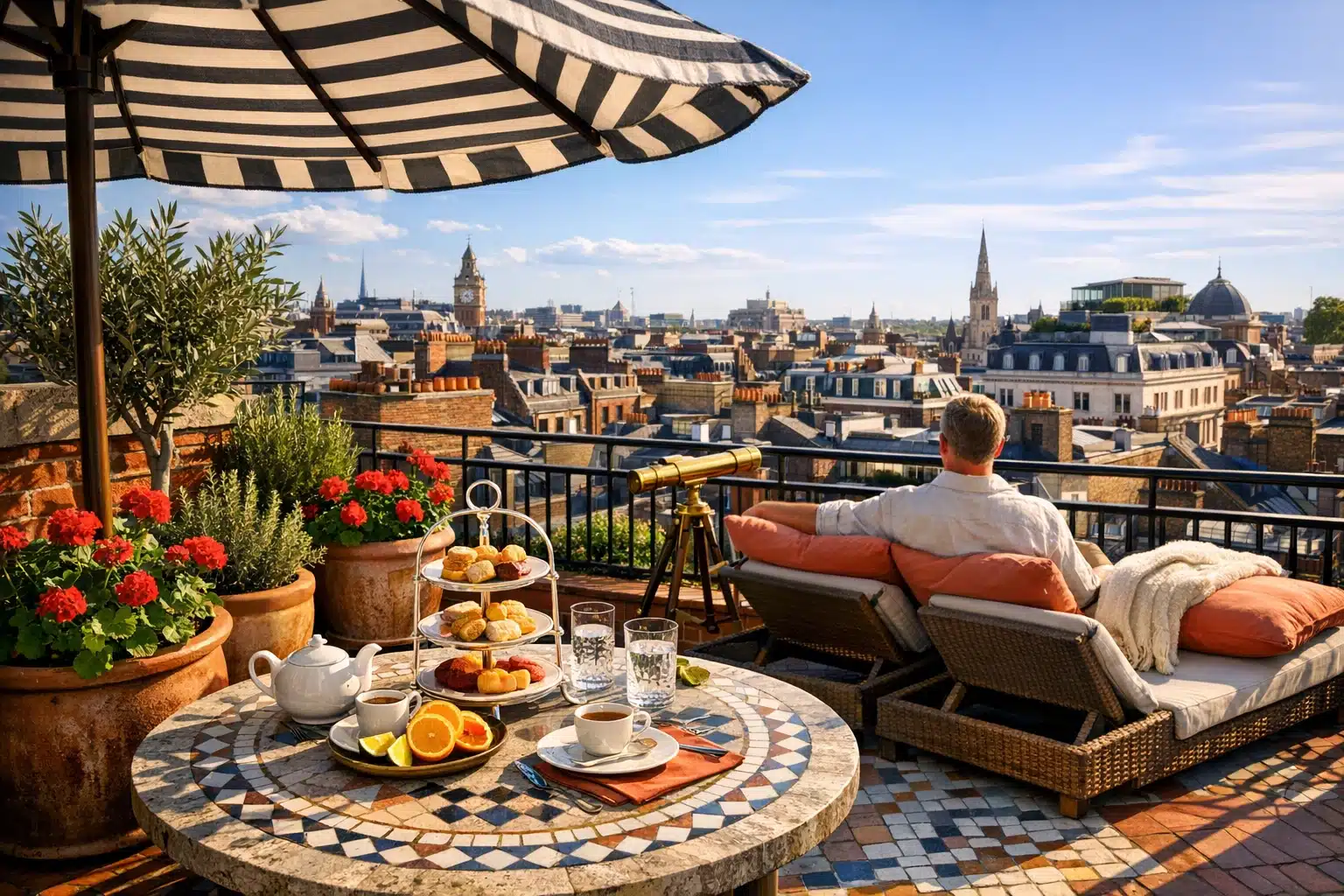
Boutique inns and smaller hotels with spa access can be another strong option, particularly in well-loved villages and market towns. They may not have the grand scale of a manor hotel, but they can feel more personal and less formal. A stylish room above a village restaurant, paired with access to treatment rooms or a nearby spa partner, may suit couples who want to spend more time exploring local streets, antique shops, walking paths, and independent cafés. This option often makes sense in places such as Burford, Broadway, or Stow-on-the-Wold, where the surrounding area is part of the appeal.
Larger spa resorts bring a different kind of value. They are often better if your priority is facilities rather than ambience alone. You may find:
- Hydrotherapy pools and thermal circuits
- Saunas, steam rooms, and relaxation lounges
- Couples’ treatment rooms
- Longer opening hours for the spa area
- Fitness studios and wellness classes
The compromise can be scale. A busy resort may feel livelier, and at peak times it may be less intimate than a small country retreat. That is not necessarily a problem; some couples enjoy having more to do and more space to spread out. The key is to match the hotel style to the purpose of the trip. For an anniversary or quiet reconnection, a smaller property can feel more special. For a practical “switch off and enjoy the facilities” weekend, a larger resort may be the better fit. The best booking choice is not the one with the fanciest website, but the one whose pace matches your own.
How to Build a Memorable 2-Night Itinerary Without Making It Feel Overplanned
The finest spa breaks have structure, but they do not feel scheduled to the minute. That is especially true in the Cotswolds, where part of the charm lies in leaving space for weather, appetite, and impulse. A good two-night itinerary should create a clear flow: arrival and decompression, one full day of enjoyment, and a final morning that ends gently rather than abruptly.
On the first day, aim to arrive early enough to experience the setting before dinner. Even if your room is not ready, many hotels will store bags so you can start with coffee, a light lunch, or a first session in the pool. This is a smart time for low-effort pleasures rather than a full treatment. A swim, a steam room, and a brief walk around the grounds can act as a transition from ordinary life to retreat mode. By evening, dinner becomes the anchor of the day. If the property has a stronger restaurant reputation, book the later seating and allow the meal to be part of the occasion rather than just something fitted in.
The middle day is the heart of the trip. In most cases, this is the best slot for treatments, but timing matters. A morning massage can set a calm tone for the rest of the day, while an afternoon treatment allows time for a village visit or countryside stroll first. Couples often enjoy a mixed rhythm rather than wall-to-wall spa time. For example:
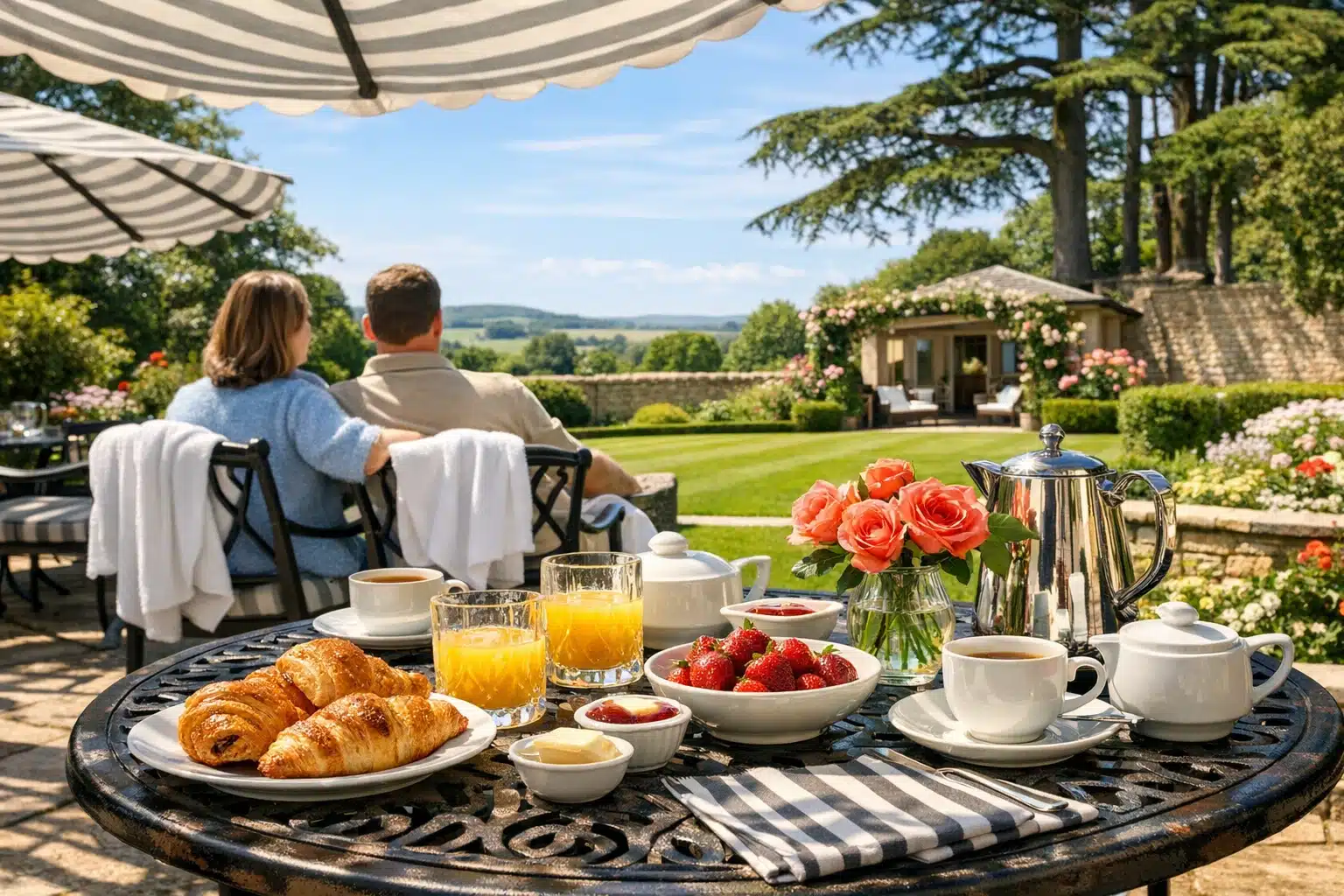
- Breakfast at leisure rather than rushing to the first treatment slot
- A late-morning massage or facial for each guest
- Lunch in the hotel or a nearby pub
- A short drive to one village or garden, not three or four
- Return to the spa before dinner for an unrushed swim
This balance usually works better than trying to “see the whole Cotswolds” in one weekend. The region rewards selectiveness. One market town, one scenic route, and one excellent meal will often leave a stronger impression than a frantic loop through multiple hotspots.
On the departure day, keep the final hours light. If the hotel offers check-out-day spa access, use it. If not, plan a final breakfast and a nearby stop on the drive home. That might be a farm shop, a gentle walk, or a detour through a village with broad stone high streets and old coaching inns. The goal is simple: do not let the weekend end in a queue at reception and a motorway service sandwich. A good itinerary leaves the retreat feeling complete, not abruptly cut short.
Booking Tips and Final Thoughts for Couples
Once you know your budget and preferred hotel style, the final stage is making the booking intelligently. This is where many couples either save money or unknowingly pay more for a package that does not really suit them. Start with dates. If flexibility is possible, midweek stays usually deliver better value and a quieter atmosphere. Friday and Saturday nights naturally attract anniversary trips, special occasions, and leisure demand, which raises prices and sometimes reduces the sense of calm around shared spa areas. Winter can bring cosy value, especially in manor-house properties with fireplaces and hearty dining, while late spring and early autumn often strike the best balance between scenery, weather, and manageable crowds.
Before confirming, ask direct questions rather than relying only on package wording. The most useful ones include:
- Is spa access included on both full days or only once?
- Are treatments fixed, or can they be changed to another option?
- Does the dinner allowance realistically cover a full meal?
- Are there adult-only hours in the pool or thermal suite?
- Can we use the spa after check-out?
- Is there a supplement for weekend treatment slots or upgraded rooms?
Room choice also matters more than couples sometimes expect. If the retreat is meant to feel special, the cheapest room category may not be the wisest move, especially in older buildings where layouts vary. A garden room, larger suite, or room with a bath can change the rhythm of the stay, particularly if the weather turns and you spend more time indoors. On the other hand, if the spa facilities and local exploring are the real focus, a standard room may be perfectly sensible.
One final tip: resist overbooking treatments. More is not always more. One excellent treatment each, paired with unhurried time in the spa and one memorable dinner, often creates a better experience than stacking the itinerary with extras. The point of a couples’ retreat is not to complete a checklist but to leave feeling lighter than when you arrived.
For couples considering a two-night Cotswolds spa break, the best approach is to match the stay to the occasion. Choose a smaller country house if romance and quiet matter most. Pick a larger resort if facilities and flexibility are the priority. Compare packages carefully, travel on less in-demand dates if you can, and leave space in the schedule for wandering as well as wellness. Done well, this kind of short escape can feel far bigger than its calendar footprint, offering a rare combination of comfort, scenery, and real rest.